
Trump's bid to control US Fed might lead to 'fiscal dominance' — and that's not good news
“We have a fiscal problem,” Romer said. “If we don’t solve it, that will create problems for everybody, including the Fed.”
Jan. 6 2026, Published 8:39 a.m. ET

Experts have earlier warned that the independence of the Federal Reserve should not be hampered to maintain the overall health of the economy. But Trump's attempts at exerting more influence on the central bank have been in the news since the presidential polls, when he once hinted that as president, he would want to have a say in the US Fed's decisions. According to CNBC, he said, “I feel the president should have at least a say in there. Yeah, I feel that strongly. I think that in my case, I made a lot of money, I was very successful, and I think I have a better instinct than, in many cases, people that would be on the Federal Reserve or the chairman.”
Earlier this month, he even went on to threaten Federal Reserve Chair Jerome Powell with a lawsuit for gross incompetence during renovations, as per Reuters. As the President is set to announce a new leader for the central bank, his moves to tighten a grip on the institution could lead to fiscal dominance and a bigger crisis.
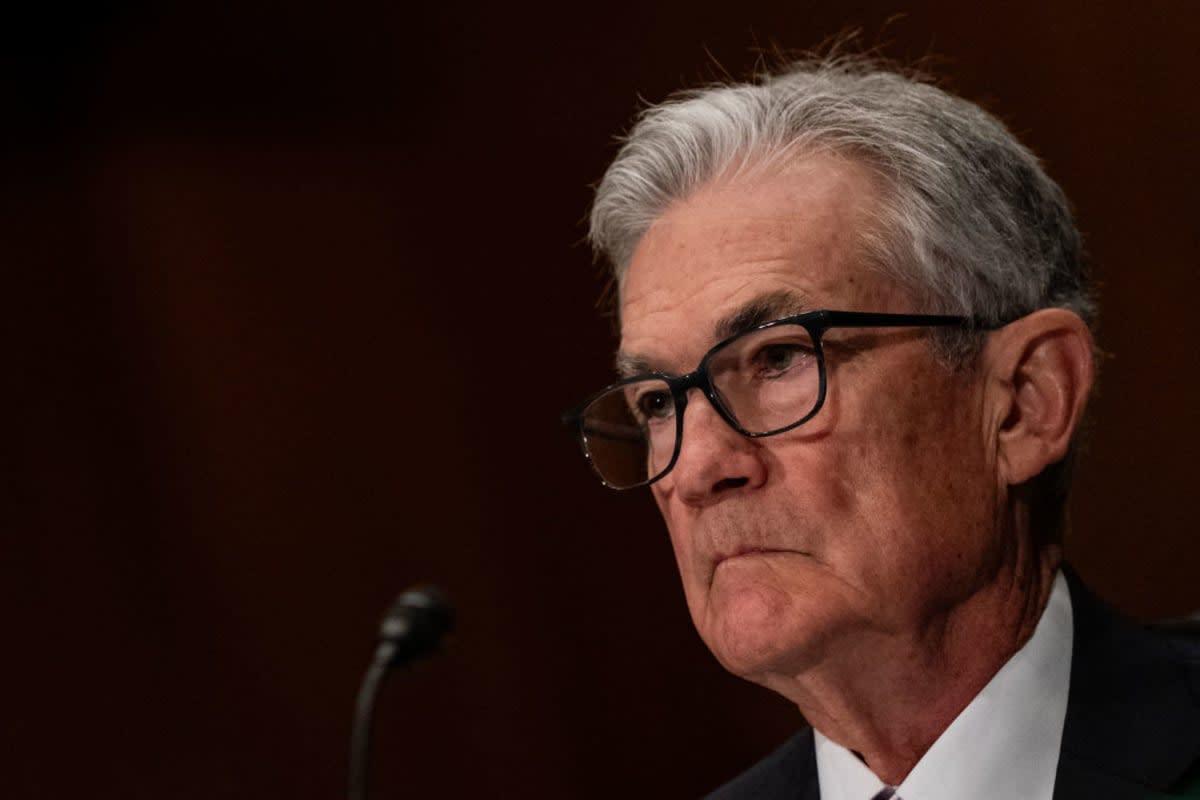
When a government's large debt and deficits force the central bank to put the government's solvency ahead of inflation control, monetary policy becomes fiscal domination. As a result, the central bank's independence is weakened, and its priorities are shifted from preserving price stability to helping the government manage its debt, which might lead to higher inflation or a debt crisis.
As of late 2025, the U.S. national debt was more than $38 trillion, and by early 2026, it is expected to surpass $39 trillion. Because interest payments on the debt account for a sizable portion of federal revenue, this increase is ascribed to increased spending and higher interest rates, raising grave concerns.
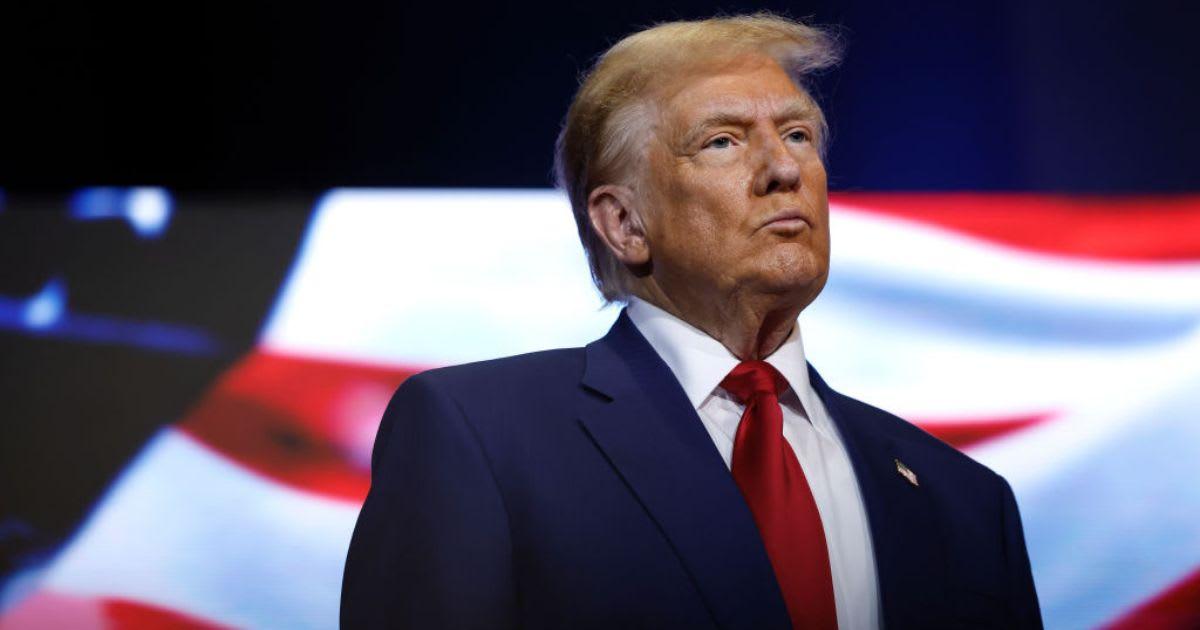
Economist David Romer has also voiced doubts about the possibility of averting a "fiscal catastrophe." The idea of fiscal dominance, which involves maintaining low interest rates to facilitate debt servicing, which may worsen inflation, was used by a panel of academics to underline the serious threat that growing federal debt poses to the US economy.
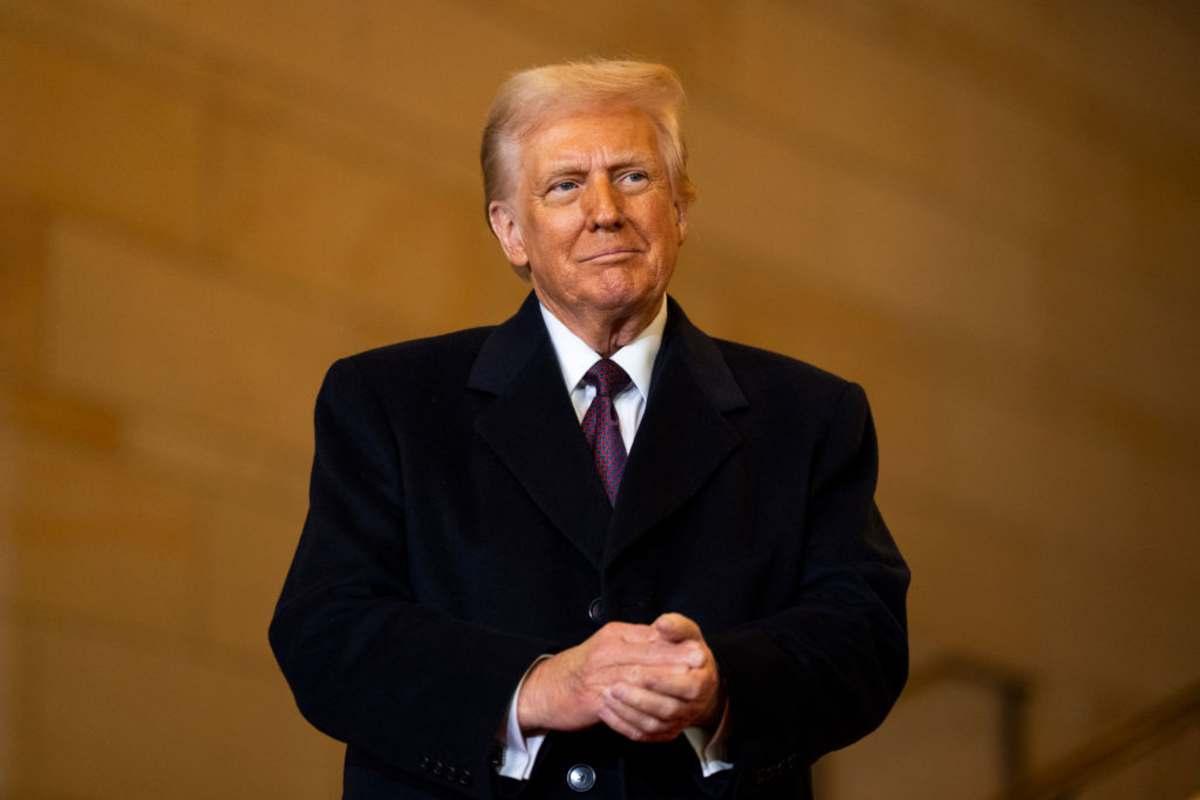
“We have a fiscal problem,” Romer said, before adding, “If we don’t solve it, that will create problems for everybody, including the Fed.” Loretta Mester pointed out that Trump administration officials might not be aware of how serious the debt issue is, in contrast to previous administrations, which were cognizant of their precarious circumstances.
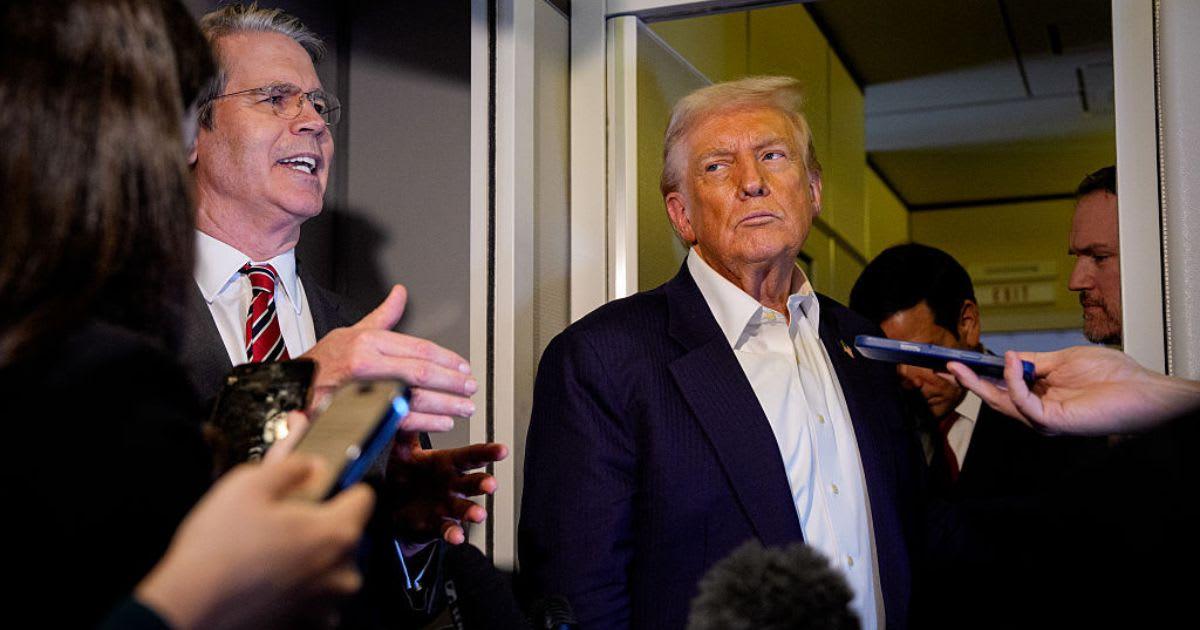
Meanwhile, according to Treasury Secretary Scott Bessent's post on X, a recent review by Treasury Department personnel showcased that the cumulative deficit from April to September was $468 billion, the lowest amount since 2019. "During his first eight months in office, President Trump has reduced the deficit by $350 billion compared to the same period in 2024 by cutting spending and boosting revenue," White House spokesman Kush Desai stated, adding that the administration is taking close steps to tackle the issue.
More on Market Realist: