Key 401(k) changes in 2026 that Americans preparing for retirement shouldn’t ignore

Among things set to change with the new year, 401(k) retirement savings plans will also look different, and the beneficiaries should take notice. Changes include a major shift in taxation and a higher cap on contributions. According to certified financial planner Juan Ros of the Arizona-based Forum Financial Management, the people who will be most affected by these changes are those who earn high incomes.

For those who might be unfamiliar with the scheme, the 401(k) is an employer-sponsored retirement savings plan that employees can use to save and invest a part of their income to withdraw post-retirement on a tax-deferred basis. These funds are not taxed, unless they are being withdrawn, and can be invested in diverse ways. The best part is that even a beneficiary’s employer can contribute to this fund, which would obviously be a massive morale booster.
However, as 2025 will come to an end, changes to this plan are on the cards. They will also come during a time of economic uncertainty, triggered by rising inflation, a volatile stock market, and the policies of the administration in power. The public has been wary of late about their personal finances thanks to these elements.

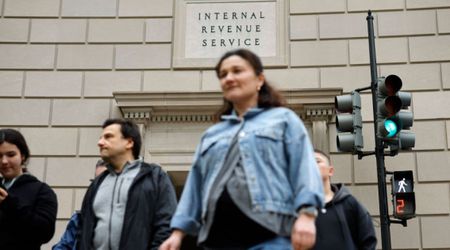
According to a report in CNBC, beneficiaries can now deposit more money into their 401(k). The employee deferral limit will be $24,500 from 2026, which is a thousand bucks more than the $23,500 in 2025. This change was announced by the IRS in November, as per the report.
For those aged 50 or older, the catch-up contribution will increase from $7,500 to $8,000. However, the super catch-up contribution for beneficiaries in the age bracket of 60 to 63 will remain at $11,250. “These increases matter because they help retirement savers keep pace with rising incomes and inflation while reducing taxable income in high-earning years,” said CFP André Small.
Next up is the matter of taxation. As mentioned above, the money in a 401(k) can be invested tax-free until the beneficiary has retired and has decided to withdraw the amount. But there are certain tax breaks. Catch-up contributions for investors age 50 and older can be traditional pretax or after-tax Roth, but this will not be the case in 2026. The CNBC report states that catch-up contributions starting from 2026 generally must be after-tax Roth if one has earned more than $150,000 from their current employer in 2025.

The pretax contributions provided an upfront tax break, but investors need to pay income tax upon withdrawal anyway. In that sense, they’ll have to pay tax just once with the new rule. However, this also means that the one-time tax payment would be higher than what these investors used to pay earlier.
More on Market Realist:
A huge number of millionaires in the US still don't see themselves as rich, study reveals
Finance expert says $100,000 salary isn't a 'big deal' anymore in 2025 — and people aren’t having it
Government Car Insurance For Low Income: Here's How To Find Free Help & Payment Assistance Options