
The US economy grew faster in the third quarter — and most economists didn't see that coming
Increased consumer spending, exports, government expenditure, and investment drove the U.S. economy's 2.5% annualized growth rate.
Jan. 23 2026, Published 3:33 a.m. ET

Rising grocery prices and a full-blown affordability crisis should've discouraged Americans from shopping more, but they did the opposite, and the U.S. economy grew at its quickest rate in two years because of robust consumer spending. The Commerce Department reported a 4.4% annual increase in GDP for the third quarter. With this, it surged past both the initial projection of 4.3% growth and the 3.8% growth from the previous quarter. Since the third quarter of 2023, the economy's growth rate has not increased much, Fox News Digital reported.
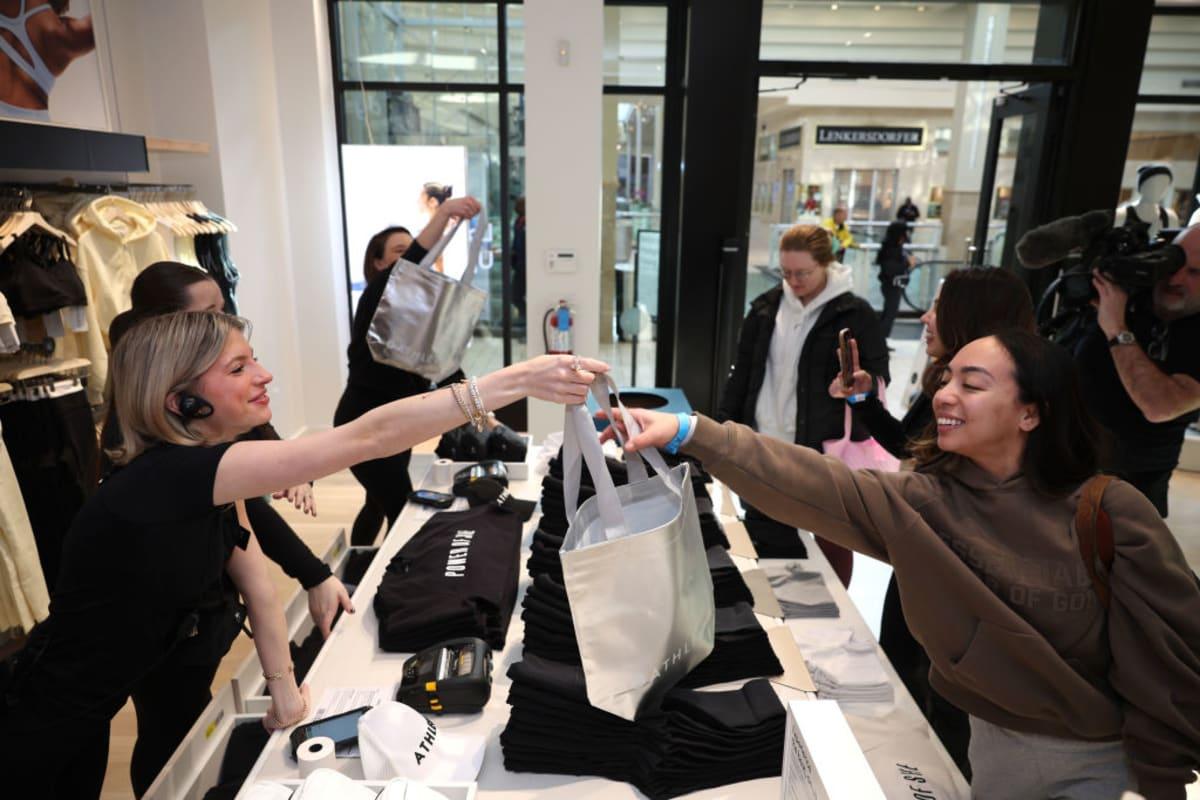
For the third quarter of 2025, the Bureau of Economic Analysis (BEA) reported that the final GDP growth rate of 4.4% was higher than the 3.3% that economists had predicted. Furthermore, after contracting by 0.6% in the first quarter, real GDP increased by 3.8% in the second. Increased consumer spending, exports, government expenditure, and investment drove the U.S. economy's 2.5% annualized growth rate for the first three quarters of 2025. The study further indicated that imports declined in the third quarter. The BEA said, "Compared to the second quarter, the acceleration in real GDP in the third quarter reflected upturns in investment, exports, and government spending, as well as an acceleration in consumer spending. Imports decreased less in the third quarter than in the second."
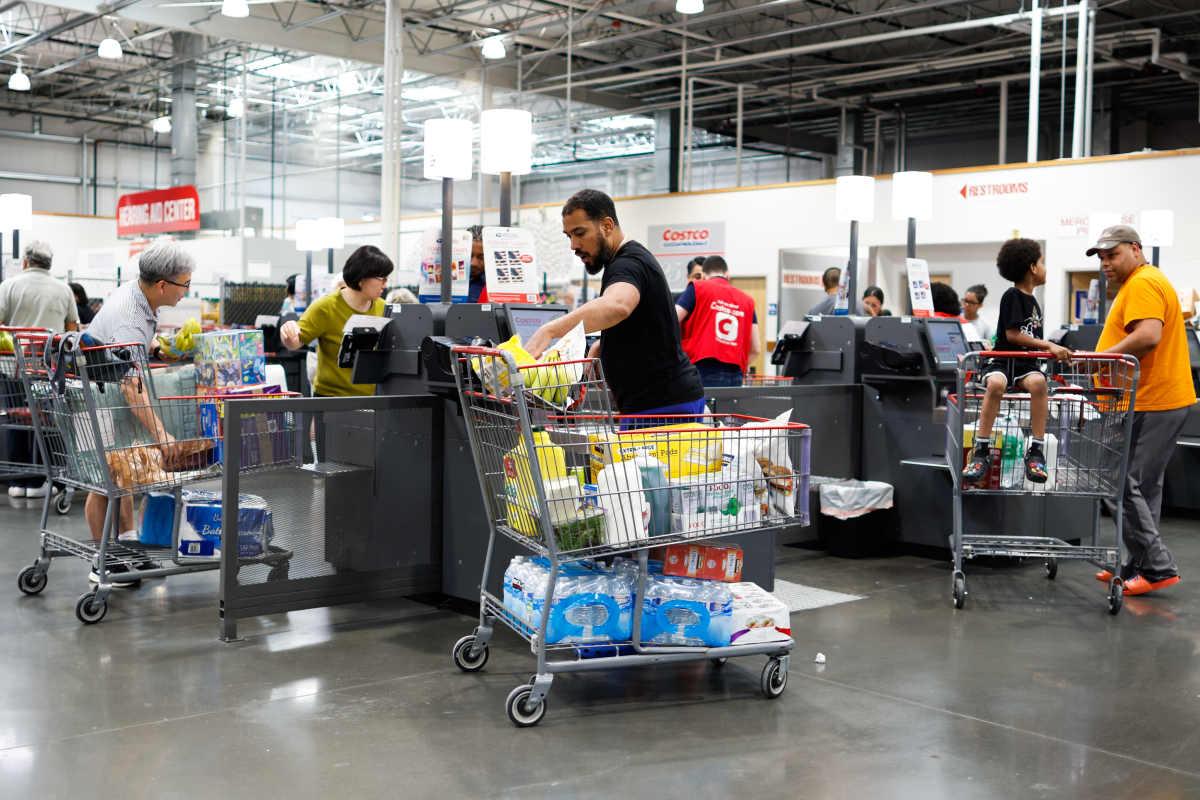
Gregory Daco, chief economist at EY-Parthenon, gave credit to resilient consumer spending, significant investments in AI and equipment, a boost from net international trade, and a recovery in federal government spending for the company's excellent GDP growth. He said that rising tariffs, decreased net migration, and uncertainty about the Federal Reserve's rate policy are making the economy adjust rather than overheat or halt. Daco predicted that real GDP will increase by 3.2% in Q4 2025, with an average growth rate of 2.3% for the full year.

Trading View reported that household expenditure, which accounts for around 70% of economic activity, went up by 3.5% during the quarter. While spending on commodities increased by 3%, spending on services jumped by 3.6%. Notably, purchases of durable goods such as automobiles and appliances saw a slight increase of 1.6%, suggesting that consumers are cautious when making large purchases.

However, Americans have expressed discontent with the economy despite positive growth statistics, especially in light of the high cost of living. This discrepancy might point to a "K-shaped economy," in which lower-income families deal with stagnant earnings and rising costs while wealthier households profit from increased revenues. With only 28,000 new positions added each month since March, as opposed to 400,000 during the post-COVID hiring surge, the job market seems worse. Nonetheless, a 4.4% unemployment rate indicates that businesses are holding onto their current staff while being reluctant to bring on new hires, AP News reported.
More on Market Realist: