
Stores Are Calling Shoplifting a National Crisis, How Bad Is It Really?
Retailers claimed that organized retail crime which involves theft of merchandise with the intent to resell the stolen items is a growing threat
Dec. 21 2023, Published 5:38 a.m. ET

This holiday season, there has been much noise around the shoplifting crisis in the United States. While items like toothpaste and deodorant remain locked up at stores, videos of people smashing store windows and stealing items continue to surface on social media almost every day. However, as per reports, the shoplifting menace may not be as bad as it seems.
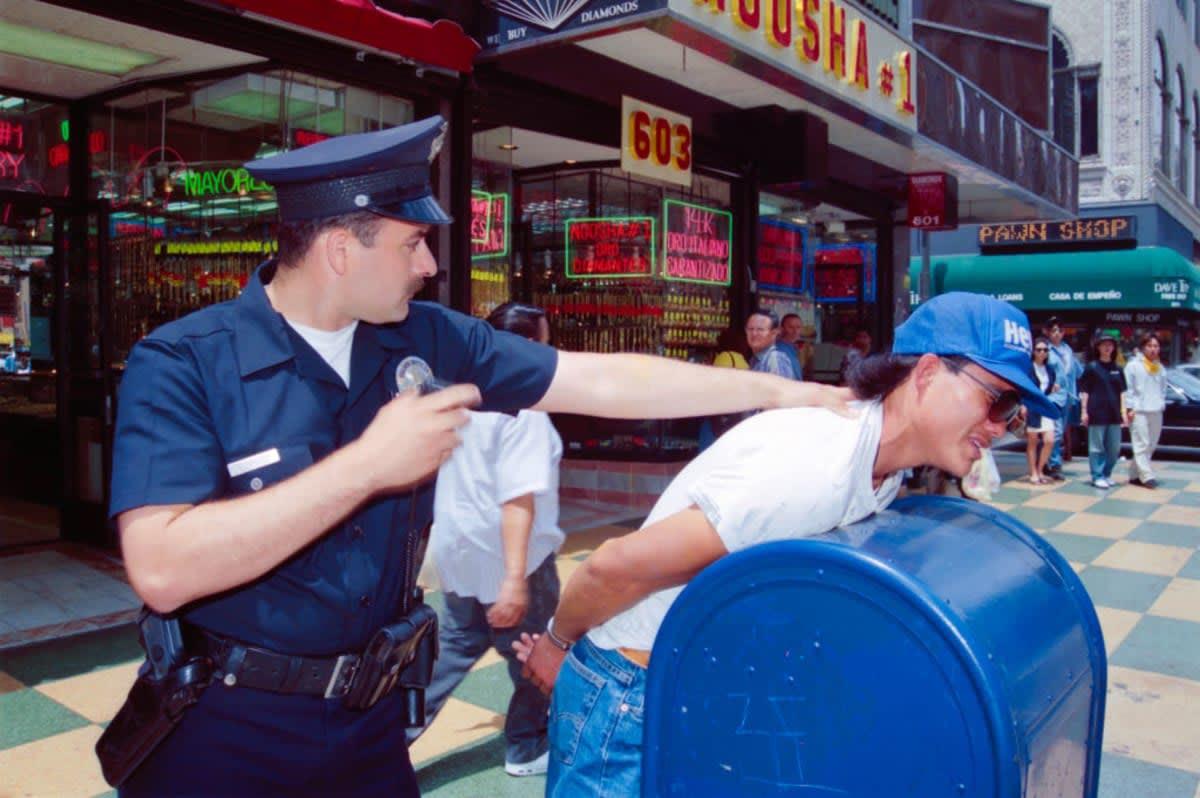
The Hype Over Shoplifting
Several media outlets and retail companies are calling theft a national crisis. As per a CNN report, retailers reported that merchandise losses increased by 19% in 2022 to $112 billion and external theft accounted for an average of 36% of losses. However, it is unclear how much of it was shoplifting as it includes losses from robberies and theft.
Retailers claimed that organized retail crime which involves theft of merchandise with the intent to resell the stolen items is a growing threat to stores and employees. Shoplifting has also become a politically focused crime with leaders of both political parties and law enforcement officials demanding strict action against the culprits. Former President Donald Trump has even called for shoplifters to be shot, as per a CNN report.
Response from Lawmakers
In several states, lawmakers have reacted to the situation. Last year, legislators in California, Florida, Louisiana, and North Carolina stiffened penalties for shoplifting. The penalties majorly target people who act in concert or rob multiple outlets. As per a report by The Marshall Project, the law amended in Louisiana can grant up to seven years in prison for people caught stealing as part of a group.
Problem with data on shoplifting
Despite the data on retail theft showing an uptick, it’s unclear how bad it has become. Citing the Council on Criminal Justice analysis, CNN reported that shoplifting reports in 24 major cities including New York City, Los Angeles, Dallas, and San Francisco, showed that theft was 16% higher during the first half of 2023 compared to 2019, However, excluding New York City, the incidents among the remaining cities was 7% lower.
Adam Gelb, the CEO of the Council on Criminal Justice, said in the report that while the data doesn’t indicate a great shift in average shoplifting events, the videos of incidents shown on social media and media reports, suggest a sense of lawlessness.
Failure to address the situation
Going by the social media narrative, retailers have called for local and state governments to more aggressively prosecute organized retail crime. According to the Chamber of Commerce, 12 states have created new statutes, revised existing statutes, or enhanced penalties for shoplifting offenses and organized retail theft, CNN reported.
However, tougher criminal policies may not deter crime in reality. As most legislations focus on organized retail theft where people act in groups to steal, most shoplifting incidents involve just one or two people.
Further, over 95% of shoplifting incidents in 2019, 2020, and 2021 involved one or two people, and only 0.1% involved more than six people, CNN reported citing the Council on Criminal Justice analysis of shoplifting reports.
Even the Department of Justice suggests that laws and policies designed to deter crime by focusing on increasing the severity of punishments are ineffective. As per the DOJ, research shows that the threat of being caught is more effective in deterring crime than stricter punishment. “If punishment was the key to public safety, we’d be the safest country in the world,” said Jeffrey Butts, the director of the Research and Evaluation Center at John Jay College of Criminal Justice, in the CNN report.