
Goldman Sachs makes a strong prediction for US economy in 2026 despite weak job market
Goldman Sachs has projected a 2.6% GDP growth rate for 2026, higher than the 2% consensus.
Dec. 30 2025, Published 5:30 a.m. ET

Apart from massive layoffs across sectors, Americans are also finding it hard to find jobs, aggravating the economic situation. But according to Goldman Sachs, the US economy's resilient run will continue in 2026, accelerating GDP growth as inflation cools down. The firm's economists, led by Jan Hatzius, have forecast the real GDP growth at 2.6% above Bloomberg's 2% consensus, in their 2026 outlook, Fox Business reported.
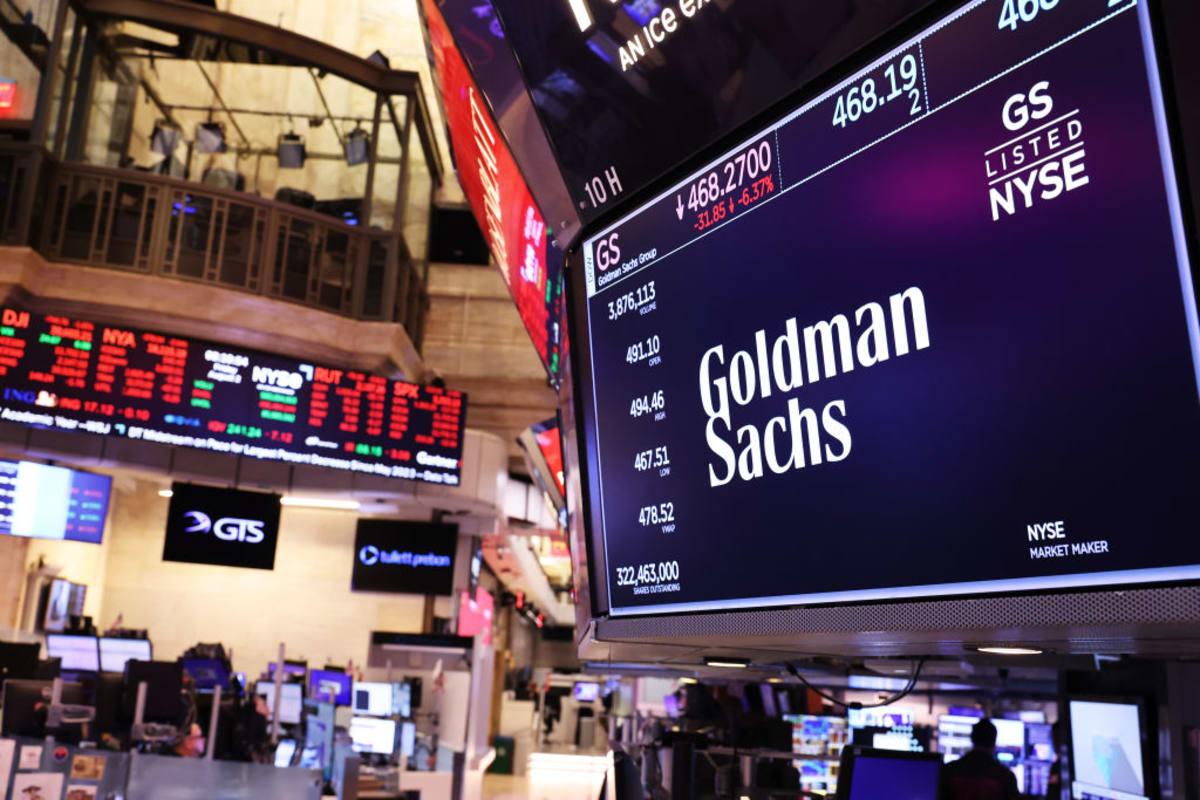
Despite a drop in consumer confidence and rising unemployment, economic growth in the third quarter was shockingly great, with GDP growing at a robust 4.3% on an annualized basis. The number defied expectations of economists, with better-than-expected consumer spending being the most significant driver of the strong report, and net exports being the other notable tailwind.
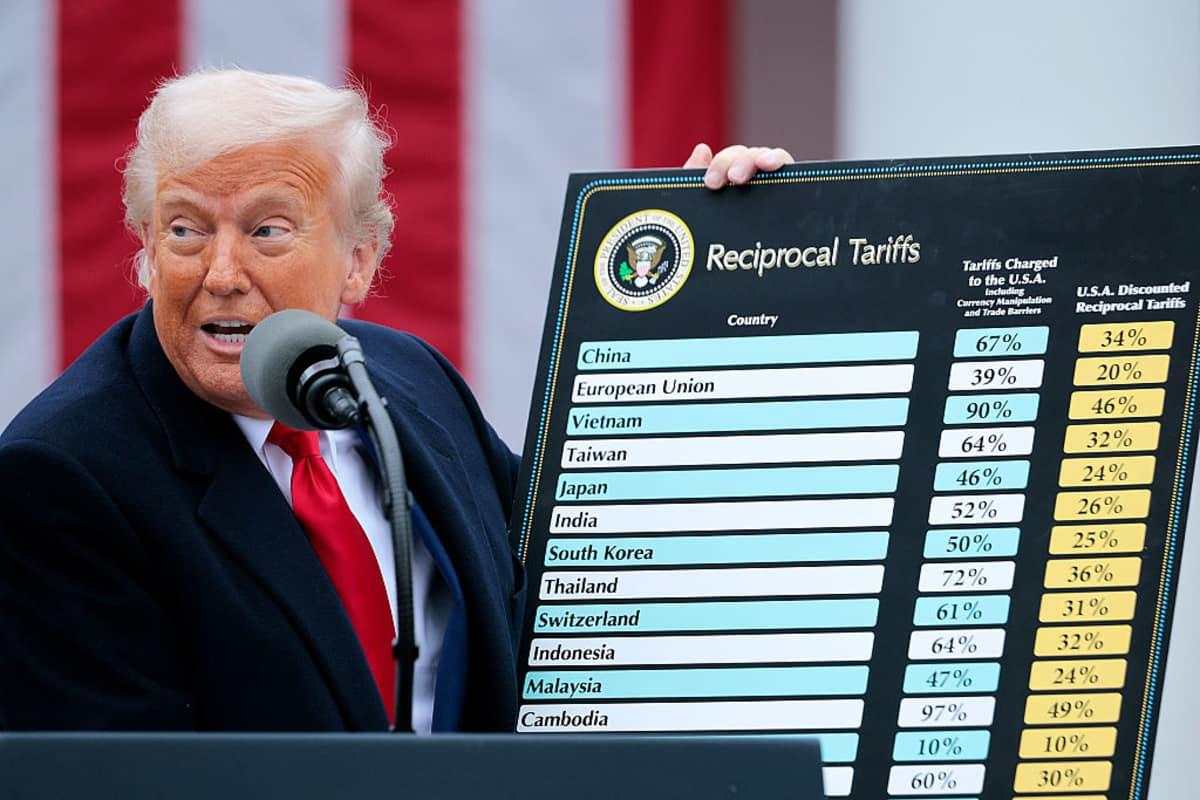
Goldman Sachs projects that U.S. economic growth will further accelerate in 2026 because of three factors. The first is a reduced drag from the tariffs, as the outlook report noted that the increase of 11 percentage points in tariffs cuts in the second half of 2025 cut 0.6 points from the U.S. GDP. Thus, if the tariffs broadly remain the same or are fine-tuned, their negative impact on the GDP "is likely to fade in 2026," the report read.
Other factors that could boost economic growth are the tax cuts and reforms that will take effect under the One Big Beautiful Bill Act (OBBBA). The economists at Goldman believe the tax cuts will provide consumers with $100 billion in refunds in the first half of next year, which is about 0.4% of the annual disposable income. The report further noted that the business tax provisions under the OBBBA, which allow full expensing of plant and equipment spending, "have already started to boost forward-looking capex indicators." The third factor that the firm considers beneficial for the economy in 2026 is deregulation and the advancement of artificial intelligence (AI).

The year-ahead outlook also forecasts lower inflation as core PCE inflation remained at an elevated 2.8% in 2025. The report noted that without tariffs, inflation would have fallen to about 2.3%, and if the tariffs remain at their current levels, PCE inflation could decline to just above 2% by the end of 2026, the report noted.
While the GDP growth forecast looks positive, Goldman Sachs noted that the outlook for improvement in the labor market doesn't look as good. The unemployment rate, which went up from 4.1% in June to 4.6% in November, isn't expected to cool down anytime soon. "We expect the unemployment rate to stabilize at 4.5% as hiring picks up on the back of stronger final demand growth," wrote Goldman Sachs's economist David Mericle. "Further labor market softening is the largest downside risk to our forecast because hiring is starting from a weak place and the promise of AI might restrain it further," he added, according to Reuters.
More on Market Realist: