As Trump toots his own horn about US economy — the ground reality tells a different story

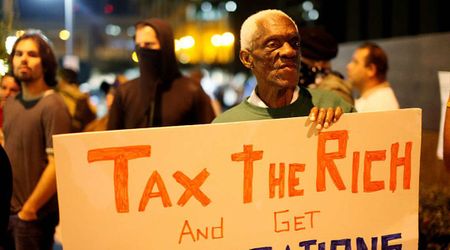
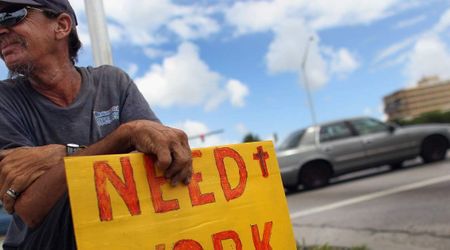
While U.S. President Donald Trump claimed victory on the economy after completing one year back in the office, public attitude towards affordability, wages, and employment has remained bleak. The K-shaped economic situation has worsened, with the rich benefitting from the booming stock market and the middle/lower class struggling to make ends meet. The New York Times described the situation in the words of blue-collar workers who are in the thick of it.
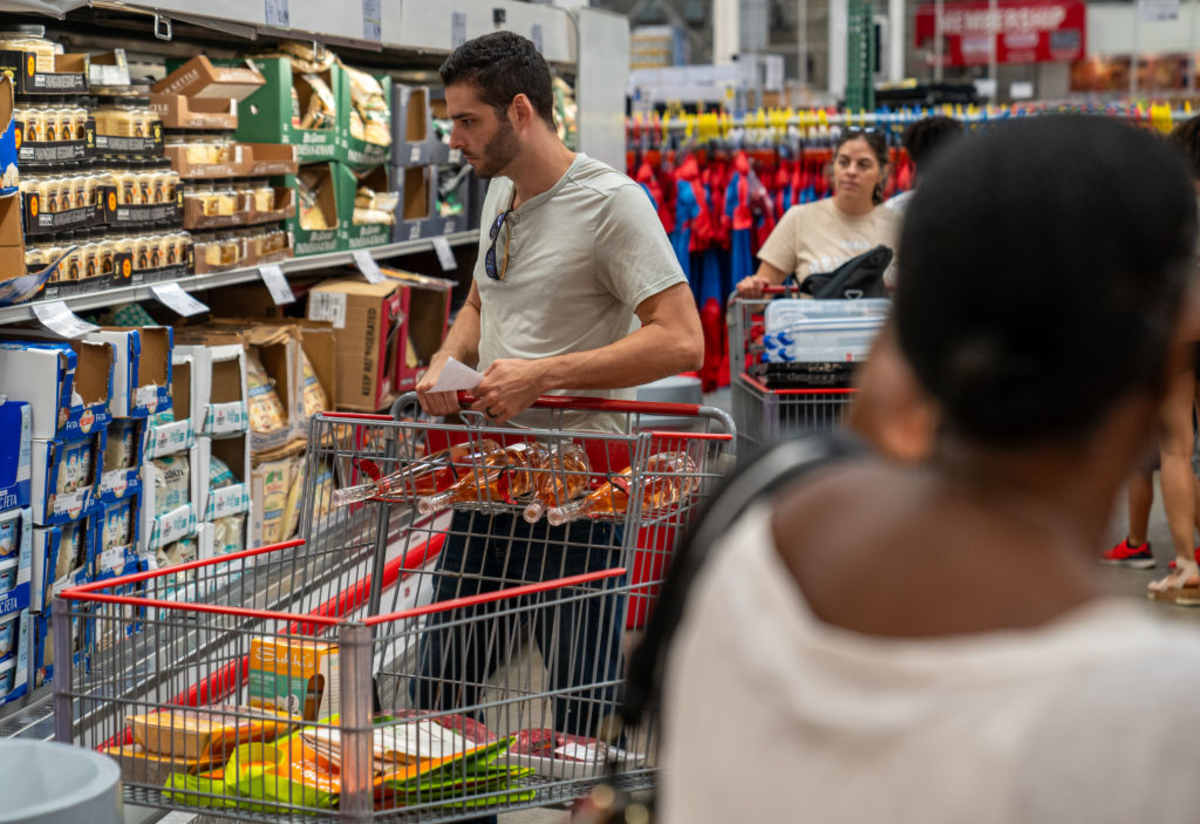
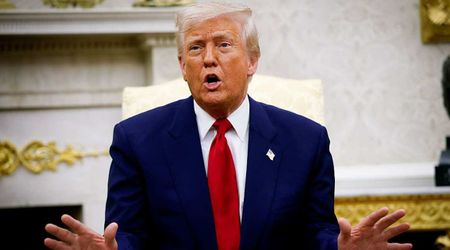
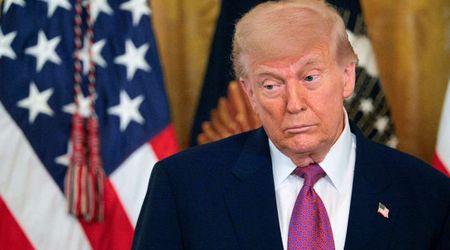
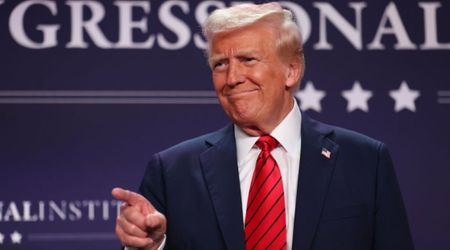
"But today, after just one year of President Trump, our economy is booming, incomes are rising, investment is soaring, and inflation has been defeated. Our border is closed, totally closed," Trump claimed in his speech in Clive, Iowa, last month. However, economic data and several polls beg to differ. For millions of Americans, the affordability crisis is as bad as it gets, with soaring costs of healthcare, education, housing, childcare, groceries, and more. “Everything is up 20 percent in cost except my salary,” Kristin Errico, a 43-year-old managing editor at a small publishing house in New York, told The Times.
The crisis has forced middle-class consumers to make difficult decisions, with many delaying retirement, college, or cutting grocery lists. “I have to keep working,” said Maribel McBeath, a 66-year-old worker who has been cleaning plane cabins at the Charlotte, N.C., airport for 13 years, making $16.50 an hour. McBeath told The Times that her income isn't enough to cover the expenses, as about half of it goes to rent. “It is a struggle every month. I pay my rent, and then I pay enough to keep the lights and water running,” she said. Forget retirement with a comfortable enough pension fund.

Though unemployment is lower and inflation has slowed, the gains have mostly benefited the wealthy, who have made their money from the booming stock market. “For so many people, basic living has become a burden,” Erin Hatton, a professor of sociology at the State University of New York at Buffalo, told the publication. The expert who studies the labor market added that many in the economy don't have a couple of hundred dollars extra to make it through an emergency or for their retirement.

While inflation peaked in 2022, wage growth has outpaced it in the past two years. However, when the data for the past five years is taken into account, the inflation-adjusted wage growth since 2020 has been close to zero, according to CNBC. However, the wage growth doesn't seem flat for many Americans as the rising costs feel steeper. “Median wage data masks various outcomes across the total population of workers. When wages are broken out by quartile, the lowest-income earners are seeing little to no inflation-adjusted growth,” Stephen Kates, a financial analyst at Bankrate, told CNBC Make It.
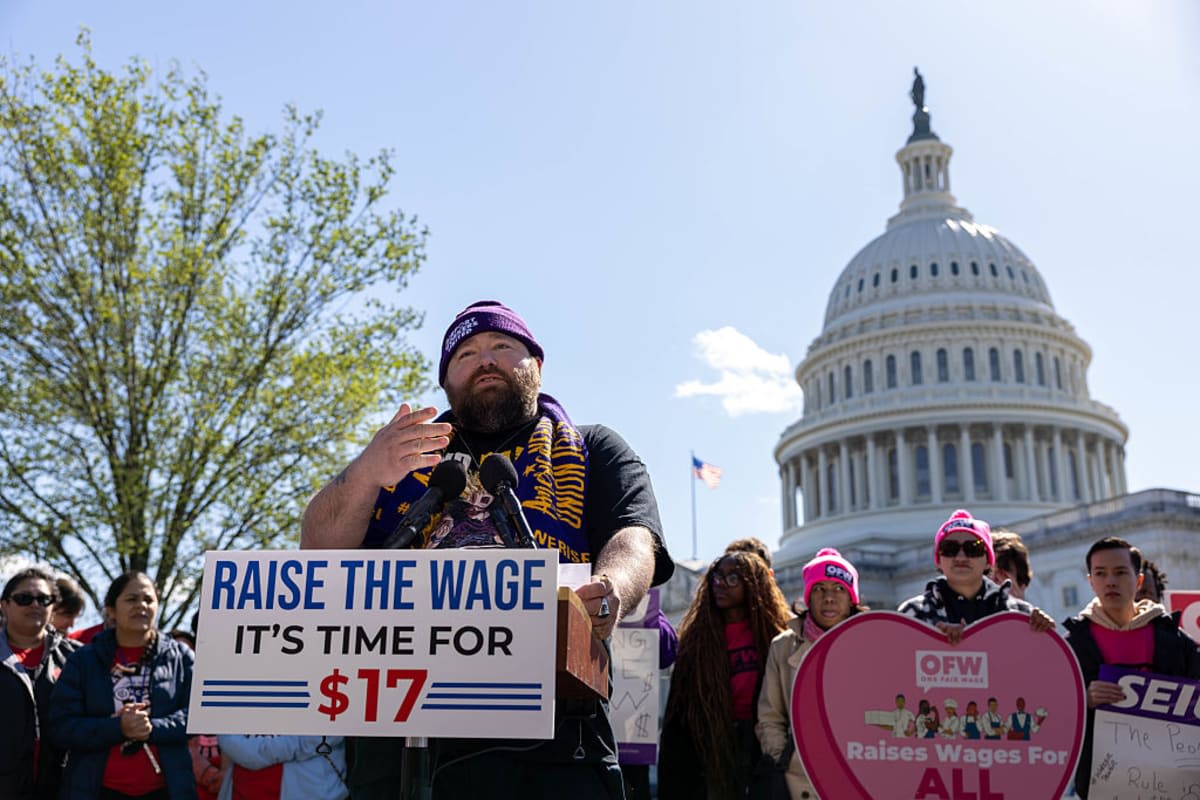
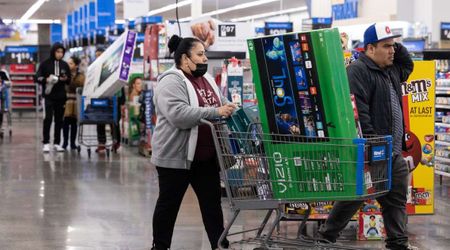
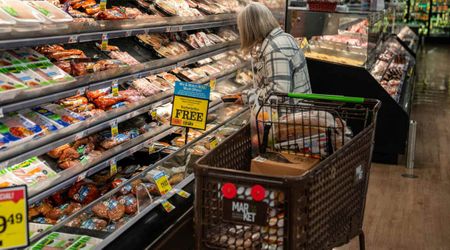
Grocery prices, which are often seen as the primary metric to gauge consumers' perception of the economy, are still rising despite the Trump administration's claims. While the price of some items, like eggs, dropped, other essentials, such as coffee, were up by nearly 20% in January, compared to last year. Similarly, beef prices were up by 16.4%, and the price of frozen fish was up by 6.4%, according to data from the Bureau of Labor Statistics. “People are dissatisfied because what they are looking for is not the inflation rate to get smaller, but for the prices to get smaller,” Michael Walden, a professor emeritus of economics at North Carolina State University, told The Times.
More on Market Realist:
New report says Trump's economy grew much slower than expected in the fourth quarter
Goldman Sachs says 'don't expect' companies to lower prices in response to tariff reductions
Nobel Prize–winning economist warns Trump's economy is only 'going to get worse'