
The most valuable thing on Earth still remains a mystery to many — it costs $62 trillion for one gram
It can only be manufactured using CERN's Large Hadron Collider (LHC).
Oct. 8 2024, Updated 2:44 p.m. ET

The rarest and most challenging materials to produce on Earth are often the most valuable. While painite and diamonds are certainly among the planet's most expensive substances, they do not hold the top spot. That title belongs to antimatter, which is valued at a staggering $62 trillion per gram.
If you have watched the 2009 Tom Hanks film "Angels and Demons" based on the Dan Brown novel of the same name, then you have come across it without realizing it. Antimatter is almost the same as normal matter only it has the opposite electric charge.
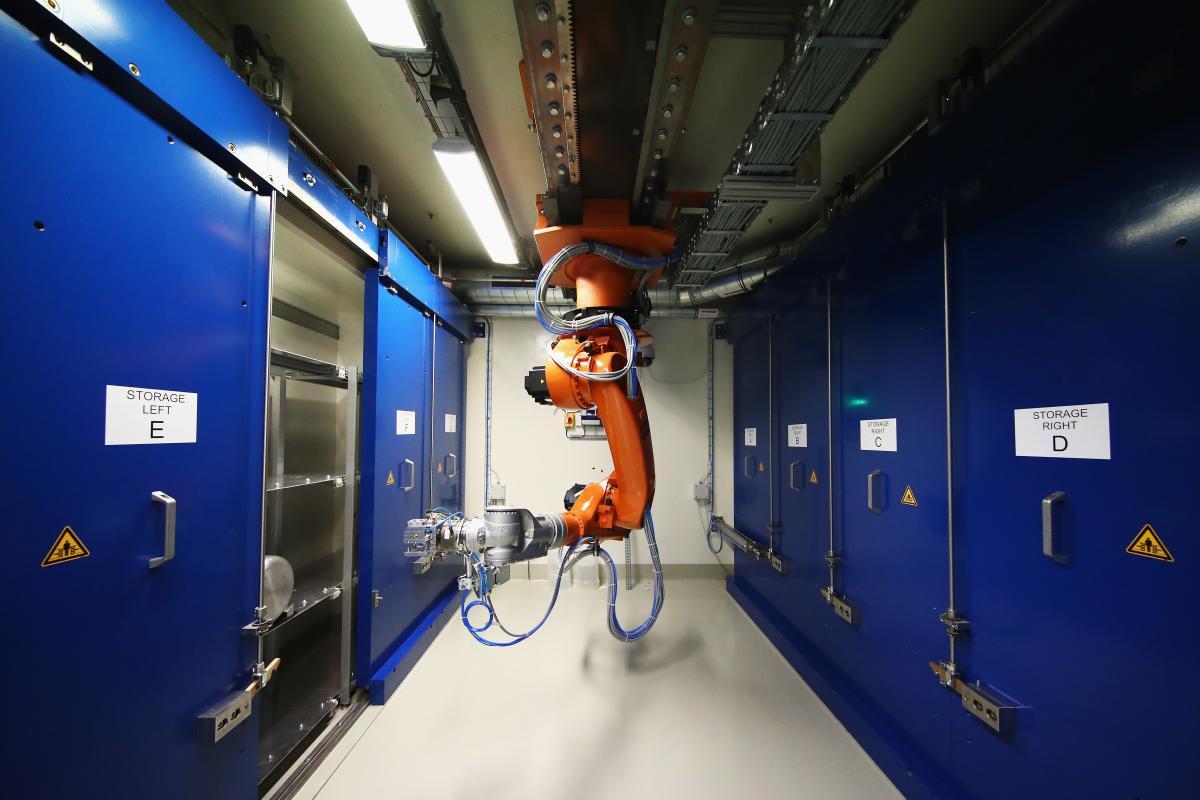
In "Angels and Demons", we learned how it comes into contact with anything made of matter, it can simply explode. This is of course because two opposing forces not liking each other. Unlike normal matter, antimatter is extremely rare, which makes it ultra expensive.
Antimatter can only be manufactured using CERN's Large Hadron Collider (LHC), which is, in part, why it is so expensive. Back in 1999, NASA scientists had predicted that it would cost $62 trillion to make one gram of antihydrogen or antimatter. A hydrogen atom consists of just one electron and one proton. This means that the simplest form of antimatter, antihydrogen, is made up of an antiproton and a positron. The first antihydrogen was made back in 1995 by CERN (European Organization for Nuclear Research).
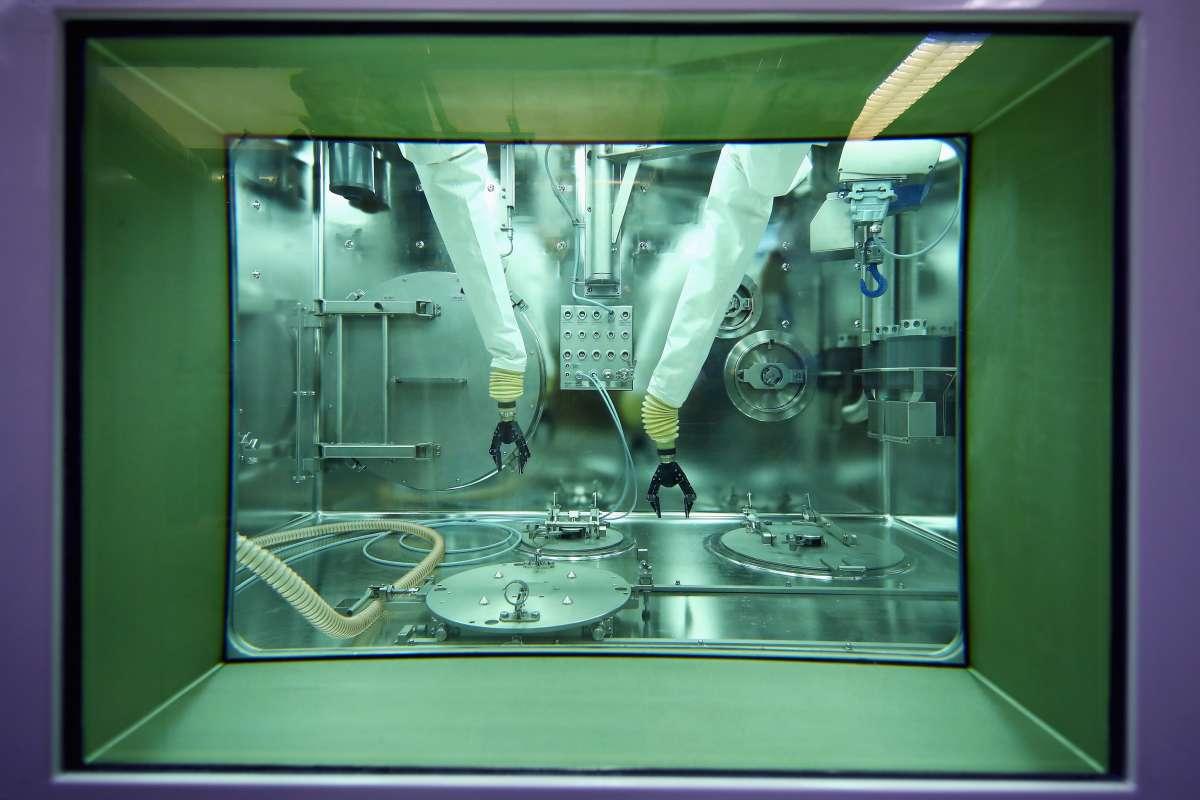
As mentioned the substance is manufactured which means it cannot be found in nature. According to UNILAD, it costs about $1 billion per year to run, with electricity costs alone running at $23.5 million per year. For the particle collision to occur to create the substance, scientists need to get up to a speed of 99.99 percent of the speed of light. This process will use a lot of power. Also to create a whole gram with this technology it will take about 100 billion years. Now, that explains why it's so very expensive.
However, despite the cost, the potential applications of the antimatter have sparked intrigue among scientists. It is proposed as a fuse for interstellar space travel, offering an energy yield far superior and to any current propulsion system. Moreover, in medicine, this substance finds applications in imaging and radiation therapy.
The challenges when it comes to this substance are truly significant. Not only is the manufacturing process a mammoth task, but the handling and storage of the substance is also extremely tricky. Also, the entire quantity produced at the moment by humans is not even enough to power a lightbulb for more than a few minutes. The antihydrogen made in CERN’s laboratory only amounted to a mass of about 1.67 nanograms. The reason why it takes so much time lies in the technology. According to Science to Go, to make antihydrogen, the required antiprotons must be made one atom at a time using a particle accelerator.