
Despite Increased Participation in the Workforce, Women Struggle to Balance Motherhood and Career
Women handle more caregiving after having children, which affects their work and pay, while fathers often earn more, showing differences in caregiving and work.
March 31 2024, Published 12:46 a.m. ET

After decades of inequality, women are finally making a space for themselves in the workforce and demanding rights such as equal pay along with maternity leaves among other policies to accommodate their needs. But Proceedings of the National Academy of Sciences recently published a study indicating that although having children benefits both parents, females typically bear the majority of the expenses.
Even though more women are obtaining advanced degrees and occupying prominent positions, they frequently take time from work or reduce their hours to care for their families. To have greater flexibility in managing their family responsibilities, some women choose lower-paying employment.
The caregiving obligation has been a major factor in the persistent pay gap that exists between men and women, which is referred to as the "motherhood penalty."
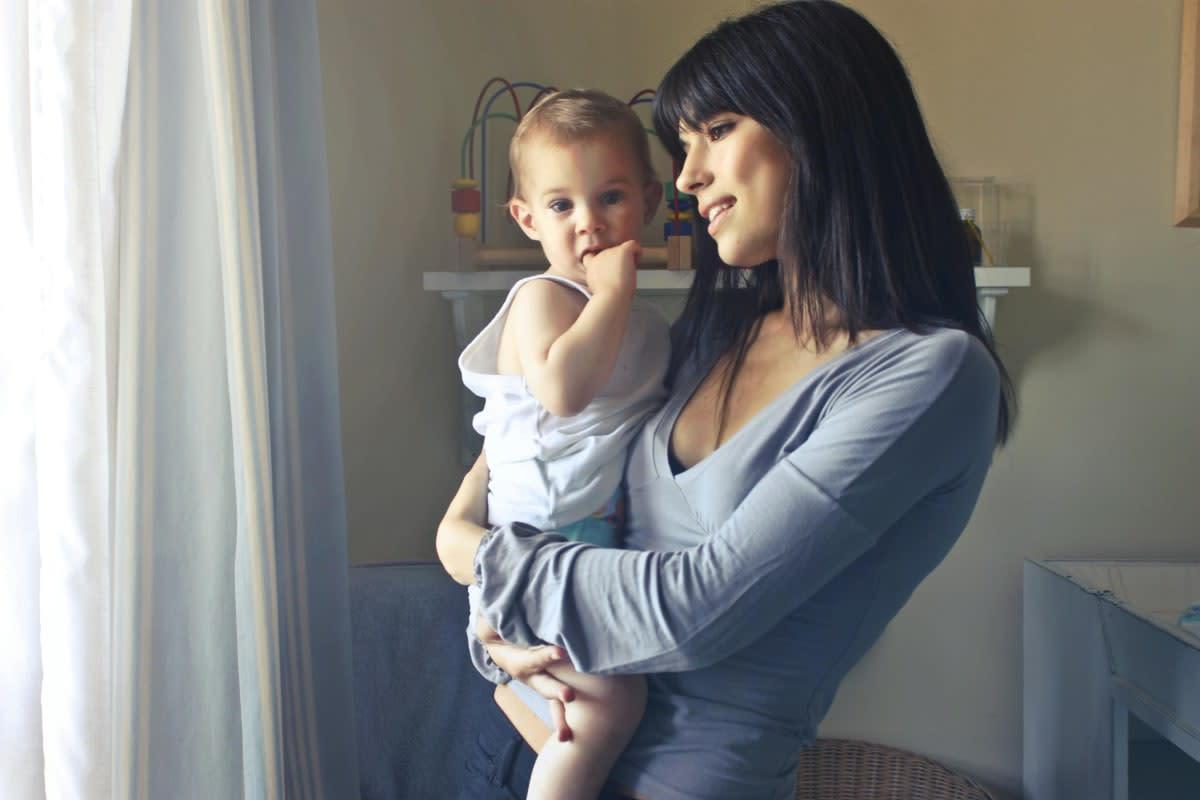
Impact on women's workforce participation
According to the PNAS study's authors, moms experience a sharp decline in their jobs and income around the time they give birth, and this lower income may last for a considerable amount of time following childbirth. The National Women's Law Center's vice president of research, Jasmine Tucker says that a cycle is at work. Because they make less money, women are typically the ones who have to take time off work when their children are ill. It's an economically sound option, but regrettably, it keeps happening, turning into a self-fulfilling prophecy.
In contrast, fathers don't experience any negative consequences as parents. A separate report by the British Trade Union Association TUC shows that full-time working fathers receive a wage "bonus" when they become parents. According to the report, fathers earn around 20% more than men who don't have children.
Disparities in household responsibilities
Mothers end up doing the majority of the caregiving duties at home, even when they are the family's principal breadwinners. This conclusion is based on an examination of official data and a different poll carried out by the Pew Research Center. Senior researcher at Pew Richard Fry clarified that domestic chores and caregiving responsibilities aren't balanced in marriages where both partners work and there's a more equal distribution of earning power. He emphasized that even in cases where wives earn more money, there is still a gender disparity in the amount of time spent providing care.
The PNAS study also discovered that in families where women are the main earners, the motherhood penalty is even more significant. Higher-earning women in these families see a drop of around 60% in their earnings after having children compared to their male partners.

Workforce dynamics and childcare costs
Lauren Sanfilippo, a senior investment strategist at Bank of America's Chief Investment Office, claims that one major reason preventing women from entering the workforce in the United States is the high expense of child care. But adjustments to the way workplaces function might provide some respite.
Three-day-a-week hybrid working is becoming increasingly common due to the resistance of workers to returning to normal working conditions after the pandemic. According to a McKinsey Global Institute study, work attendance has stabilized at levels that are about 30% lower than before the pandemic. Women seem to benefit from this trait because it allows them to continue working after having children. According to Sanfilippo, this hybrid work arrangement may be able to lessen the challenges in balancing motherhood and career.