
That morning coffee may not get cheaper anytime soon — even after Trump’s latest tariff decision
The cost of raw beans, which account for at least 40% of production, has skyrocketed as a result of supply shortages.
Dec. 22 2025, Published 3:29 a.m. ET

Coffee prices have surged significantly, with local coffee shop owners reporting that the cost of beans has tripled from $2.60 to $6.40 per pound. The spike in prices is attributed to tariffs on Brazilian coffee and global supply issues, such as droughts. President Trump's latest tariff rollbacks may not provide immediate relief from high prices for American coffee buyers. As reported by Reuters, the shortfall of coffee beans from the prior year, which caused raw bean prices to double over that period, is primarily responsible for the increase in retail coffee prices. "Most of the (retail) price increases we've seen so far are not in response to tariffs. (They're) associated with the record high (raw bean) market that we've been in since last year," Christopher Feran, an independent coffee analyst, stated.
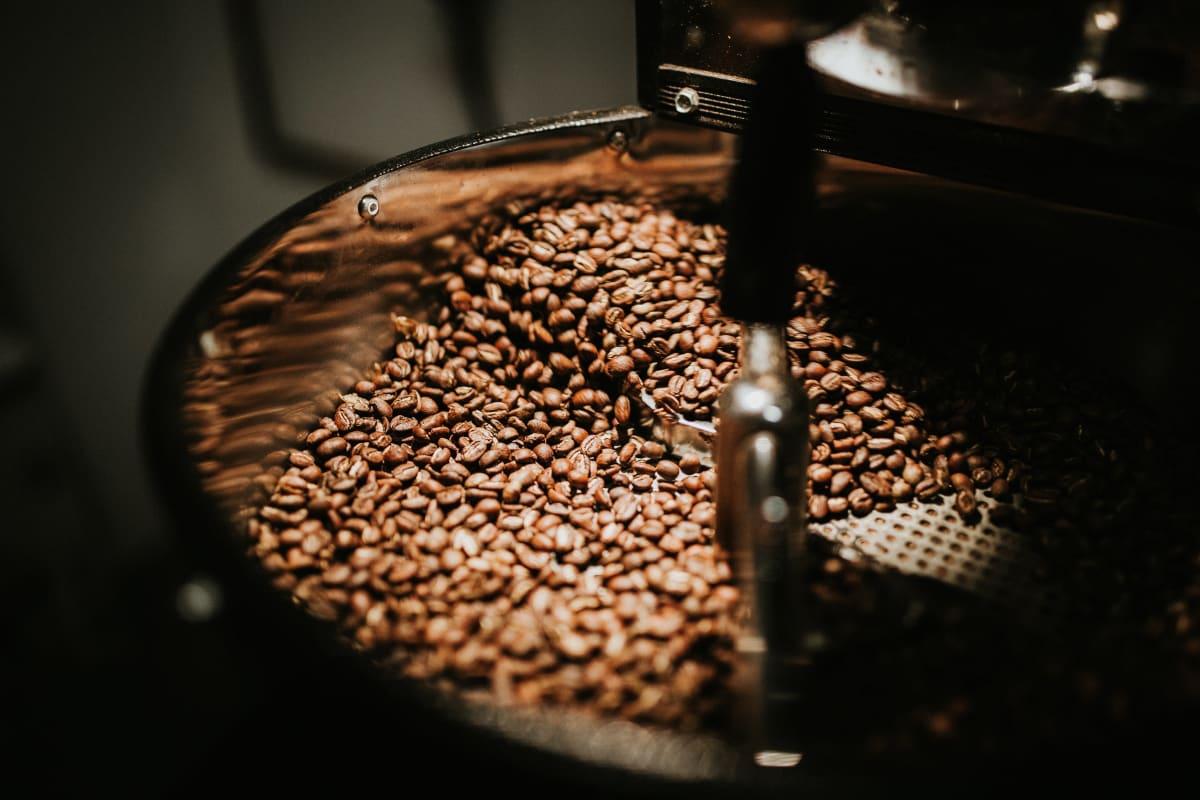
Due to roasting and negotiating times, Feran and industry experts estimate that raw bean prices might take approximately nine months to impact consumer coffee costs, indicating persistent higher pricing into the next year. The cost of raw beans, which account for at least 40% of the production cost of a bag of roast and ground coffee, has skyrocketed as a result of supply shortages brought on by unfavorable weather. In addition to tariff reductions, experts predict a surplus in coffee output for the 2025/26 and 2026/27 seasons, which will eventually result in cheaper raw bean prices.
Analysts point out that U.S. roasters negotiate prices every three months and keep bean supplies for two to three months, so price adjustments won't have an immediate impact. As a result, the roughly 35% increase in raw bean prices under Trump's tariffs has not yet had a complete effect on supermarket pricing, and the 18.8% increase in U.S. retail coffee prices is not primarily attributed to tariffs. “Coffee prices rise more quickly than they fall," said Steven Walter Thomas, the CEO of U.S.-based importer Lucatelli Coffee.
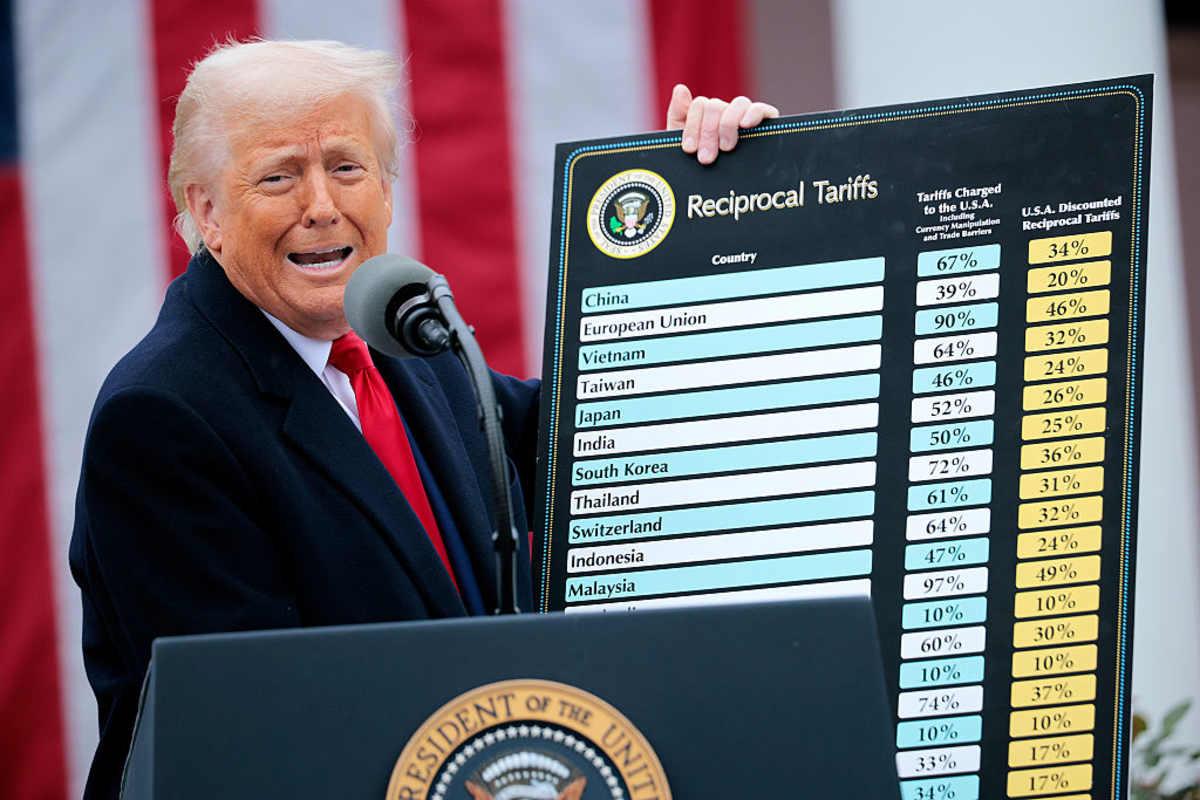
After polls indicated that affordability and the cost of living were significant concerns for consumers, in mid-November 2025, in response to political pressure from rising food costs and election losses, Trump signed executive orders to eliminate tariffs on various agricultural products that are difficult to grow in the U.S., such as coffee, beef, and tropical fruits. With Brazil supplying about 30% of U.S. coffee, reductions in tariffs were expected to lower costs. Experts cautioned that changes may take time to reflect in prices. "We just did a little bit of a rollback on some foods like coffee," Trump said after the announcement. Additionally, he admitted that his tariffs could increase consumer prices but suggested that the burden was significantly borne by other countries.
In October, "Good Morning America" reported that prices for roasted coffee have surged nearly 21% in the past year, driven by supply chain issues, low inventories, and tariffs. Independent coffee shops are feeling the fluctuations more acutely than major chains. Consumers are creatively finding ways to save, such as using instant coffee, buying beans in bulk, and storing them. Moreover, experts have advised seeking deals and considering loyalty programs to tackle the issue.