California's climate crackdown is threatening refineries — and motorists could pay the price

The war in Iran disrupted the global shipping route, pushing crude prices past $100 per barrel, and that has forced Americans to wait in long lines at gas stations. Gasoline prices in California, too, have jumped sharply this week, with regular fuel averaging $5.20 per gallon, more than $1.70 above the national average of $3.45. State officials point to the ongoing conflict with Iran as a key driver, but California's climate push that could drive out refineries is not making things better for the state, according to a report by abc10.
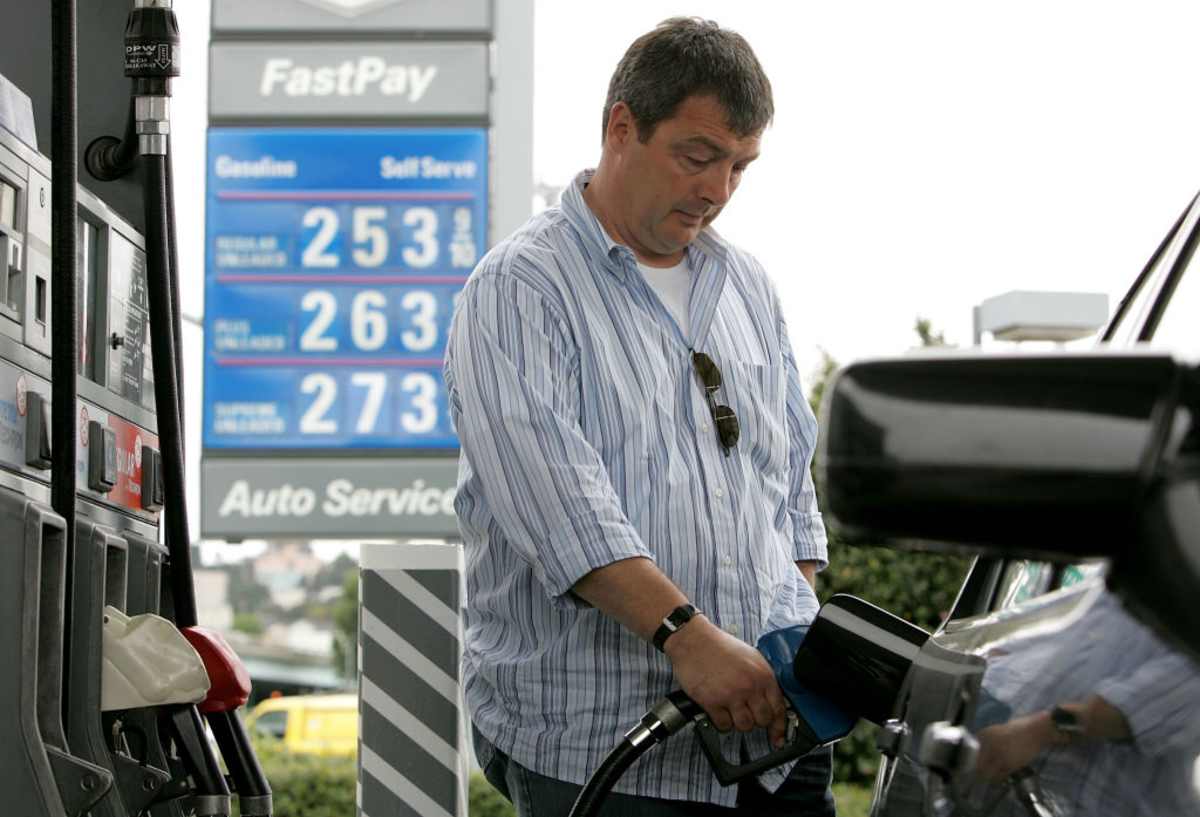
Reddit users have been sharing their experiences with gas prices. One user, Multicultural_Potato, said on the r/economy subreddit that they had recently seen unusually high prices in Southern California. “As someone in SoCal, I drove past a gas station that was more than $8 even for regular,” the user said. Another commenter, knightress_oxhide, said prices were higher but not nearly that extreme. “Gas is more expensive now, but just up to about $4.50,” the user wrote.

Regulations set by the California Air Resources Board (CARB) add extra costs to every gallon of gasoline produced locally. Estimates suggest the rules can add about $0.47 to $1.15 per gallon, placing fuel prices in the state among the highest in the nation, even before it was hit with a supply disruption. Now, a new proposal, under consideration by the CARB board, could reduce available permits while increasing fees for major industrial polluters.
Andy Walz, a senior executive at Chevron, in an interview with KCRA, said, "I know Chevron and my competitors are having trouble running a business in the state of California. If they add this burden of a tax on our refineries, I think it's a matter of time. It's not whether or not they'll close, it's when.”
The issue seems to have drawn the attention of President Donald Trump. According to Bloomberg, the President is considering invoking an emergency law to help oil producer Sable Offshore Corp. restart production in California. Governor Gavin Newsom and his administration have shifted blame to Washington, owing to its role in the escalation of the war in Iran.
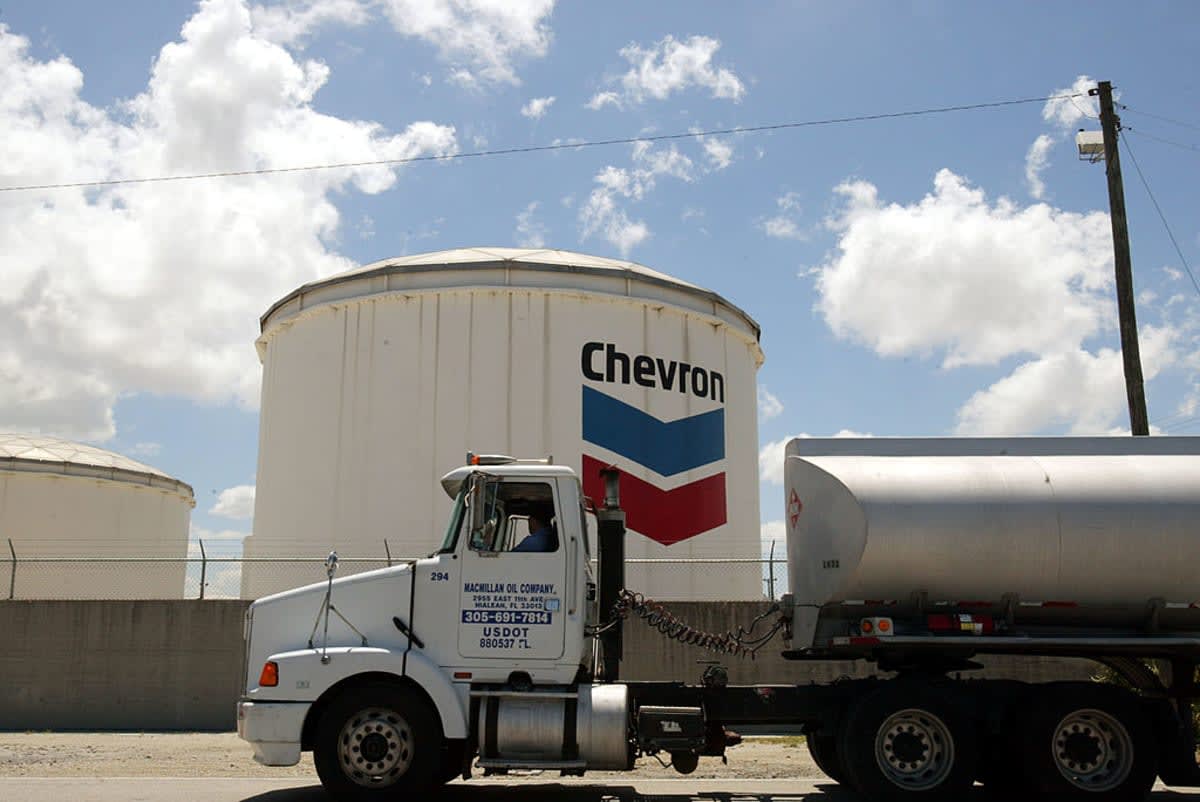
Unlike most American states, California has no pipelines bringing refined gasoline or diesel into the state. Making the semi-isolated market highly sensitive to a drop in local refining capacity, which often leads to a spike in fuel prices. Further, California uses a specialised gasoline blend, designed to meet strict air quality standards set by CARB. Because this blend is rarely produced outside the state, it almost entirely relies on its own refineries and on waterborne imports for its fuel demand.
The state's refining capacity has been shrinking for decades. In the 1980s, California was home to around 40 refineries. By 2025, that number had fallen to just 13, according to the American Petroleum Institute. Now, two further closures are accelerating concerns about future supply. Zachary Leary, chief lobbyist at the Western States Petroleum Assn, attributed the reason behind high gas prices in California to these closures, noted the Los Angeles Times. “Geopolitical events show and highlight how fragile it is here in California,” he added.
Severin Borenstein, faculty director of the Energy Institute at UC Berkeley’s Haas School of Business, noted that it is hard to predict how long the spike will last. “We don’t know whether the war will widen or end quickly,” he said, before adding, “Those things will drive the price of crude.”
More on Market Realist:
Oil price hike sparked off by the war could make life more expensive for Americans
Oil prices in the US have hit $110 a barrel as it soars to a level not seen in years
Ex-Treasury official warns Americans will face higher fuel prices unless US makes one key decision