
How Unreliable School Transport Inspired This 50-Year-Old Mom To Build $1.3 Billion Startup
Zum, born out of mother's struggle in now worth a Billion dollars!
March 1 2024, Published 3:03 a.m. ET

Ritu Narayan, who used to manage tech products for big companies like eBay and Oracle, faced a common problem: her kids sometimes had trouble getting to school on time. This meant she had to juggle between her job and sorting out transportation for them. She remembered how her mom, who was a teacher in India, dealt with similar challenges years ago and had to give up her career to take care of her four kids.
Zum: A Solution to a Personal Problem
To solve this problem, Narayan came up with an idea: she quit her job and started Zum, a service that uses AI and electric school buses to take kids to school. Zum works a bit like Uber, but it's specifically for kids. Parents can book rides in advance and track their child's location using Zum's app.
Zum became popular pretty quickly among parents in the Bay Area. Narayan, who is now 50 years old, says that the demand for the service was very obvious from the start.

Stick to the Original Vision or Pivot?
In 2019, Narayan approached certain local schools to promote Zum among parents. Instead of just advertising it, the schools proposed something bigger: Zum would become their official school transportation service.
Narayan was at a crossroads. Should she continue with her initial strategy, which was inspired by her mother and had already proven successful, or should she drastically overhaul Zum's services and compete directly with major bus companies? The potential market was enormous, with more than 25 million students in the United States reliant on school buses. But going after them could jeopardize her company's stability.
Transforming Zum's Focus
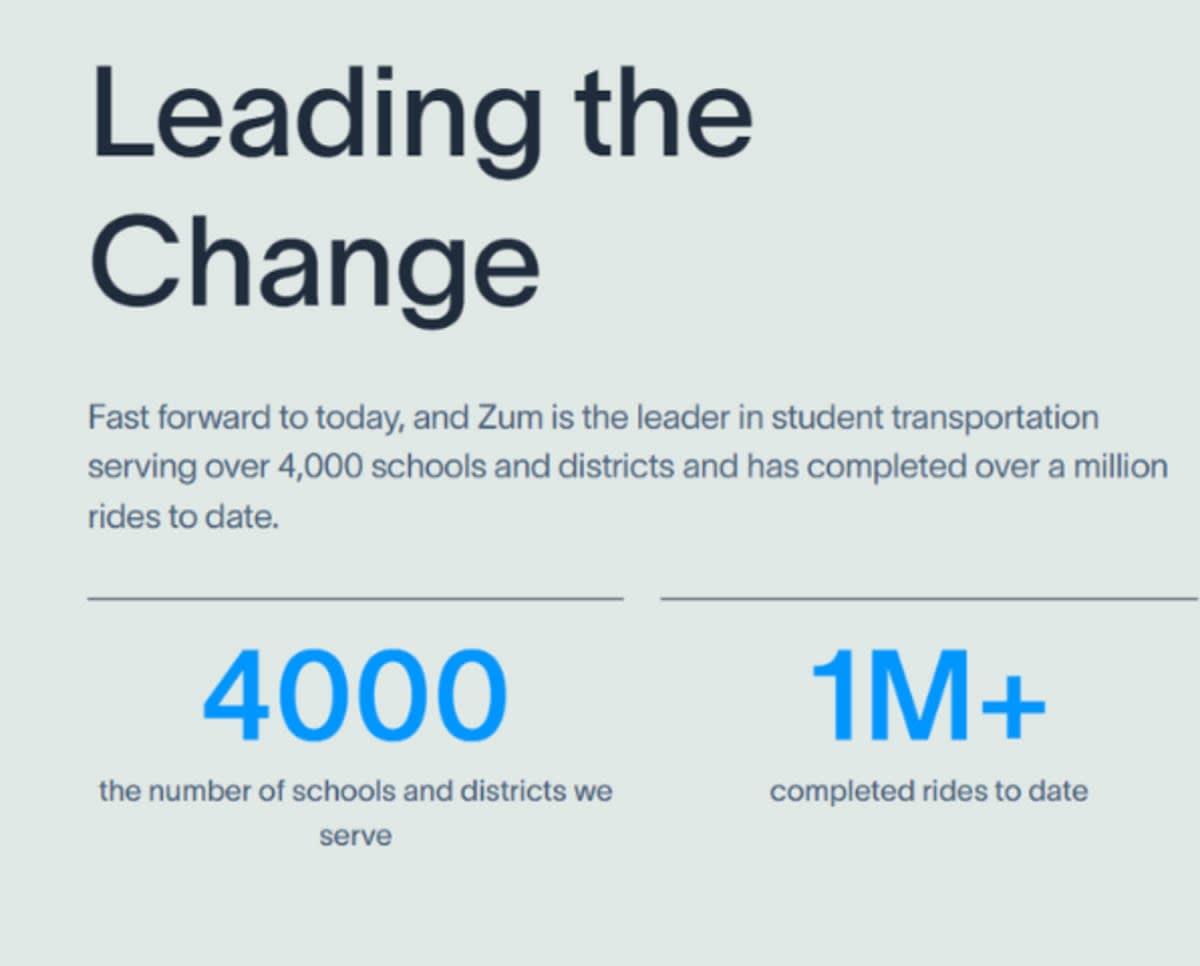
She decided to take the leap. Five years later, Zum is worth $1.3 billion. It has contracts worth over $1.5 billion with more than 4,000 private and public schools across California, Washington, Texas, Illinois, Tennessee, and Maryland, according to Narayan. Narayan describes her reasoning behind that difficult decision, why it paid off, and her advice for anyone facing a predicament that appears to pit emotion against logic.
The choice to shift Zum's focus was tough since it included abandoning a model that was extremely personal to Narayan. It took her around eight months to decide. Zum's initial model was already positively impacting the lives of working parents, particularly women. Narayan received notes from working women who were able to focus on their careers and even obtain promotions after Zum relieved them of the stress of rushing to pick up their children.
Despite this success, Narayan felt torn. Changing Zum's focus risked disappointing parents who relied on the service. However, she realized that by changing Zum, she was still meeting the needs of children and parents, although in a new way. This realization influenced her choice to increase Zum's offerings.
Navigating Challenges and Seizing Opportunities
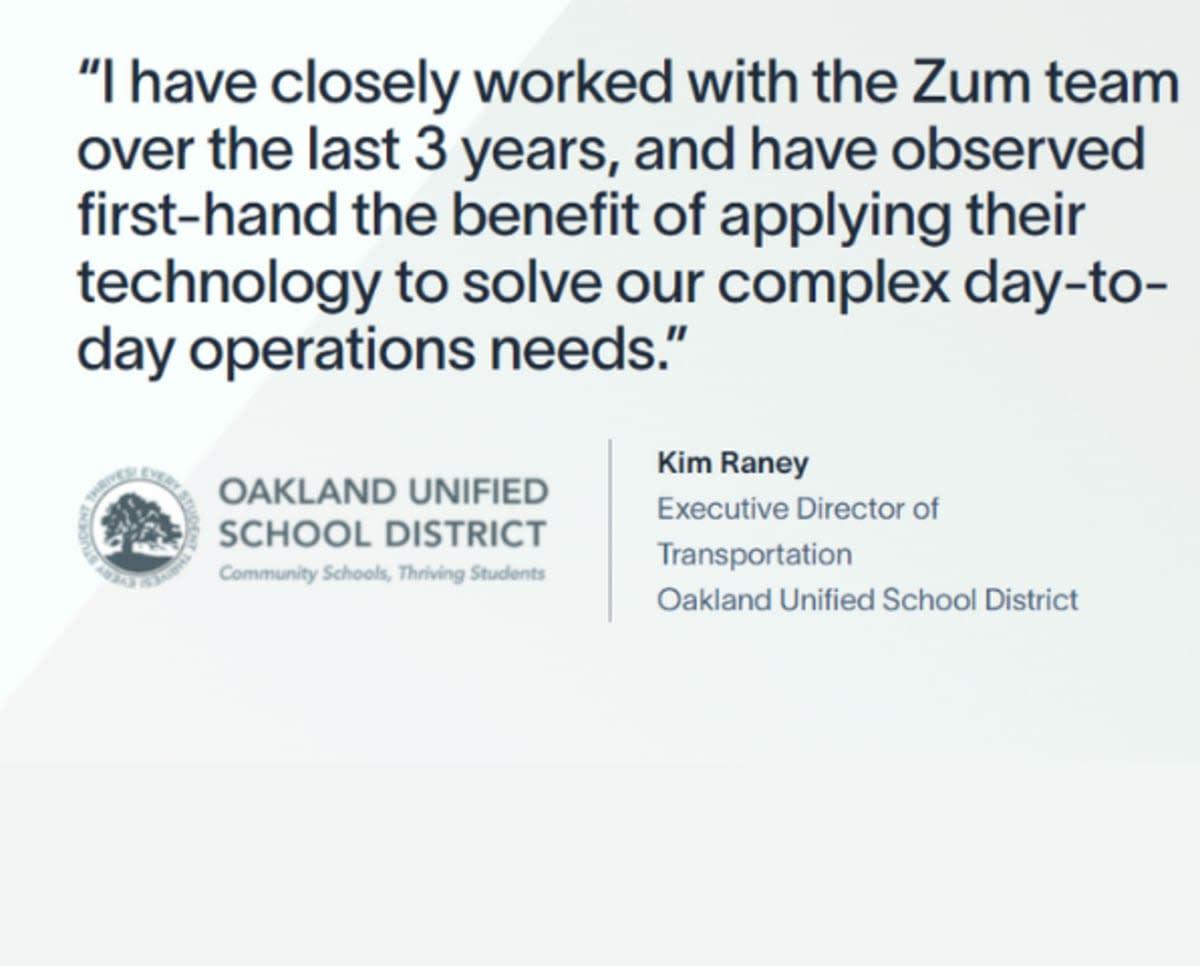
It felt like a big deal to change the business plan, especially when things were going well. They weren't experts in running buses, so they had to learn a lot of new stuff. Convincing their bosses and investors was tough too. Getting a huge $53 million contract with the Oakland Unified School District in 2020 was a big win. It boosted morale and got everyone excited about the new direction.
Then, COVID-19 hit, and school rides stopped for months. It was tough, but it gave them time to improve their product without the pressure of daily operations. Deciding when to take risks is tricky. One investor called it a "crucible moment" — a time when things could go well or badly.
In simple terms, it's like being a watchful parent, always on the lookout for problems. Businesses need to do the same, keeping an eye on changes in the market and customer needs. Sometimes, unexpected opportunities pop up, and you have to be ready to grab them and turn them into success.