
The Rise of 'Doom Spending' Amidst Homeownership Struggles for Young Americans
In the viral video, a woman explains how young adults are able to afford “nice things.”
Feb. 1 2024, Published 6:17 a.m. ET

Recently, a new trend has emerged, and it's being termed "Doom Spending." This phenomenon, characterized by frivolous and often extravagant purchases, is gaining traction among young Americans who find themselves locked out of the dream of homeownership. The soaring costs of homeownership, reaching unprecedented levels are pushing people to divert their savings towards more immediate pleasures. Maria (@firstgenliving) recently addressed this issue in a TikTok video, capturing the sentiment of many in her age group.
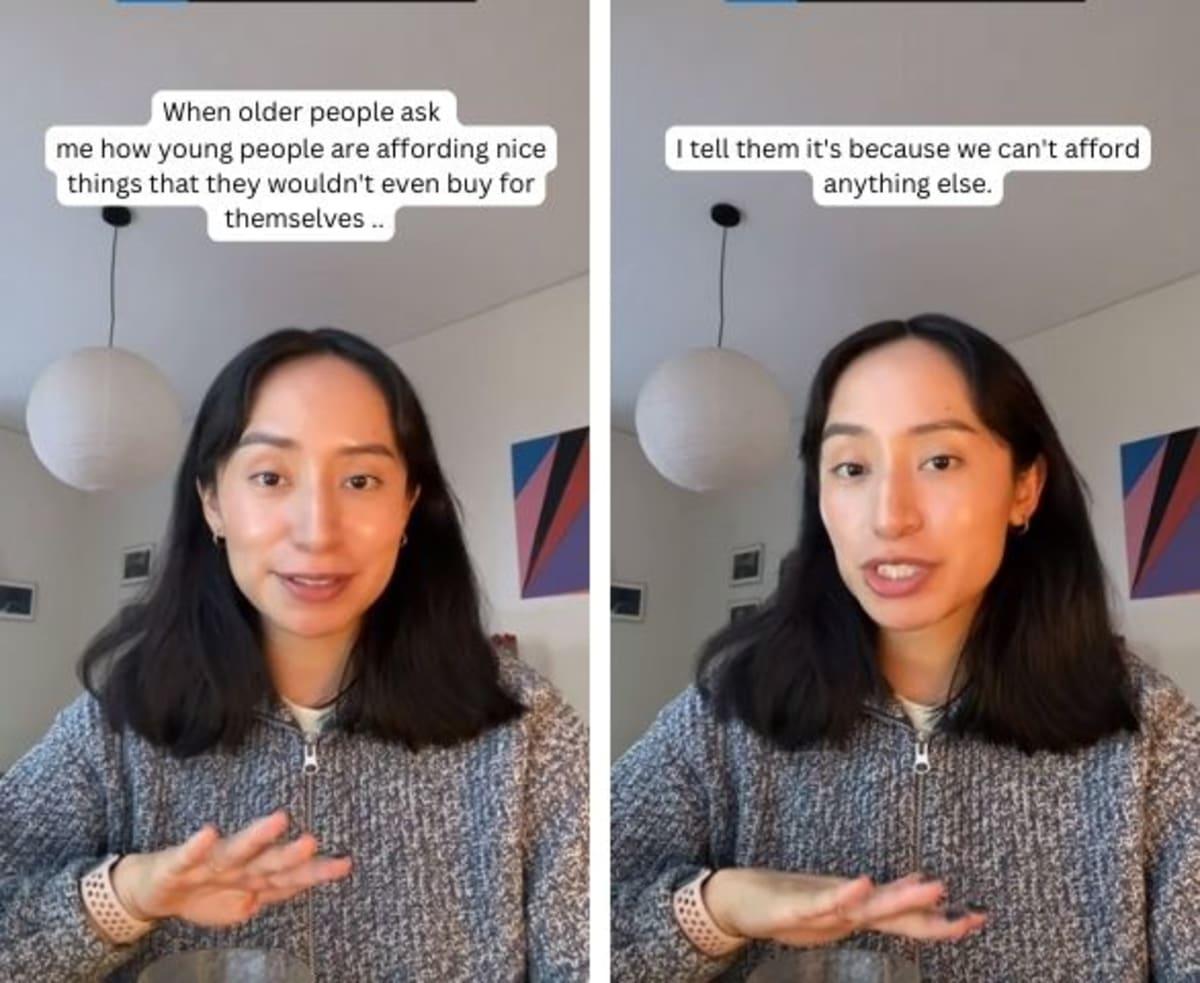
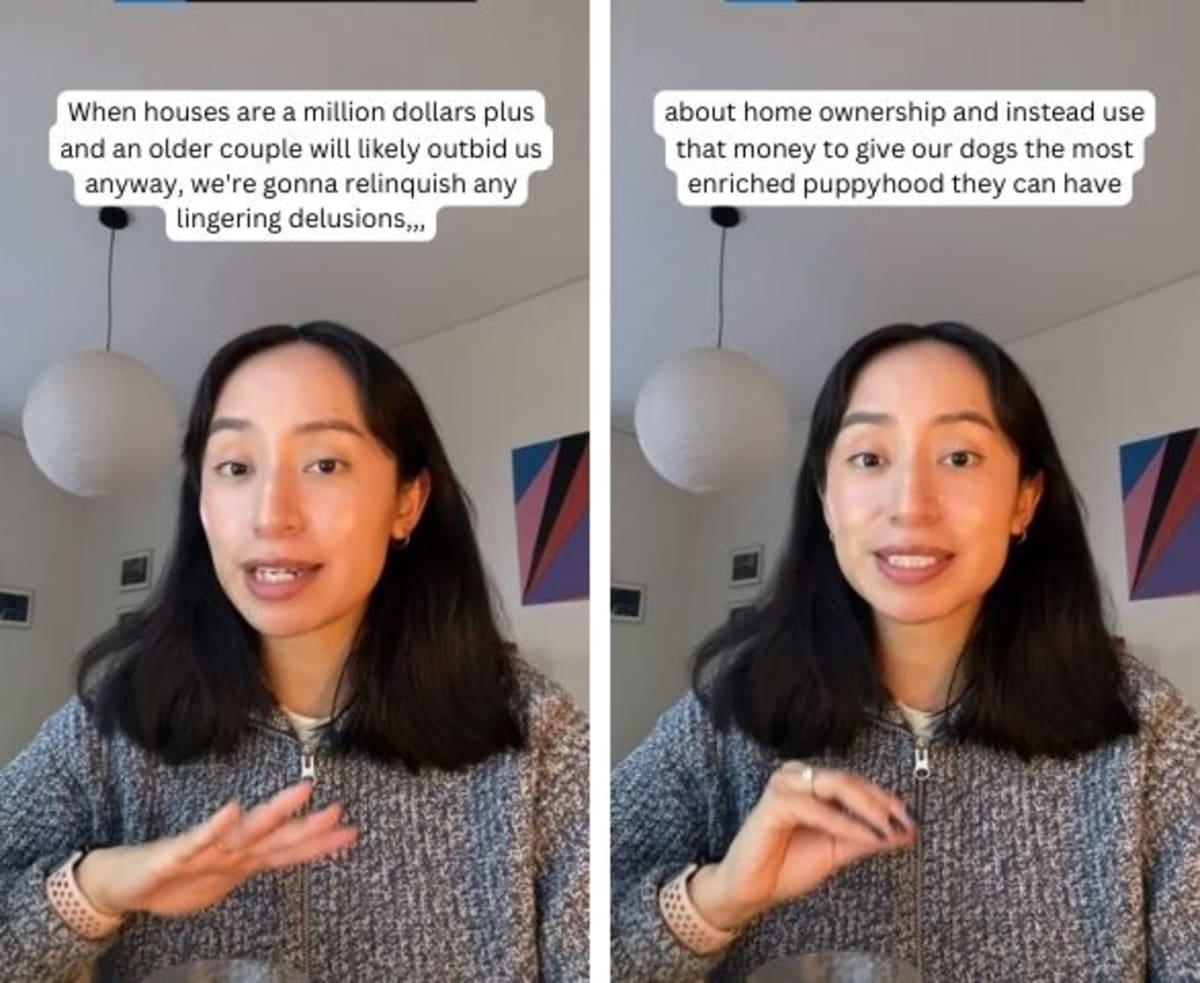
The housing market's skyrocketing prices have led to a paradigm shift in priorities for many. Maria suggests that the allure of a million-dollar home, coupled with the likelihood of being outbid by older couples, has compelled her generation to reconsider traditional aspirations. Instead, young adults redirect their funds towards experiences and possessions that provide a semblance of the adulthood they were promised.
Doom spending isn't just a whimsical shopping spree—it's a coping mechanism born out of economic and geopolitical anxieties. According to a report by Intuit Credit Karma, over a quarter of Americans are engaging in this behavior despite concerns about the economy. Furthermore, a 2023 report stated that as much as 27% of Americans are resorting to spending as a means to cope with stress, particularly related to economic uncertainties.
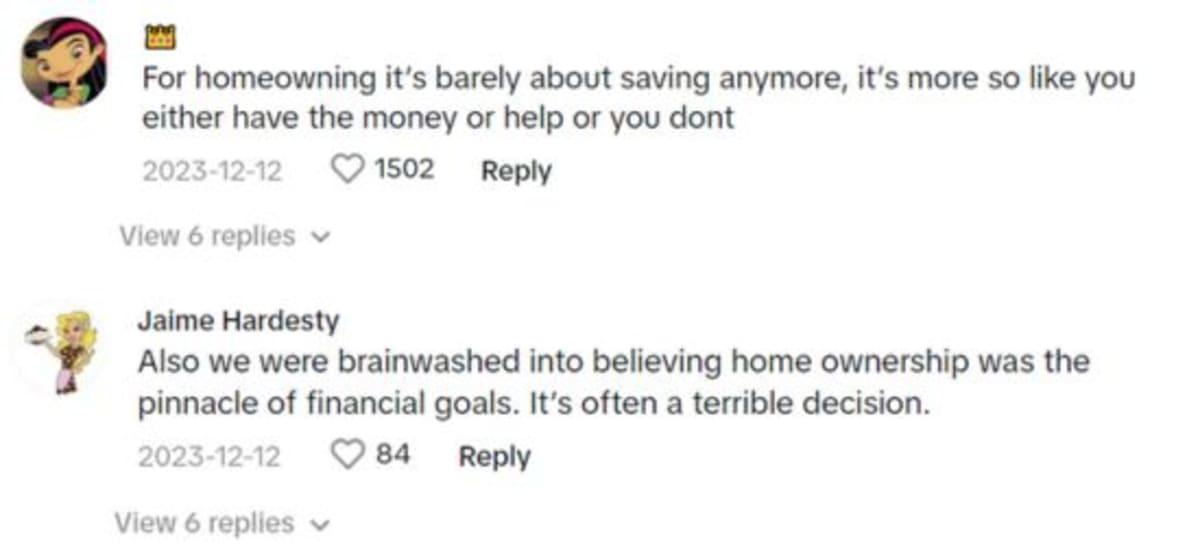
In the wake of Maria's TikTok revelation, numerous viewers shared their own stories of doom spending. One TikTok user highlighted the pressure to conform to societal expectations, saying, "When are you going to stop traveling and buy a house?" Another commented, "We’re all doom-spending now." "Houses are legit $1m+ and our families bought those same houses for less than $200k, make it make sense!" someone else stated.
In a recent incident, a 28-year-old attorney living in a studio justified a $2000 couch purchase as a practical necessity in their constrained living situation. In a world filled with uncertainties, some individuals argue that the future is not guaranteed and is seemingly crumbling before their eyes. This sentiment drives them to embrace the present, finding joy in the fleeting moments rather than saving for a distant, uncertain future.
Concurrently, certain users have highlighted the possibility that "doom spending" might be a strategic marketing tactic aimed at enticing young individuals to make unnecessary purchases and indulge in experiences. The Economist notes that young people exhibit a higher likelihood of buying products showcased on social media platforms and utilizing installment-based payment options.
The trend of "doom spending" underscores a generational shift in priorities, a response to economic challenges that make traditional milestones like homeownership seem unattainable. As stories of doom spending populate social media platforms, it becomes evident that for a growing number of young Americans, the pursuit of happiness has taken an unconventional route—one that involves immediate pleasures over long-term investments.