
Top engineer at Anthropic issues warning that AI may eliminate certain job titles in 2026
Feb. 23 2026, Published 1:22 a.m. ET

As the AI vs human workers debate rages on, there's fear among employees and speculation about which group of professionals will be worst hit. Artificial Intelligence is expected to end call center and help desk jobs, posing a significant threat to entry-level IT positions. AI agents are set to replace human workers in quick succession by performing routine tasks and taking over customer support systems. Anthropic engineer Boris Cherny sounded the alarm that AI agents will transform computer-based jobs in America and that it will be "painful" and transformative. "It's going to expand to pretty much any kind of work that you can do on a computer," the creator of Claude chatbot stated while appearing on "Lenny's Podcast." "In the meantime, it's going to be very disruptive. It's going to be painful for a lot of people," he added.
Cherny further cautioned that job titles in the US will soon change, especially for positions such as software engineers and product managers. Cherny revealed that Anthropic's AI agent Claude Code, which has been updated to Opus 4.6, is improving its online task capabilities and acting more like a human by managing apps and carrying out commands. "It's the thing that I think brings agentic AI to people that haven't really used it before, and people are starting to just get a sense of it for the first time," he said.
Cherny's team believes in the ongoing development of AI models, which has enhanced productivity per engineer since the release of Claude Code. He predicted that the job title "software engineer" may become obsolete by 2026. He told people to embrace AI technologies and not to be afraid of these breakthroughs.
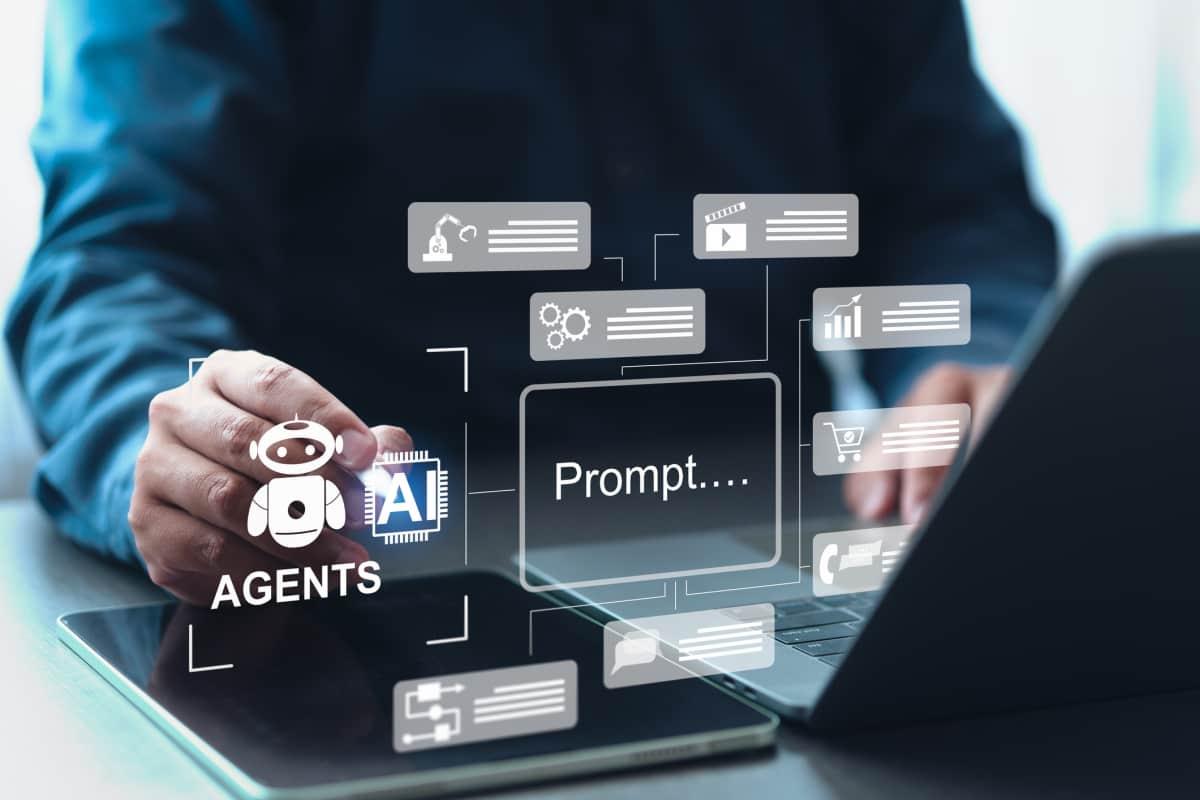
Based on Google's annual AI survey, over 600 use cases were identified across 11 industries, categorized into six types of AI agents. This included customer, employee, creative, data, code, and security agents. AI customer service agents, like those used by Spotify and Uber, enhance user experiences through data analysis and predictive AI.

(Image Source: Getty Images | Photo by Andrea Verdelli)
Data agents, deployed by UPS and Citadel Securities, analyze vast data sets for better decision-making, while creative agents, like those at Craft Hinds, significantly streamline production processes. These innovations highlight the transformative impact of AI across sectors. In 2024, Microsoft launched autonomous AI agents to manage tasks such as client inquiries and sales lead identification, The Guardian reported.

Early adopters include McKinsey, Clifford Chance, and Pets at Home. CEO Satya Nadella highlighted the agents' potential to improve productivity, comparing them to personal computers. Microsoft is also working on transaction-capable agents, despite facing development challenges. Corporate VP Charles Lamanna viewed these AI agents as tools that would transform work rather than replace jobs. “We think that AI is going to have the same type of journey. It’s showing up in a subset of departments and processes, but it’s only a matter of time till it shows up in all parts of an organisation,” he said.
More on Market Realist: