Federal Reserve Governor opens up about AI boom — and it's not good news for US job market

The debate about AI is mostly about its impact on the job market as companies are rushing to automate processes and increase productivity. By improving workflows, AI is already slowing down the recruitment drive in the US job market. According to estimates, between 6% and 7% of the jobs in America could be at risk of extinction in the next ten years. Federal Reserve Governor Lisa Cook believes this trend will lead to a generational shift in the labor market. She also sounded an alarm about trade-offs between inflation and unemployment brought on by the surge in AI investment, which could affect monetary policy and the neutral interest rate.
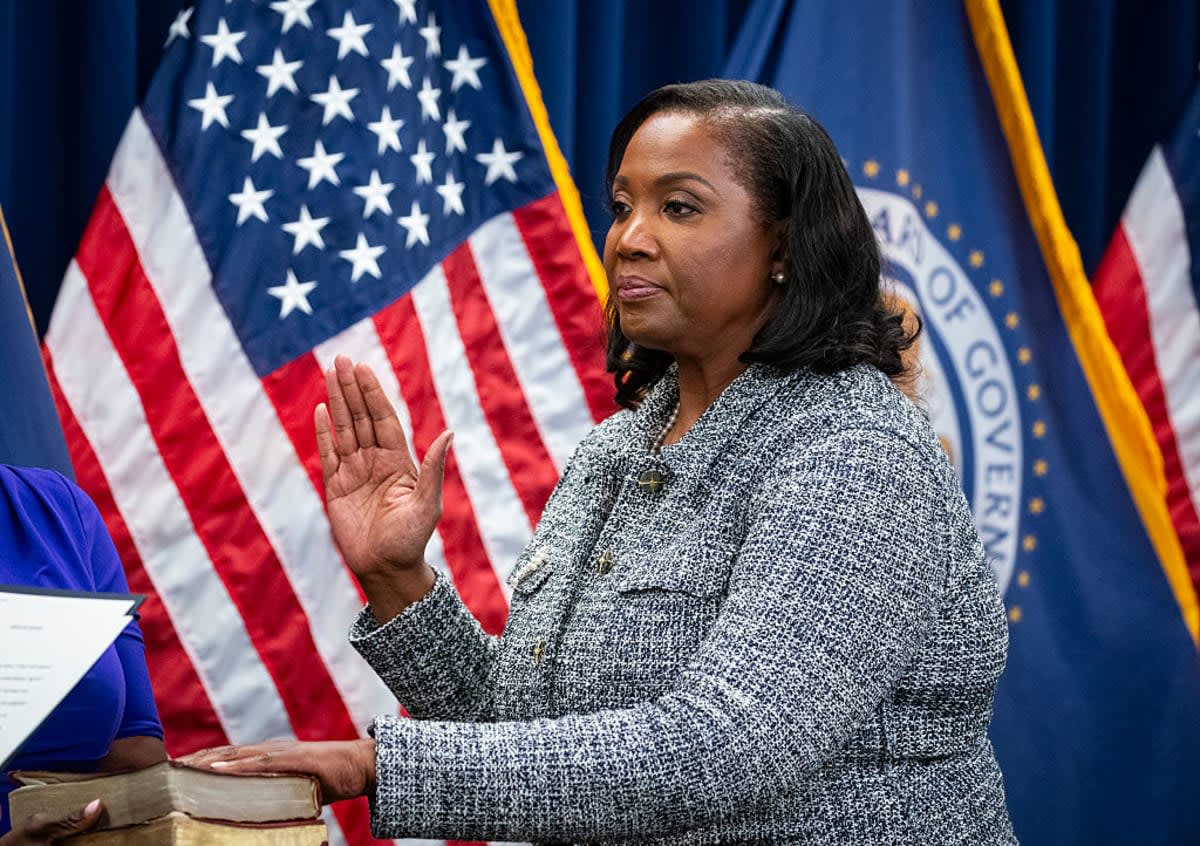
"We appear to be approaching the most significant reorganization of work in generations," Cook said while attending a National Association for Business Economics conference. She pointed out that the current generation of employees is increasingly being sidelined for entry-level jobs, and thus, it all leads to a shift in opportunities for coders. She further noted that during the economic transition, initial job displacement could result in higher unemployment and lower labor force participation. Even in the face of growing productivity, the Fed may not be able to react without running the risk of greater inflation due to rising unemployment.

"In a productivity boom such as this, a rise in unemployment may not indicate increased slack. As such, our normal demand-side monetary policy may not be able to ameliorate an AI-caused unemployment spell without also increasing inflationary pressure," she said, before adding, "Monetary policymakers would face tradeoffs between unemployment and inflation. Education, workforce, and other policies that is non-monetary may be better suited to address these challenges in a more targeted way."
Given AI's potential economic impact, Cook emphasized the complexity of monetary policy, pointing out that a boom in AI investments could initially raise the neutral interest rate, requiring stricter monetary policy. The neutral rate might eventually fall, though, if this results in more income disparity. Her recent remarks reflect the continuing Fed discussions concerning AI's ability to boost productivity, but also pose short-term inflation and unemployment concerns, Reuters reported.

Recent research by Eric Bernielson from the Stanford Digital Economy Lab indicates that AI is significantly impacting new employees in fields like marketing and computer science, causing a decline in entry-level hiring. While aggregate data appeared stable initially, a deeper analysis revealed marked trends affecting these workers, contrary to older employees who are faring better. Although the study is based on ADP payroll data, considered extensive but not entirely representative, it suggests a correlation between AI advancements and job market fluctuations, particularly for those without college degrees as well. The authors caution against overstating the findings without further investigation from additional research, but emphasize the need for continued scrutiny of AI's effects on labor dynamics, Time reported.
More on Market Realist:
Bank of America issues warning that 'AI bubble' may fizzle out because of a cash crunch
Billionaires are investing heavily in AI stocks — and one of them could be a game-changer soon
Thousands of Amazon jobs could disappear as AI quietly reshapes the company