Recent Fed survey says Trump tariffs are choking small businesses with rising costs

While President Donald Trump has repeatedly touted his sweeping tariffs as an economic success, a recent Federal Reserve report found that his policies attacked the backbone of the economy, the small businesses. In a survey conducted by the central bank, over 40% of small businesses reported facing significant challenges from rising costs linked to tariffs and inflation in 2025. As per the report, the tariffs reduced flexibility for firms to absorb costs, expand, diversify their operations, or hire staff due to the increased financial constraints.

In the U.S., there are over 36 million small businesses, which account for nearly half of all private sector employment, and new job creation in the past couple of years, as per the U.S. Small Business Administration. Despite being an integral part of the economy, it looks like in 2025, the money that small businesses were saving for hiring or expansion has gone to paying tariff costs instead. Rising cost of goods, services, and wages was "the most common challenge” faced by smaller firms in 2025, the 12 regional Fed banks collectively said in the 2025 Small Business Credit Survey.
The report found that over 42% or more than four-in-ten firms, cited “increased costs associated with tariffs" as a "financial challenge,” with retail and manufacturing firms feeling the most pressure. The figure for some critical sectors passes well past the 50% mark, with 69% of retail firms, 62% of manufacturers, 61% of leisure and hospitality firms, and 56% of healthcare and education firms citing tariffs as a reason for their diminished bottom lines.

The Fed survey that tracked over 6,500 responses from businesses with less than 500 employees found that 76% of companies faced higher input costs, and they passed at least some of those hikes directly to the consumers. This is contrary to the claims of the Trump administration, which has repeatedly argued that the costs of the tariffs are borne by foreign countries. Moreover, the claim that tariffs will create manufacturing jobs and bring the industry back to America doesn't seem to hold up either, as 60% of respondents said they absorbed some of the costs, and only 13% said they switched to domestic suppliers. Furthermore, just a fraction, or 3% of firms that reported the cost increase said they successfully brought production back to U.S. soil.
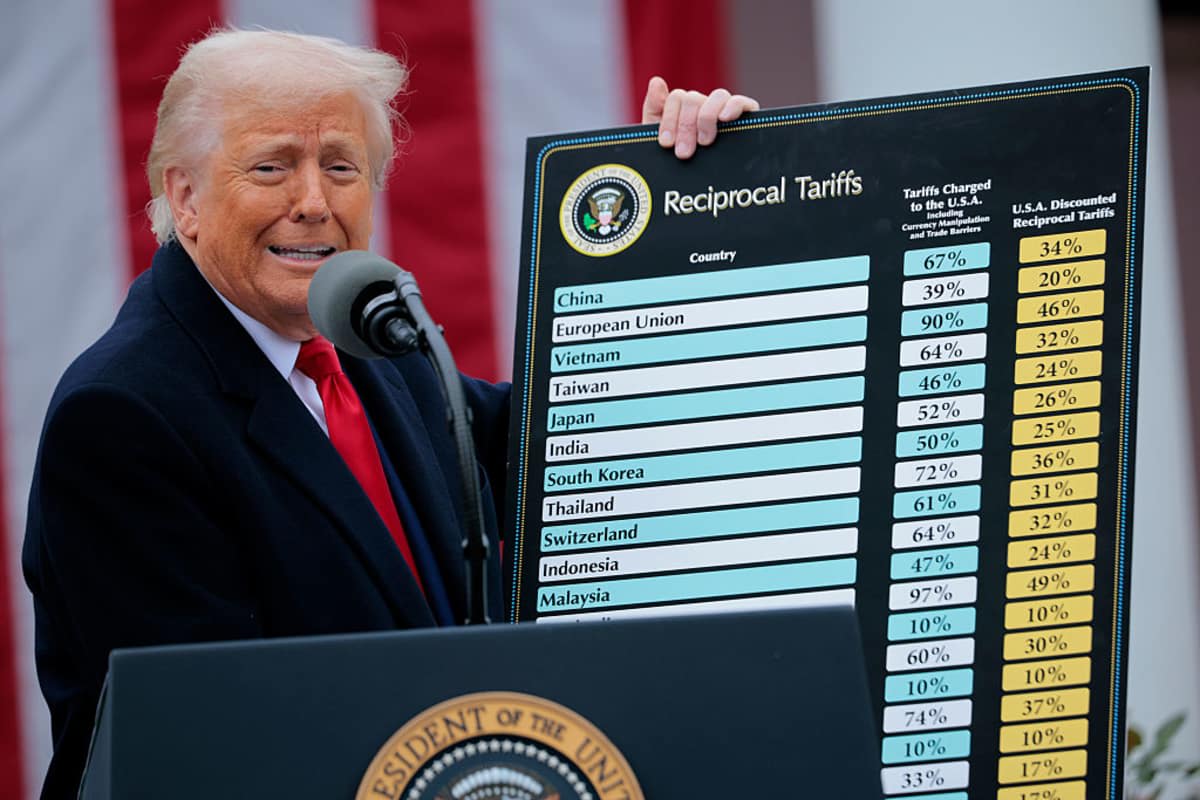
While the Supreme Court, in a landmark 6-3 decision, struck down the tariffs, potentially opening up the opportunity for companies to claim $180 million in refunds, Goldman Sachs recently noted that the decision is unlikely to affect prices anytime soon. In a client note on Sunday, the bank's economist shared that the new levies of 15% that Trump swiftly imposed after the ruling will add 0.1% to core inflation in 2026, and estimated that the effective tariff rate will come down from 10 percentage points in 2025 to 9 percentage points this year. "We would not expect companies to lower prices in response to tariff reductions nearly as quickly as they increased them in response to tariff increases," the economist wrote, as per Business Insider.
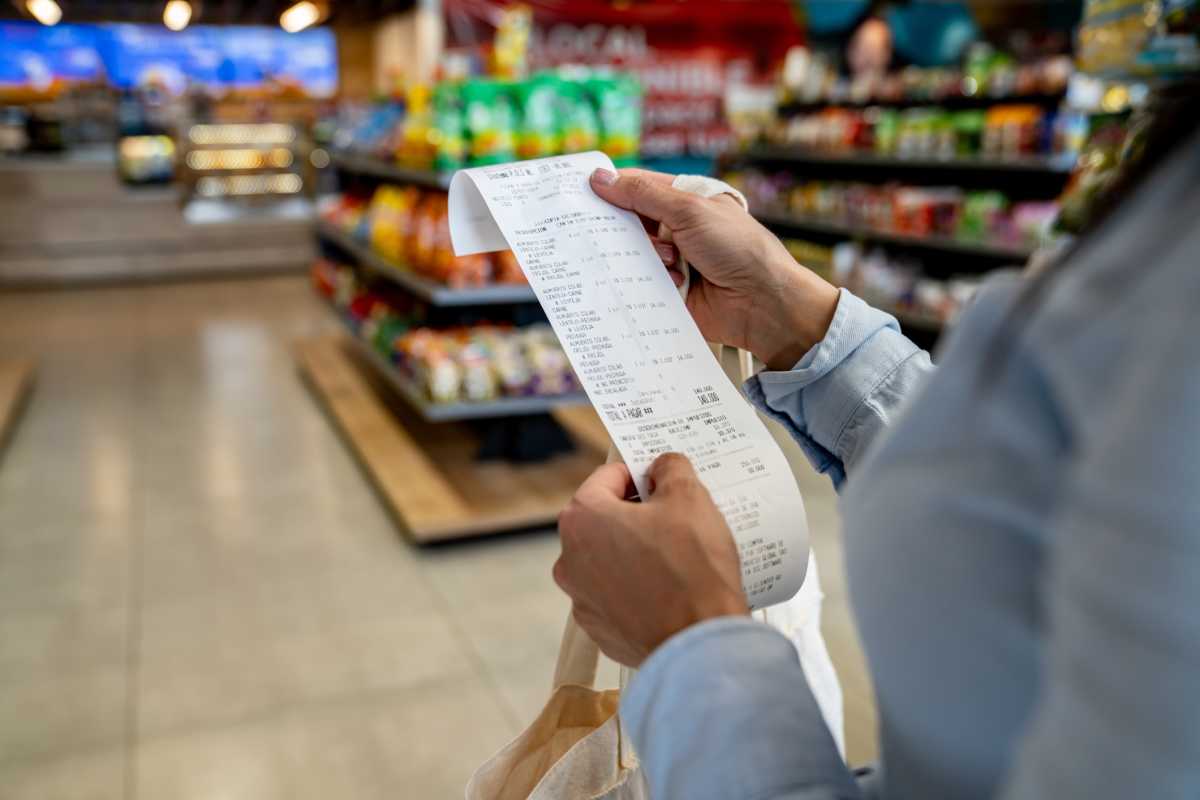
The timing of the cost hikes due to the tariffs coincides with a significant drop in business confidence, as small business expectations for future revenue and employment growth have dropped to the lowest levels since 2020, according to the Fed survey. The declining confidence of small businesses is a bad omen for the economy, as per Fortune, as small firms have historically acted as a measure of economic health.
More on Market Realist:
Expert says Trump's tariffs only benefit him and it will be 'bad for the US economy'
Economists warn delayed tariff refund may cost American taxpayers far more than expected
Many American businesses are set to raise prices on products — thanks to Trump's tariffs