
Bill Gates Advocates for Higher Taxes on Rich Individuals to Promote Economic Equality
Leading a groundbreaking shift, Bill Gates and over 250 affluent individuals advocate for higher taxes on the super-rich.
Jan. 24 2024, Published 3:06 a.m. ET

Bill Gates, a prominent figure in global philanthropy, has long championed the idea of taxing the super-wealthy more heavily. In a significant move, some of the world's most affluent individuals, led by Microsoft co-founder Bill Gates, advocate for higher taxes on the ultra-rich. This call for fiscal reform resonates at the World Economic Forum in Davos and echoes across the globe as more than 250 wealthy individuals join the movement for change.
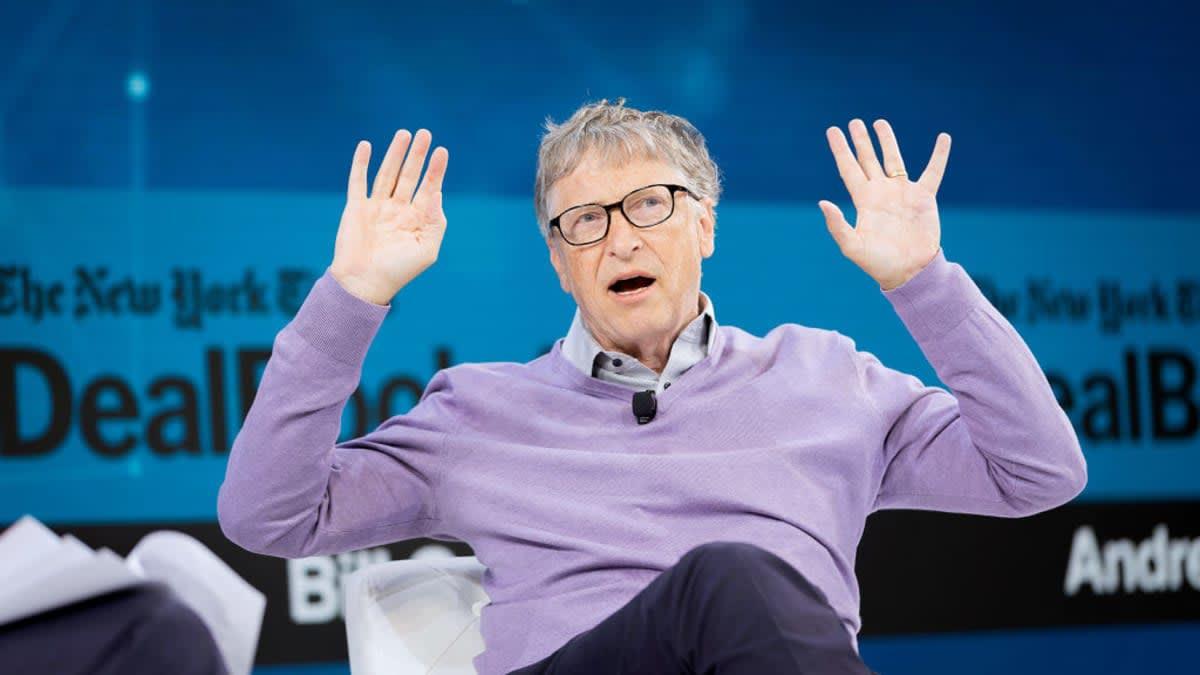
Advocacy for Higher Taxes
Gates' recent statements at the World Economic Forum have brought the issue of economic inequality to the forefront of global discussions. "Those who have the most — whether it's countries, companies, or individuals — should be pushed to be more generous," he said. He emphasized the responsibility of the affluent to contribute more to society, advocating for increased financial aid to developing countries to mitigate global inequality.
The Growing Support
Gates' viewpoint is gaining traction among his peers. An open letter, signed by over 250 affluent individuals, including notable figures like Abigail Disney of The Walt Disney Company and "Succession" actor Brian Cox, supports the imposition of a wealth tax. The letter, candid in its message, states, "Our request is simple: we ask you to tax us, the very richest in society." It calls upon global leaders to heavily tax the wealthiest individuals, asserting that such a measure would not significantly impact their lifestyles or their descendants' futures.
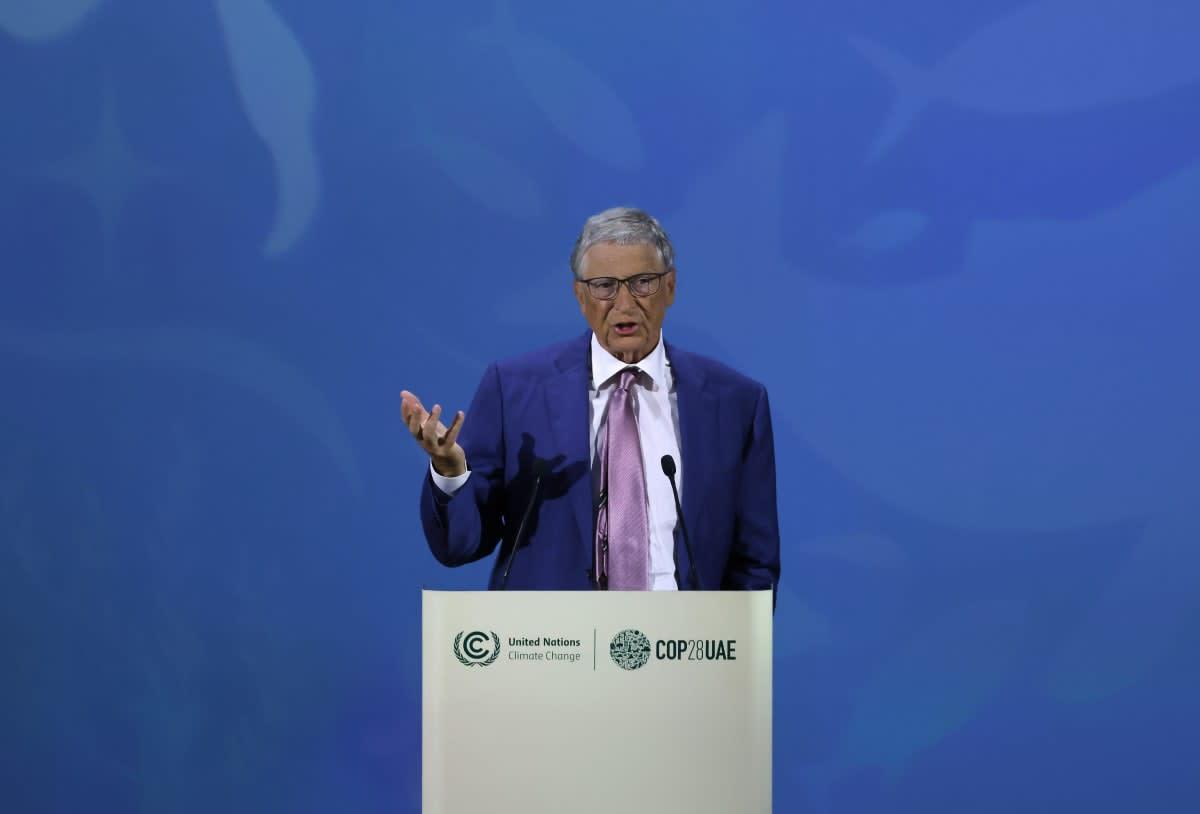
Addressing Economic Inequality and Climate Change
The call for a wealth tax isn't just about fiscal responsibility; it's also tied to broader concerns about economic inequality and environmental impact. The signatories of the letter warn of catastrophic consequences if world leaders fail to address the growing economic divide. "If elected representatives of the world's leading economies do not take steps to address the dramatic rise of economic inequality, the consequences will continue to be catastrophic for society," the letter reads. Disney's note in the report sheds light on the environmental implications of lavish lifestyles among the rich, citing her decision to stop using private jets as a step towards sustainability.
The "Proud To Pay More" Campaign
Accompanying the open letter, a detailed report was released as part of the "Proud To Pay More" campaign. This initiative, backed by groups like Patriotic Millionaires and Oxfam, highlights the willingness of the wealthy to contribute more for the better. The campaign reflects a growing acknowledgment among the rich of their role in addressing global challenges, from economic disparity to climate change.
The movement led by Bill Gates and supported by a growing number of ultra-wealthy individuals marks a game-changing move in the discourse on wealth distribution and fiscal policy. As the world grapples with inequality and environmental crises, the willingness of the rich to pay more taxes could pave the way for significant global change. Once considered unlikely, this paradigm shift among billionaires may well be the catalyst for a more equitable and sustainable future.