
'Shark Tank' founders were called 'greedy' on the show — then they got a 6-figure deal from four judges
It's not every day that a business finds four big investors from
March 27 2025, Published 2:46 p.m. ET

The common belief is that greed isn't good, and entrepreneurs who have asked for too much money have also received some sharp words from “Shark Tank” investors. It's very rare for people to get four sharks on board on the show, and that happens only after a lot of scrutiny and negotiations. But all those odds didn't stop Ellen Hodges and Omayya Atout, founders of Songlorious, from asking for a whopping $400,000 for a 10% stake in the company. They even sang a song for the judges, which was hilarious.
Songlorious specializes in personalized gifts but not material objects like flowers or cards. Instead, the company has a massive roster of freelance musicians who can write a song for a customer who intends to gift it to a loved one. The customer base isn’t restricted to individuals either. The songs can be used in weddings and corporate setups, and this was intriguing for the sharks.

Another reason why they were all excited is the company's numbers. At the time of recording, the founders claimed that they had made $700,000 the year before and $1.1 million year to that point. They even claimed to have two companies as their customers who were frequently asking for new songs to be made every time an employee got a promotion.
Impressed by this, the first shark to get a taste was British investor Peter Jones. He said, “In the UK, I owned a company called Red Letter Days. Basically, it was an experienced company. You could buy a recording for whatever you wanted…very similar. We sold it, and we made a lot of money." Jones then claimed that he would be the perfect partner for Songlorious given his experience and his international reach but asked for a third of the business for $400,000.
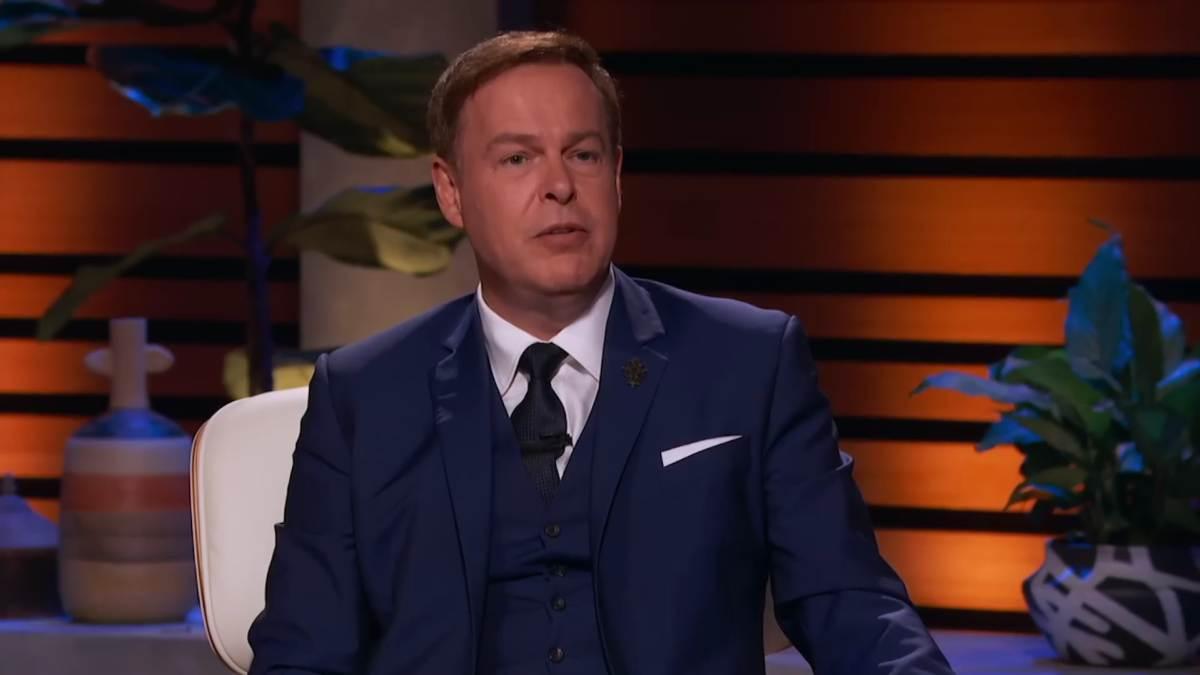
Daymond John, who also has a good connection with the music industry, made an offer of the same money for 20% of the business. While all of this was going on, Kevin O’Leary got up from his chair and spoke to Mark Cuban. O’Leary was intrigued from the moment he heard about having customers in the wedding industry. Cuban, on the other hand, knew more about technology.
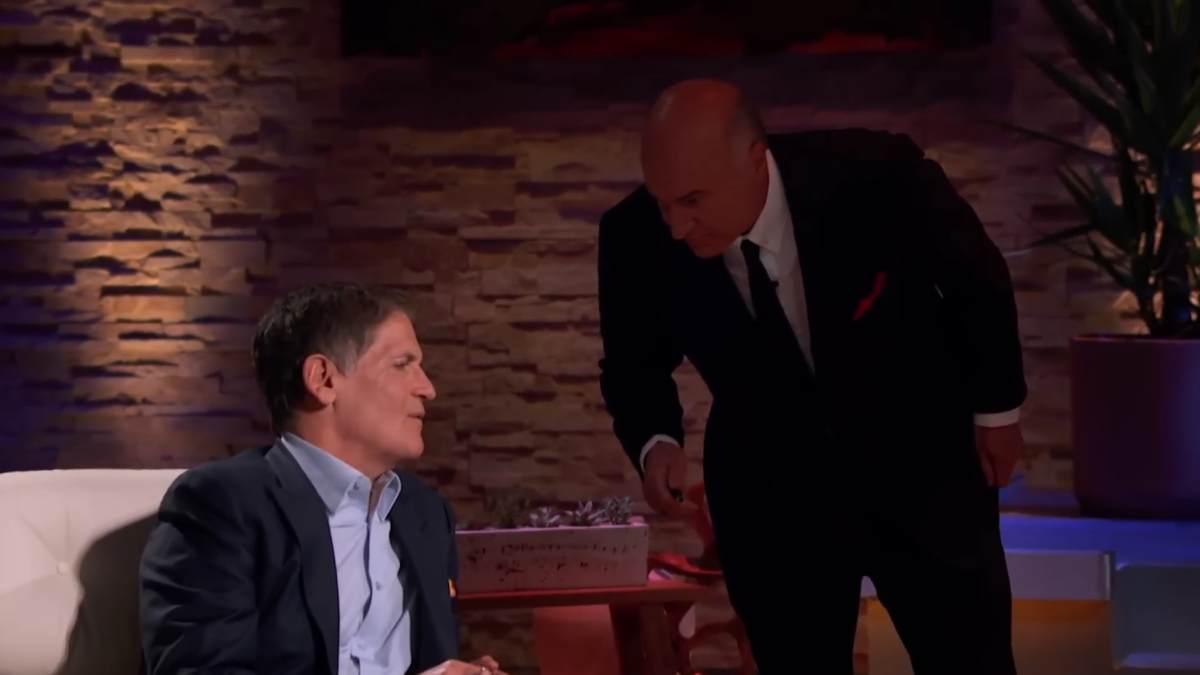
Cuban's firm Synthesia, which specializes in making AI music, can take the voice of anyone and emulate it into the vocals of a full-length song with proper production. O’Leary loved the technology side of things and wanted to partner with Cuban. They offered $400,000 for 25% of the business. However, Mr. Wonderful was also interested in Jones’s access to an international market.
The three of them teamed up to offer the money for a third of the business, but Daymond John would not be left out. He came on board in the end, and the final offer was $500,000 for 40% of the business, split equally among four sharks. The entrepreneurs needed a moment to discuss and came back with a counter. They wanted $800,000 for the same share of the business.
This was too much money, and Jones made it clear. He said, “I think you might be too greedy now. I think you’ve got a good deal at $500,000 for four at 40%.” In the end, it was Mr. Wonderful who brilliantly sold the offer. “If you give us the 40%, we will blow this thing up, and your competitors will be in the dust,” he said. That was all the reassurance that the entrepreneurs needed to close the deal.