Economists warn delayed tariff refund may cost American taxpayers far more than expected

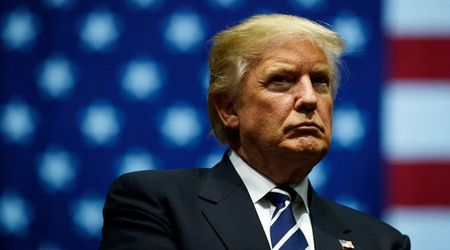
Close to two weeks ago, on February 20, the Supreme Court of the United States strong-armed the President's hopes about exactly how much control he actually has and can exercise. In a landmark ruling, the Supreme Court struck down tariffs that the United States had levied on its trading partners. The apex court reinforced that the tariffs imposed on imports that were invoked under the International Emergency Economic Powers Act (IEEPA) were unconstitutional and that the statute does not authorize the use of tariffs. The president was way over his rights to do so, and only the US Congress has the power to call for such a move.

Since then, the tariffs have been a hot selling point, with many companies wondering if they would ever see the light of day with respect to refunds. The tariffs have raked in close to $175 billion in revenue for the United States, and Trump was banking on this amount to keep up his campaign promises of rebates and refunds, even going so far as to say that soon, income taxes would cease to exist as tariffs would be the alternative that eases the burden of taxpayers. As per a report in Newsweek, economists have thrown caution to the wind with foresight on the havoc these refunds would wreak on taxpayers if they were to be delayed.

The free-market-oriented Cato Institute published a recent analysis in which it claimed that sitting on $175 billion while the Trump administration reneges on its promises of a refund is costing the U.S. $20 million per day. The month-on-month liability from compounding this interest comes up to $700 million per month, a cost not worth bearing just through delays. We'll break this down. After the court's decision is announced, it takes 32 days from the date of the order for the court to send this decision to the Court of Appeals for the Federal Circuit, wherein multiple companies across the globe have lined up as plaintiffs to request the court to expedite the case of refunds by remanding it to the Court of International Trade.

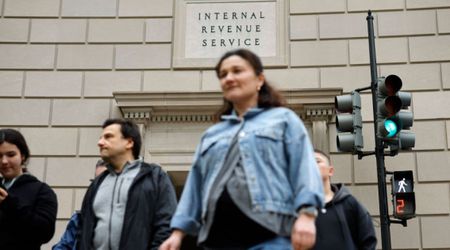
Adding to the 32-day customary period, the government's lawyers have requested a 90-day pause on this initial process by the CAFC. So by the time the case comes to the Court of International Trade, it would be June 22, approximately. Interest compounds at an annual rate of 4.5% - similar to the IRS's compound rates on overpayments above $10,000. Calculations based on this roughly put the interest accrued per month at $700 million. Just through this 120-plus-day delay that the government has been pushing for, taxpayers will have approximately $3 billion in interest on their hands.
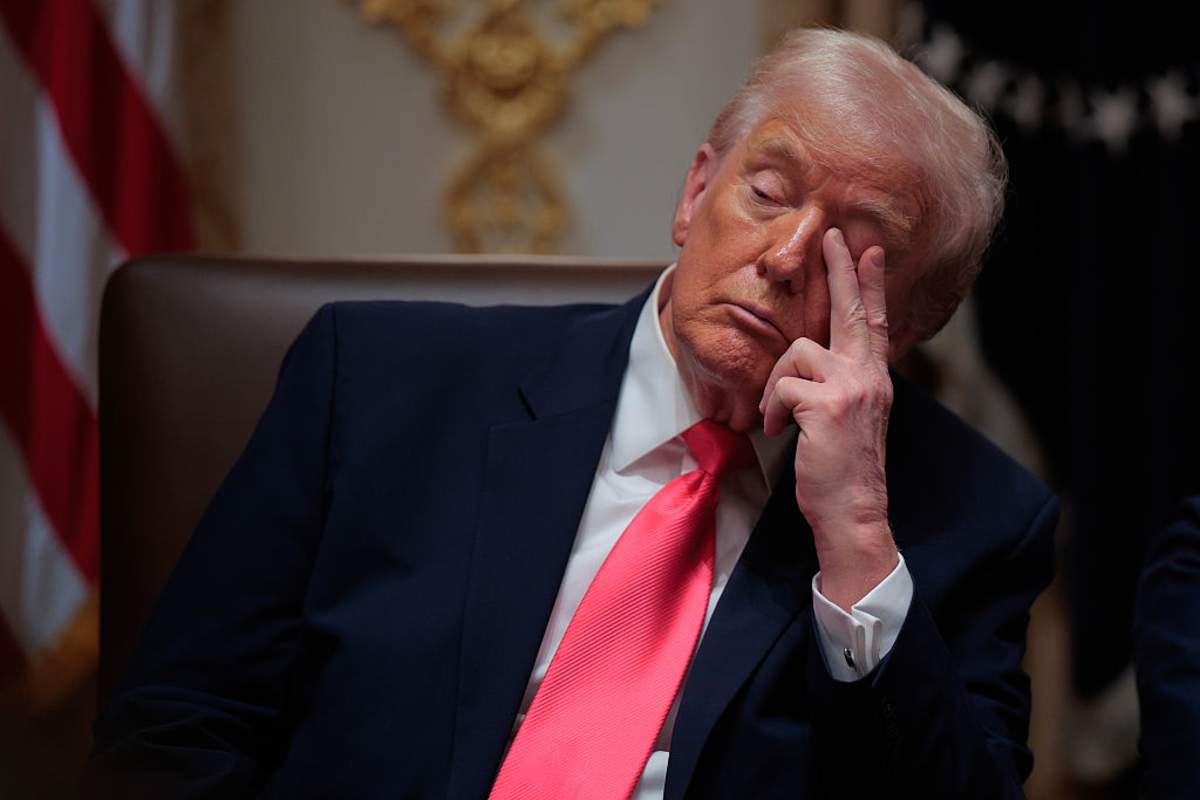
And if we were to go by the President's words and literal strategy to drag this refund issue in courts until the end of his term, then the American public will have about an extra $23 billion that they owe importers. The question begs: Is delaying refunds the right way to go about it? Having painted this grim picture, we also bear some news of relief. The request by the administration's lawyers to pause any action regarding tariff refunds for 90 days has been rejected by the CAFC. So if President Trump were to put his mind to it in the best interests of taxpayers who have not yet been passed on the entirety of the tariffs by some companies through price hikes, tariff refunds processed at the earliest could salvage this quagmire that the U.S. has found itself in.
More on Marketrealist:
Trump believes AI can recreate the 1990s economic boom — but experts aren’t fully convinced
Millions of unemployed Americans face surprise tax bills since benefits count as taxable income
Expert warns AI’s biggest issue isn’t the mass layoffs — but something way more dangerous