Seniors who receive Social Security benefits to get a 'bonus' tax deduction — key details

With the tax filing season underway, millions of Americans aged 65 and older could get a boost in refunds under a new $6,000 deduction. Seniors who receive Social Security benefits will get a "bonus" tax deduction this year, which can increase refunds by $670 or more on average per person, according to analysis from the Council of Economic Advisers. The new $6,000 deduction goes into effect for the 2025 tax year and will continue until 2026, for about 70 million Americans across the country.
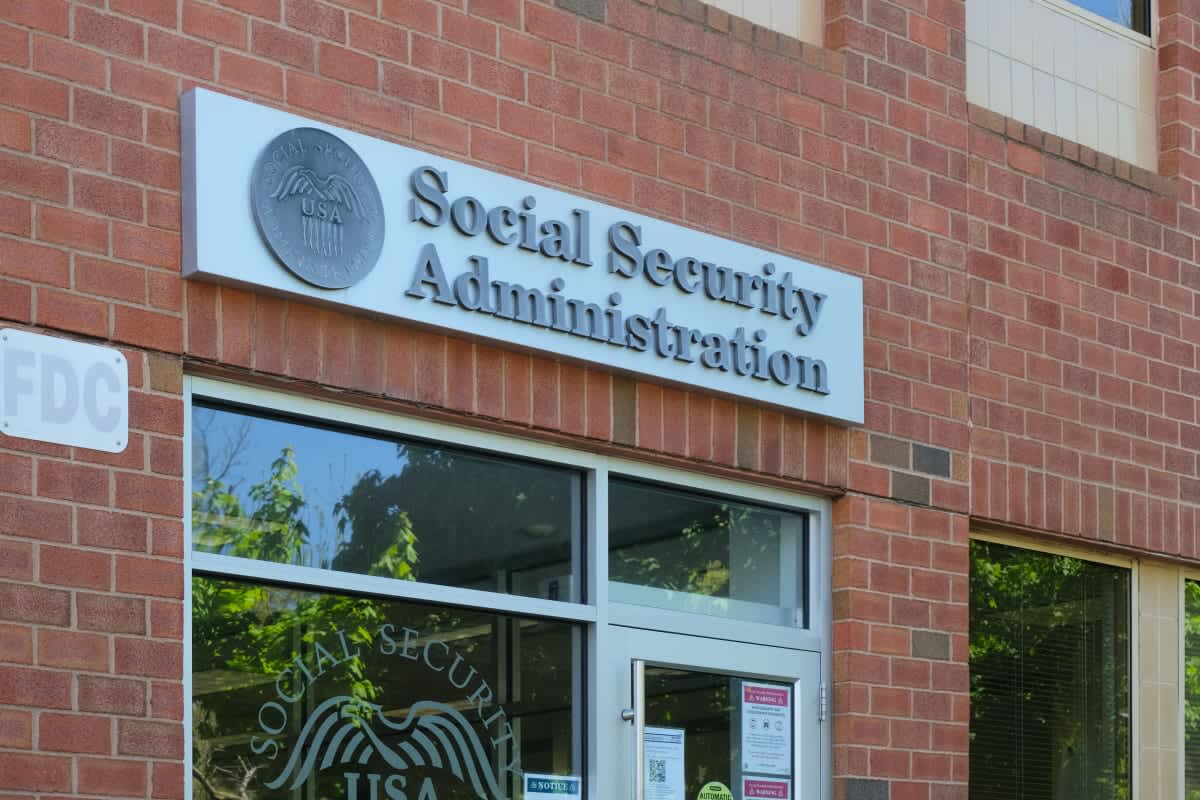
Under President Donald Trump's One Big Beautiful Bill Act, a new temporary senior “bonus” or deduction of up to $6,000 was introduced for every qualifying individual receiving Social Security benefits. The deduction applies to taxpayers 65 and over, regardless of whether they itemize their tax returns or choose to take the standard deduction. For married couples, filing jointly, the deduction goes up to $12,000. Seniors will get the full $6,000 deduction if their modified adjusted gross income comes out to be below $75,000 or $150,000 for joint filers.

Beyond the specified income range, the deduction is phased out by six cents for every $1 above the thresholds, and for single filers earning over $175,000 and joint filers earning over $250,000, the deduction is completely phased out. To qualify for the deduction, seniors with the correct income level will need to have a Social Security number valid for work, and those married but filing separately will not qualify at this time, as per Newsweek.

While retirees may not have taken advantage of the break since it was implemented last year, the next three years of planning will be key, experts say. The extra $6,000 could dramatically reduce the taxable income of many retirees who rely on Social Security and pensions for survival. The Council of Economic Advisers, an agency within the Executive Office of the President, projected that about 33.9 million seniors may qualify for the new senior deduction, and they could get $670 per person in extra after-tax income. "This provision was included in the OBBBA and allows seniors to stack this deduction on top of the standard deduction and the existing senior deduction. In many cases, that can push total deductions north of $46,000, eliminating the need to itemize altogether," Kevin Thompson, the CEO of 9i Capital Group, told Newsweek.

However, according to the American Association of Retired Persons, about 22% of seniors in the qualifying tax bracket, or people earning roughly between $44,000 and $75,000, could save as much as $1,320 per person. "The benefits could be vast. The bonus deduction will run through 2028, that is, four years of immediate relief at a time when older Americans are facing really high costs," Bill Sweeney, AARP's senior vice president of government affairs, said in a conference call on Thursday, as reported by CBC News. However, the AARP expressed concern for those seniors who aren't aware of the deduction, as the filings started last month.
More on Market Realist:
Americans to get thousands more in tax refunds this year — residents of these states are eligible
IRS watchdog warns American taxpayers may face 'greater challenges' amid recent issues
IRS has introduced a free tax filing program this year — here are the key details