
Elderly People are Being Targeted by Phantom Hackers; Here's all you Need to Know About the Fraud
Seniors and their hard-earned savings are the primary targets of the 'Phantom Hacker' scam, as cautioned by the FBI.
Nov. 28 2023, Updated 6:05 p.m. ET

Dennis Shockey's daily routine included logging onto his computer after breakfast, much like any other morning. Little did he know that this seemingly routine act would lead the 80-year-old retiree and his wife, Joy, on a harrowing journey, involving a month-long swindle targeting elderly people, that drained their lifetime savings worth $170,550.
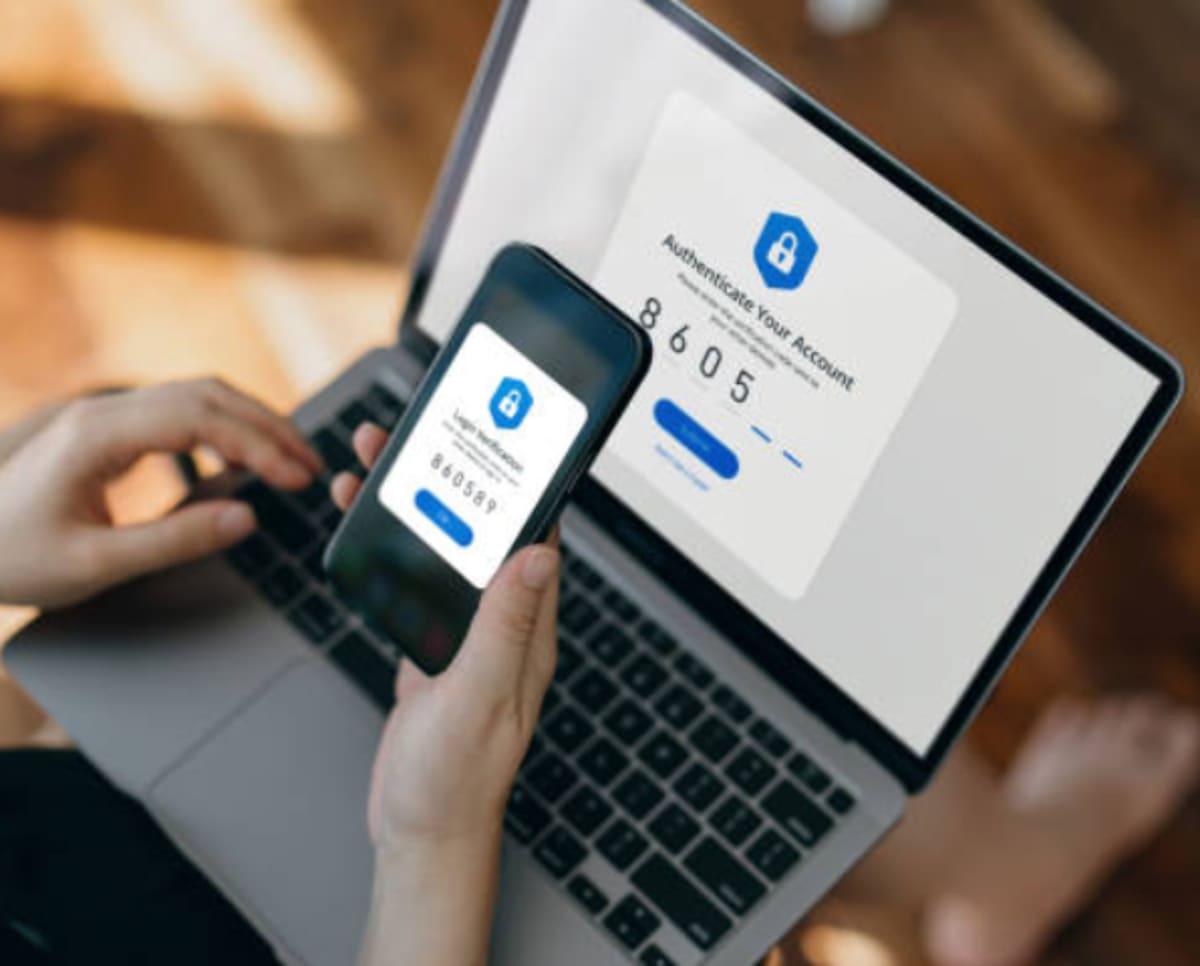
Blowing the lid off the Phantom Hacker scam
The couple's ordeal is linked to what the FBI has labeled the "Phantom Hacker scam," a sophisticated and more layered iteration of the traditional tech support scam. This scam, the FBI warns, specifically targets elderly people and their hard-earned savings. Alarming statistics reveal that in the first half of the current year, the FBI received approximately 19,000 complaints related to tech support scams, collectively siphoning off more than $540 million.
For the Shockeys, the nightmare commenced when Dennis's computer screen got locked, and a menacing warning message surfaced, displaying a phone number he believed was associated with Microsoft.
On the other end of the line was a woman who identified herself as Jessica, exuded kindness, appeared genuinely concerned, and proved to be highly persuasive. Over the next 30 days, Dennis found himself conversing with not one, but two imposters. First was Jessica, who posed as a Microsoft representative and convinced him that foreign hackers were compromising his system. She assured him that she could rectify the situation if he granted her remote access to his computer.

A complex tech scam
As Shockey followed Jessica's advice and checked his financial accounts, a new imposter named Rick Taylor, entered the story. Claiming to represent the bank's fraud department, Taylor informed Shockey about suspicious account activity in the early hours.
He began to worry, a response that scammers often exploit to push victims to act urgently. The imposters took their deception further, guiding Dennis to move his savings from two different financial institutions into what they claimed was a secure cryptocurrency account. They even provided him with a scripted response to use in case bank employees asked questions.
Lost savings
The Shockeys were promised their $170,550 would be returned through three checks on a specific date. However, as the date passed, Shockey tried calling Jessica, but received no answer. Eventually, he broke the news to his wife that they had fallen victim to a scam.
In their efforts to cover expenses, the Shockeys sold their cars and received support from relatives through a gofundme.com campaign.
Despite losing their nest egg, the deeply faithful couple maintains their belief, finding strength in their faith. Microsoft's official stance on its website confirms that they do not engage in unsolicited communication to request personal or financial information or offer technical support. They also make it clear that their error and warning messages do not include phone numbers.

Expert advice
Fraud experts advise against giving remote computer access to strangers and suggest verifying phone numbers, avoiding pop-up calls, and refraining from wiring money to unknown individuals. Trust your instincts, and if something feels wrong, talk to someone you trust. If someone insists on secrecy, reach out to a trusted friend. For assistance, call the AARP Fraud helpline at 877-908-3360.