Many American businesses are set to raise prices on products — thanks to Trump's tariffs

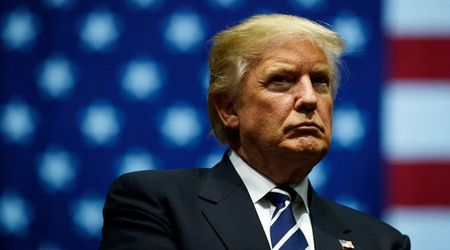
After months of debate about 'reciprocal tariffs' implemented by President Donald Trump, the Supreme Court has struck them down and called his move illegal. In the wake of this, Trump announced 10% tariffs on the nations. Thus, creating an imbalance in the economy, due to which a growing number of American businesses have planned to raise their prices in recent months, making it more difficult for them to extract business out of financially burdened customers.

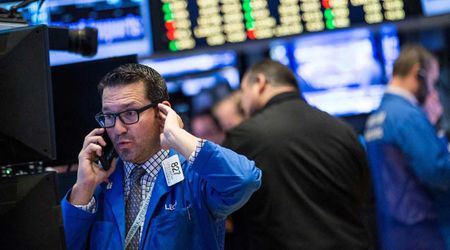
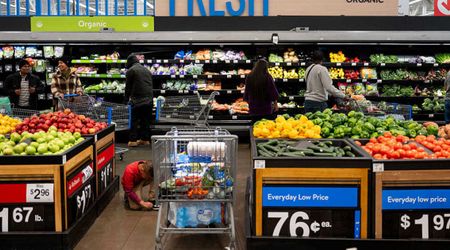
According to a recent Website Builder Expert poll, 48% of small and medium-sized businesses (SMBs) are expected to raise prices during the next six months, up from 36% the year before. According to researchers, this shift is a result of business owners trying to save internal expenses. “With unstable tariff shifts, rising inflation, and tax fees hitting businesses hard, it is becoming increasingly difficult to plan ahead financially, as these shifts are becoming too unpredictable,” research executive Olivia Masson told Newsweek. “In order to stabilize operational costs, SMBs are turning to a strategy within their full control: raising prices for customers,” she added.
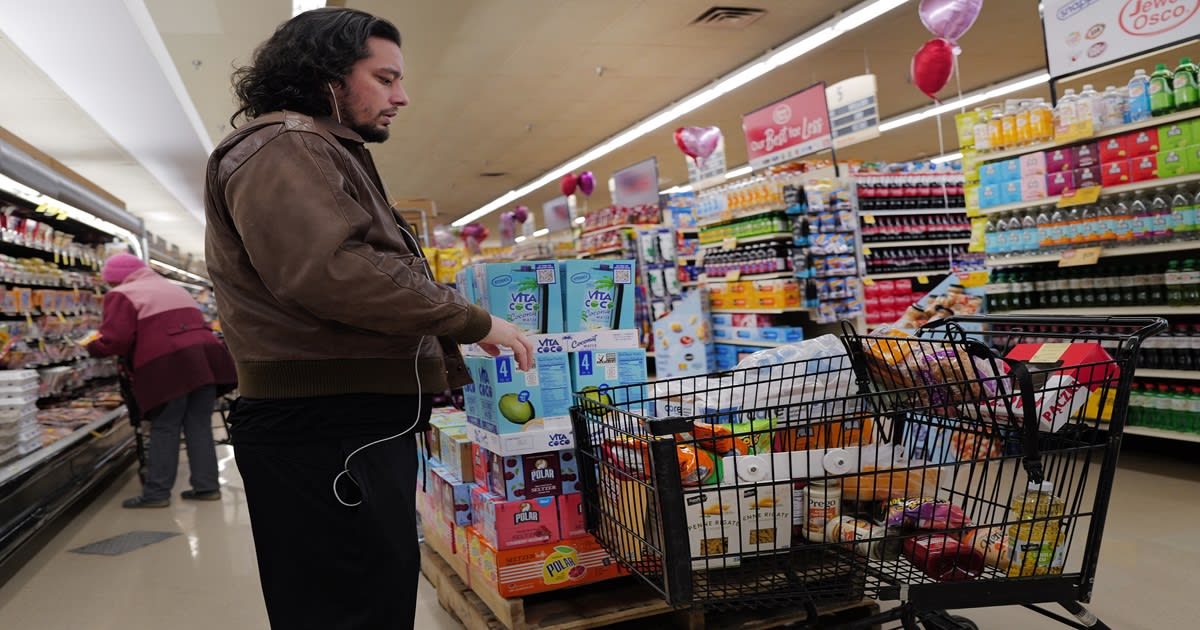
The move, in a way, will deal with economic uncertainty and growing labor and living expenses. According to a poll of more than 300 companies, 17% plan to increase prices by 8–12%, 80% are thinking about lesser increases, and 3% are not sure. To prevent going over what customers can afford, businesses must strike a balance between pricing hikes and client budgets. Meanwhile, Website Builder Expert noted that while raising prices could protect profit margins, it could also mean losing out on a loyal customer base to rival businesses. Additionally, 25% of companies surveyed expressed concerns about increasing the price of their products.
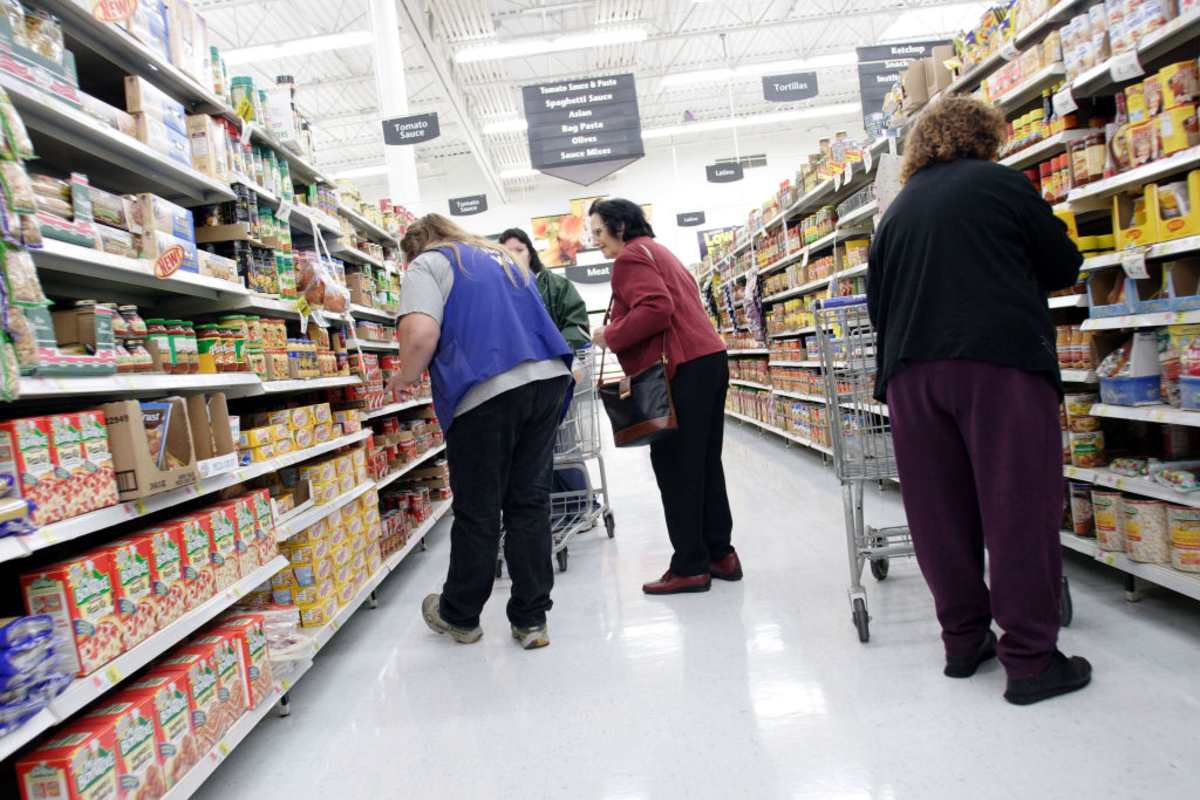
“While SMBs are being hit by these economic issues, so are their customers. The challenge for businesses is justifying the increased cost of their services. This is what leads businesses to offer personalized, high-impact support—they must find and prove alternative value, which can justify raised prices, and still entice cost-conscious consumers. This is SMBs' means of maintaining loyalty within their customer base," Masson stated.
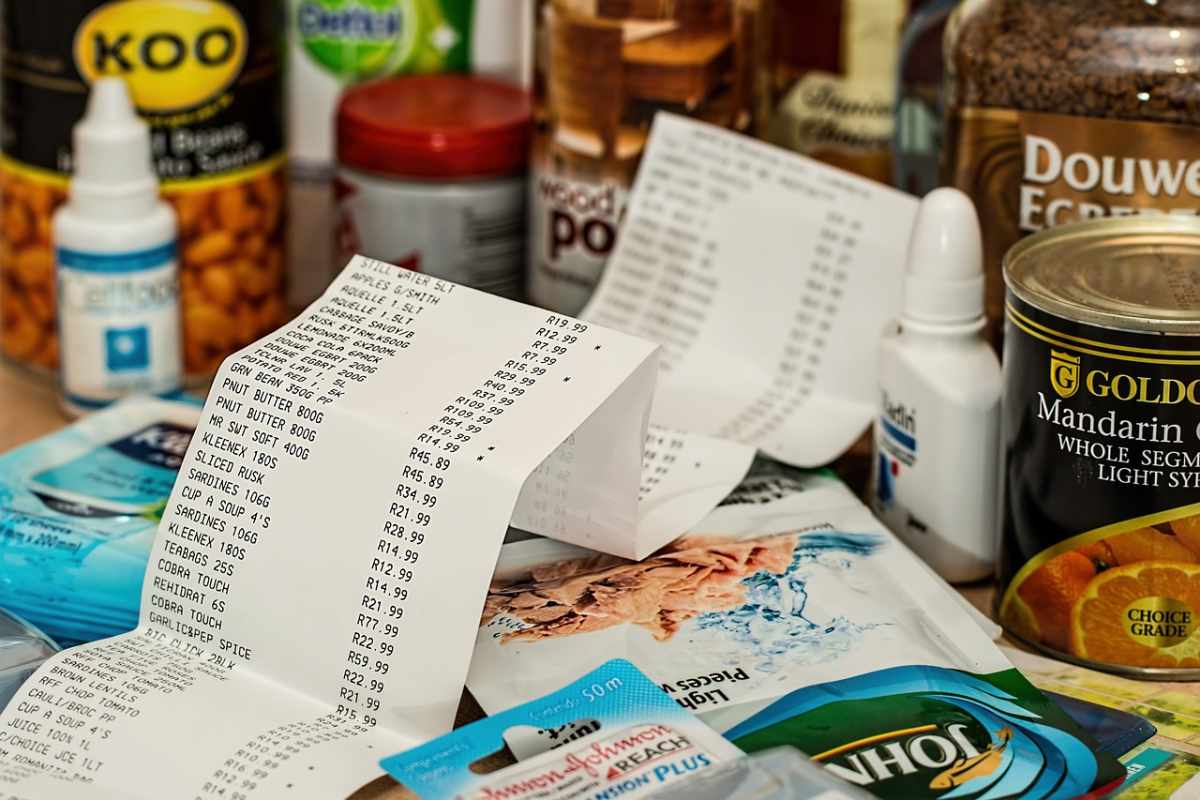
Similarly, a Vistage poll indicated that many American companies expected pricing rises as a result of CEO uncertainty about the state of the economy. This survey was carried out before the Supreme Court decided to overturn the majority of Trump's international tariffs. The business sector applauded this decision because it resulted in lower import taxes and possible reimbursements for the tariffs from the previous year. Over 200,000 small business importers will benefit economically from quick reimbursements, according to Neil Bradley of the U.S. Chamber of Commerce, who highlighted this decision as helpful for companies dealing with cost increases and supply chain problems.
More on Market Realist:
Trump's tariffs quietly forced 700 American companies to file for bankruptcy in 2025
The price of beef has surged under Trump's presidency — and tariffs are to be blamed
Trump's tariffs are hurting American consumers more than exporters— here's how much they're paying