FedEx confirms it will reimburse customers if the Trump admin provides tariff refunds

The Supreme Court has ruled that Trump's tariffs are illegal, and that opens doors for companies to claim refunds for the costs they had to bear because of the levy. But common American consumers were the ones who had to foot most of the bill for tariffs, by paying costs passed down to them by importers, and they may never receive refunds.
FedEx is one of the companies that has filed a lawsuit against the Trump administration seeking a "full refund" following the Supreme Court ruling that deemed certain reciprocal tariffs illegal. The company claimed it has incurred high costs, estimating up to $1 billion in losses from these tariffs by 2026. Meanwhile, FedEx has announced that if the Trump administration offers tariff reimbursements to the company, it will pay it back to the customers for any tariff charges incurred. "If refunds are issued to FedEx, we will issue refunds to the shippers and consumers who originally bore those charges," FedEx stated. "When that will happen, and the exact process for requesting and issuing refunds will depend in part on future guidance from the government and the court," it added.
"FedEx has taken necessary action to protect the company's rights as an importer of record to seek duty refunds from U.S. Customs and Border Protection following the U.S. Supreme Court's ruling that the tariffs issued under the International Emergency Economic Powers Act (IEEPA) are unlawful," the company told CBS News. However, refund procedures for companies that were assessed tariffs under the International Economic Emergency Powers Act last year were not covered by the verdict. L'Oreal, Dyson, and Bausch + Lomb are among the other businesses requesting reimbursements.
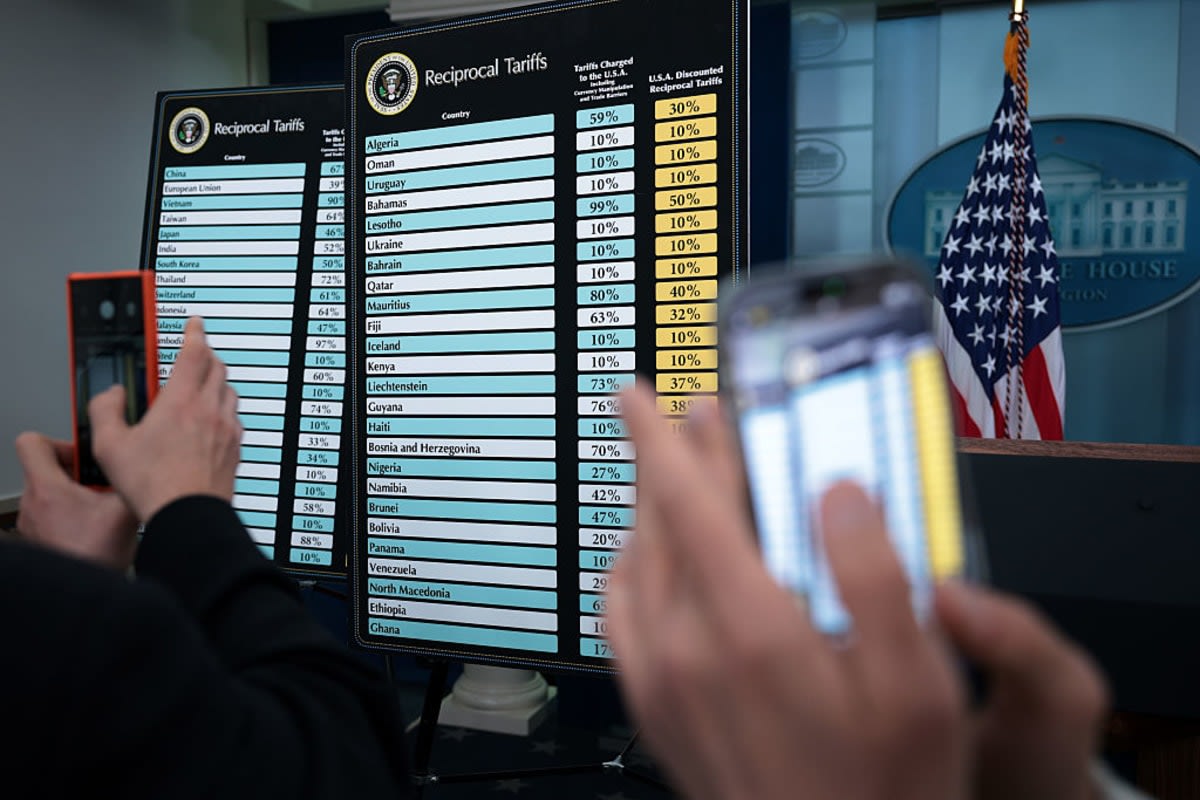
According to legal experts, the conflict can drag on for years. The government is expected to respond on Friday to requests filed by the Liberty Justice Center to create a refund procedure. According to estimates from the Tax Foundation ($150 billion), the Penn-Wharton Budget Model ($175 billion), and JPMorgan ($150 billion to $200 billion), the federal government collected between $150 billion and $200 billion under the IEEPA tariffs. Hence, tariff refunds may now apply to this collected revenue.
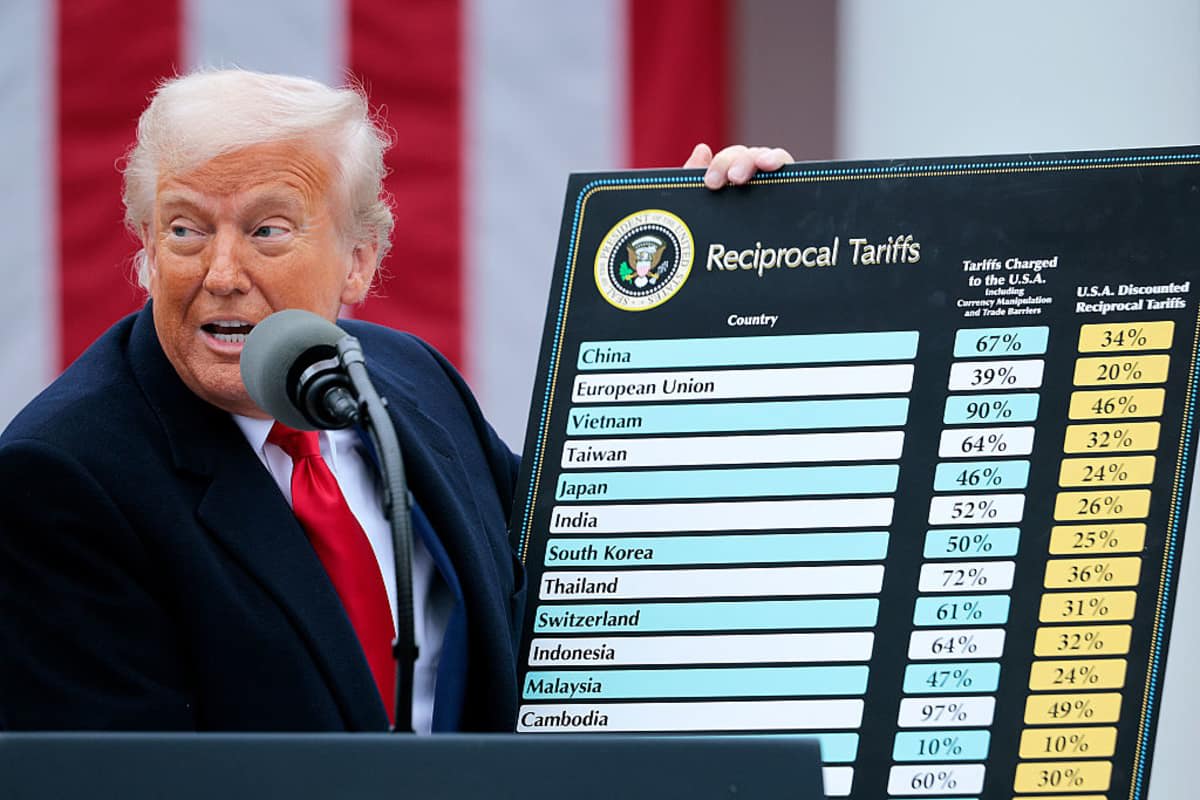
Following the Supreme Court's decision to overturn the IEEPA taxes, the case is returned to lower courts in the hopes of reaching a settlement that would allow tariff payers to receive their money back. A lawsuit in the U.S. Court of International Trade or an appeal to U.S. Customs and Border Protection, which manages tariff collections for the Treasury Department, are other options for requesting tariff refunds.

Meanwhile, a Federal Reserve Bank of New York analysis showcased that 86% of the tariff burden was borne by American consumers and businesses, while 14% was borne by overseas exporters. This represented a drop from 94% in the first few months of 2025 to 92% in the following months. Similarly, according to a Congressional Budget Office report, 95% of tariff expenses went to American businesses and consumers, with overseas exporters bearing around 5% of the cost, Fox Digital News reported.
More on Market Realist:
Americans will feel the real impact of Trump's tariffs as economy looks grim in 2026
Trump's tariffs are hurting American consumers more than exporters— here's how much they're paying
Costco sues the Trump admin over tariffs — wants 'full refund' for costs it incurred