Oil price hike sparked off by the war could make life more expensive for Americans

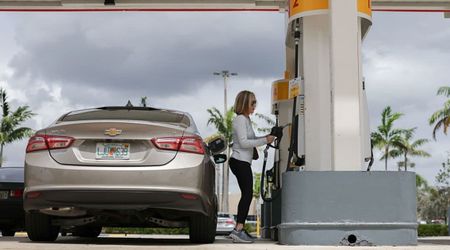
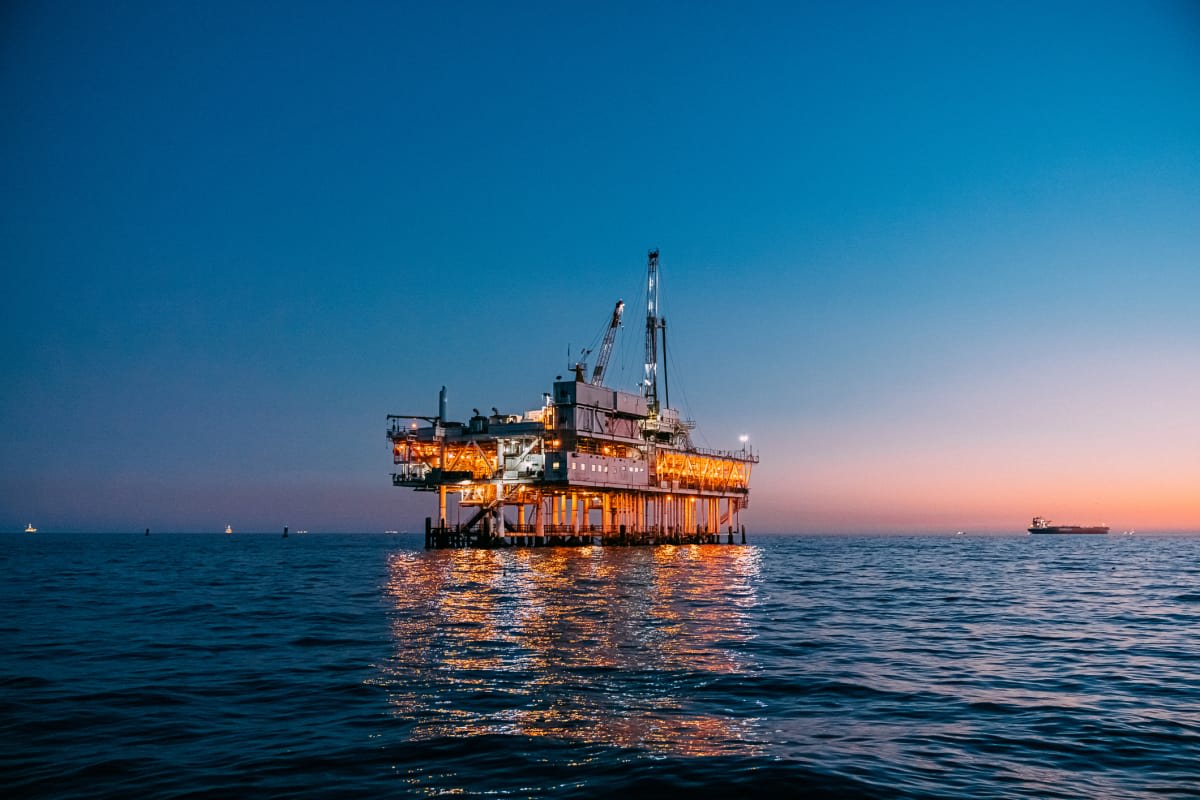
Inflation has been eating into savings and forcing Americans to live paycheck-to-paycheck for the past year. But just as things seemed to be cooling down, another inflation is looming over the American market with oil prices soaring after the Iran war. Although reports of the International Energy Agency's decision to release 400 million barrels of oil to stabilize the market allayed inflation concerns momentarily, the US consumer could still see a bump in prices this month for several reasons.
Oil prices went down to less than $90 a barrel after The Wall Street Journal reported on Tuesday that the IEA has decided to authorize its largest release of oil reserves yet, which is almost twice the number of barrels released during the Russian invasion of Ukraine. This promised to keep increasing consumer prices in check as oil prices skyrocketed beyond $100 a barrel, but oil reserves won't be enough.

Iran has continued its embargo on the Strait of Hormuz, which has affected a huge chunk of the world's energy supply. Tehran won't stop leveraging this pressure point as long as it has control of the region and as long as the war continues. Hence, consumer prices are bound to increase in March unless a ceasefire is declared.
However, the Consumer Price Index (CPI) data for February, set to be released on Wednesday by the Labor Department, wouldn't bear the brunt of the war. The effect of Trump's sweeping tariffs, which were later struck down by the US Supreme Court, could, however, make a dent in the inflation data from the Labor Department.
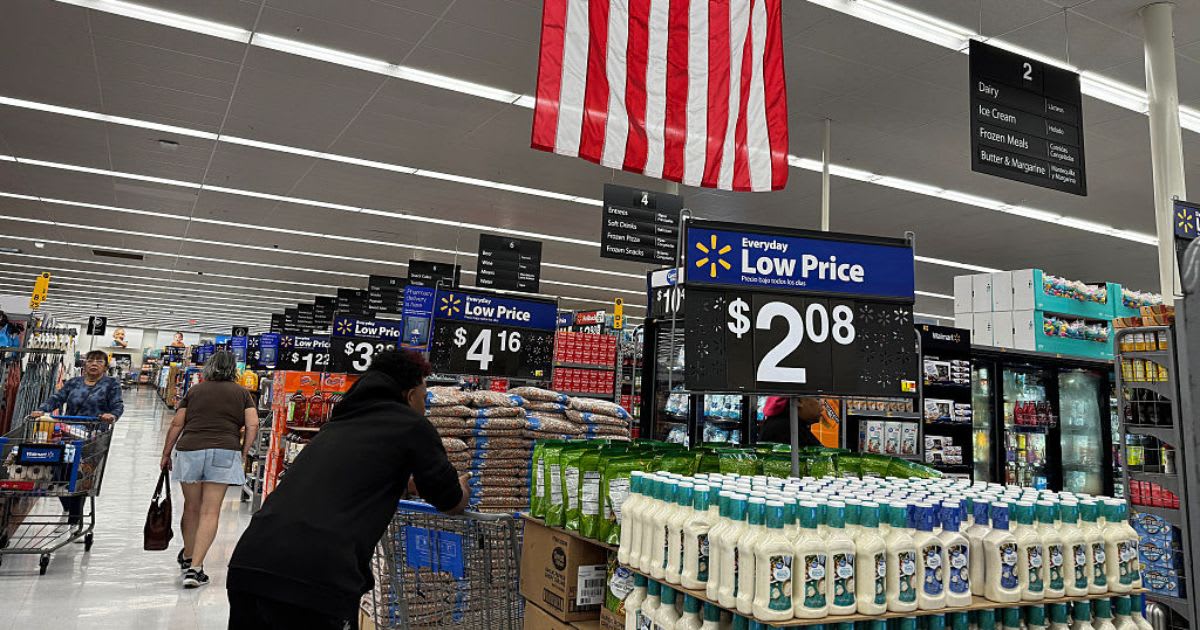
Predictions from a Reuters survey of economists suggested that "The CPI likely increased 0.3% last month [February] after climbing 0.2% in January. Estimates ranged from a 0.1% rise to a 0.3% increase." Another Labor Department report earlier this month revealed that the economy lost 92,000 non-farm payrolls in the month of February. So there is pressure on the Fed to cut interest rates to boost the economy. A favorable CPI can influence the Federal Reserve to make a decision. However, it seems very unlikely as the Iran war paints a picture of economic uncertainty in the near future.
The bottom line is that oil prices will dictate the value of everyday commodities in the American states. The barrels from oil reserves can't stave off inflation indefinitely. A lot depends on the trajectory of the war in the Middle East. If US forces take control of the Strait of Hormuz, the shipments carrying oil from countries like Saudi Arabia will once again be able to access the routes to Asia, Europe, and North America.
Oil prices fell drastically following Energy Secretary Chris Wright’s social media post that the US Navy had successfully escorted a tanker through the Strait of Hormuz. Even though the information later turned out to be inaccurate, the effect of the post shows how important that region is to stabilize the economy.
More on Market Realist:
The US is 'woefully underprepared' for a recession due to mounting debt, warns CRFB
Former Obama advisor reveals the impact of Middle East crisis for low-income Americans
Trump's latest move has led to a surge in gas prices — but his administration says don't panic