Trump believes AI can recreate the 1990s economic boom — but experts aren’t fully convinced

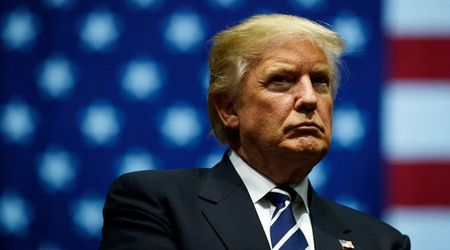
President Donald Trump and his pick for Federal Reserve Chair, Kevin Warsh, both have been resting their bets on Artificial Intelligence for U.S. economic growth. While the president has taken several measures to deregulate AI and incentivize companies to invest, Warsh recently claimed that the revolutionary technology can spur massive growth that won't be inflationary in nature, which in turn will allow a series of rate cuts. While the picture painted is rosy, not all experts and economists agree that things will pan out as per plan.

“The administration is offering a rather distorted version of what actually happened in the 1990s,’’ economist Dario Perkins of TS Lombard recently said in a commentary, referring to the productivity boom that the internet brought in the 1990s, AP News reported. Warsh has repeatedly mentioned in his speeches that the AI-driven productivity boom will have a similar effect on the economy, and unlike Fed Chair Alan Greenspan, economists need to look beyond the data to gauge the trend.
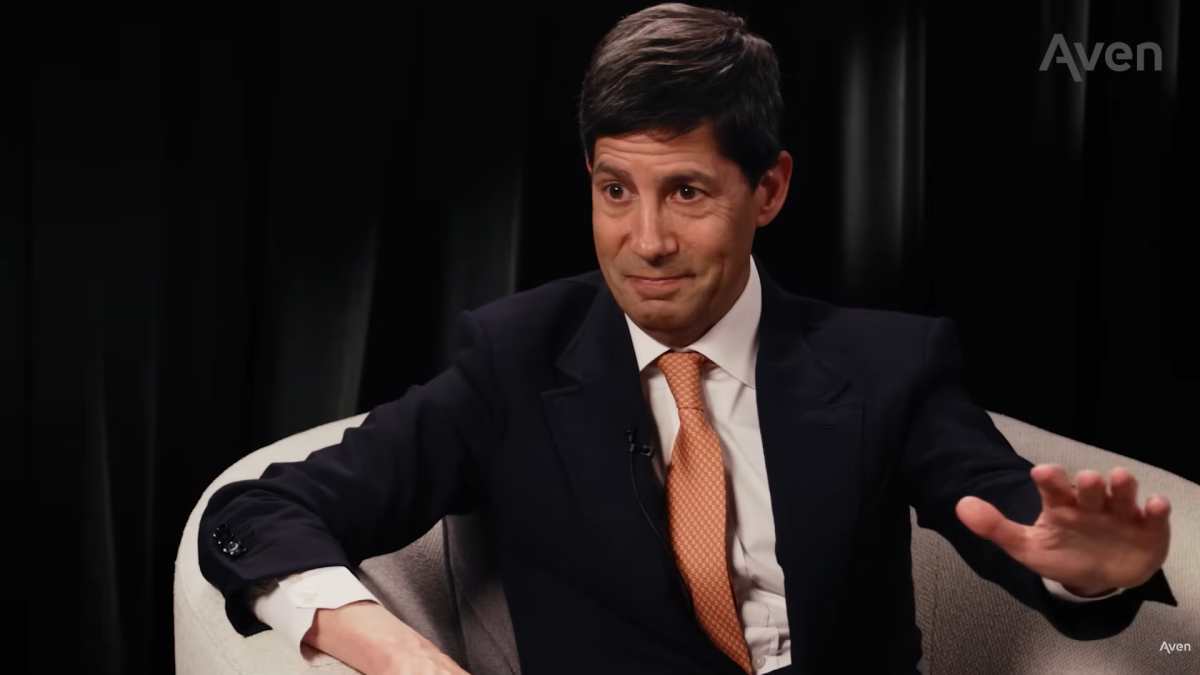
In a January 30 interview with Sadi Khan, CEO of Aven Financial, Warsh said AI is ushering in “the most productivity-enhancing wave of our lifetimes — past, present and future,” adding that the gains will be “structurally disinflationary,” like the internet. Suggesting the Fed may have a clear path to continue lowering rates, Warsh said, "I think inside of a year, we're going to see the best of our companies do things that are unimaginable, pick up margins and market share, and it'll probably be a while until that's broadly distributed," adding that economists will need to consider anecdotes instead of data to get the full picture.
However, as per Perkins, the U.S. economy is being held up not by productivity but by investment in AI and its data centers, and if companies fail to monetize these investments, the consequences would be dire. “AI investment would plunge, and that would seriously undermine the earnings of companies like NVIDIA (NVDA),” he told Seeking Alpha, noting that “the fallout for the economy should be less extreme” as it is an “un-leveraged bubble” unlike property market bubbles.
But, at the center of Warsh's agenda is AI productivity gains, which, according to many economists, will be magical as more companies integrate new machines that help workers become more efficient and produce more material per hour. The proponents of the motion argue that such gains will allow companies to raise wages without raising prices. The arguments do seem to hold up as U.S. productivity looked strong in the second and third quarters of 2025, and bigger gains are expected to come this year. However, not everyone is convinced that it is AI that is behind the productivity gains.
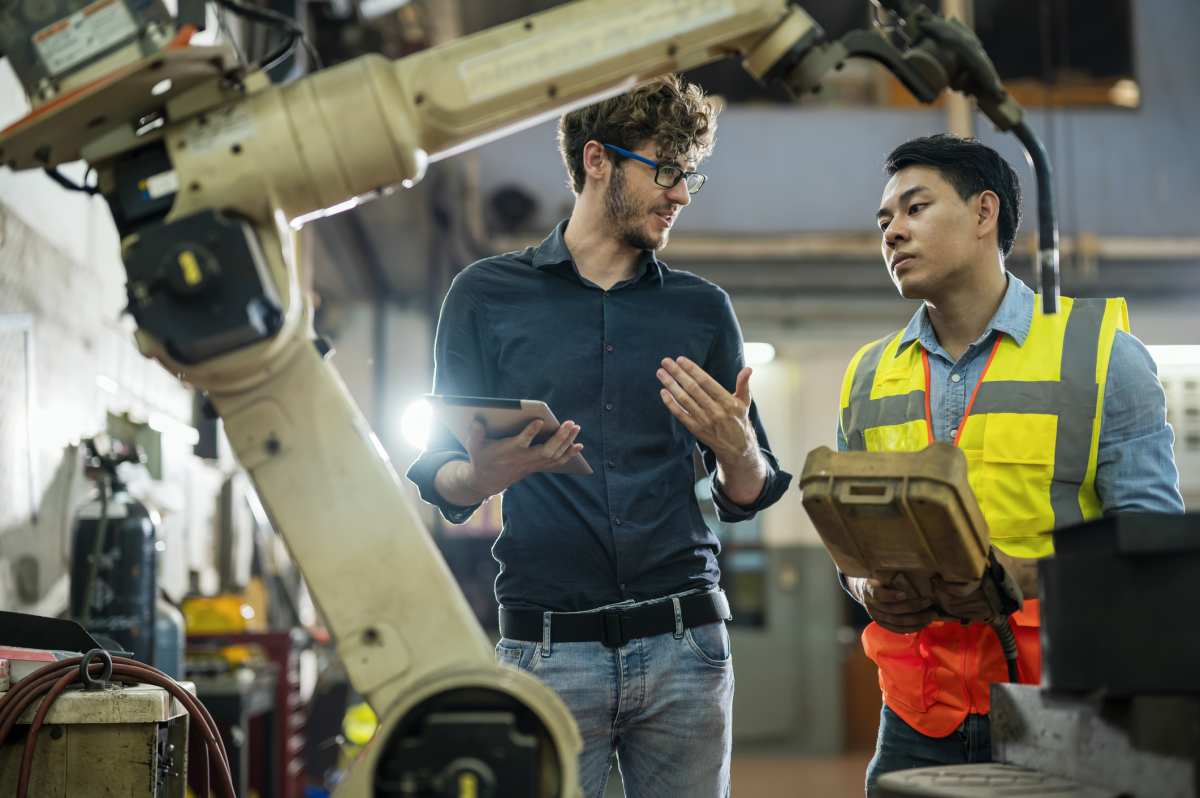
According to Joe Brusuelas, chief economist at the consulting firm RSM, the 2025 productivity gains were "not because of artificial intelligence’’ but due to the investments that companies made in automation during the COVID-19 pandemic when there was a labor shortage. “Those investments are starting to pay off,’’ Brusuelas wrote in her piece, as per AP. Furthermore, Martin Baily, an economist and senior fellow emeritus at the Brookings Institution, added that AI will need a long time to have a big impact on the nation’s productivity. “Companies don’t change that fast,” Baily, chair of President Bill Clinton’s Council of Economic Advisers, told the publication. He added that such a change is expensive, risky, and managers don't necessarily understand the technology and will need to be trained. "All that stuff takes a long time," he said.

In a speech earlier this month, Federal Reserve Gov. Michael Barr said the credit taken for investment in AI will create upward pressure on interest rates; thus, the AI boom is unlikely to be a reason for cuts. This is the same conclusion that Greenspan's Fed arrived at when they made hawkish raises in the benchmark rate in mid-1999, raising it from 4.75% to 6.5%. “Warsh and Bessent talk only about the dovish 1995/96 version of Greenspan; they overlook the hawkish 1999/2000 variant,’’ Perkins said.
More on Market Realist:
AI in the workplace could spark a movement that may unite workers like never before
IMF says Trump's economy will continue to grow — but warns him to 'be careful' about two things
Federal Reserve Governor opens up about AI boom — and it's not good news for US job market