Homebuyers are once again investing in the same thing that led to the 2008 financial crisis

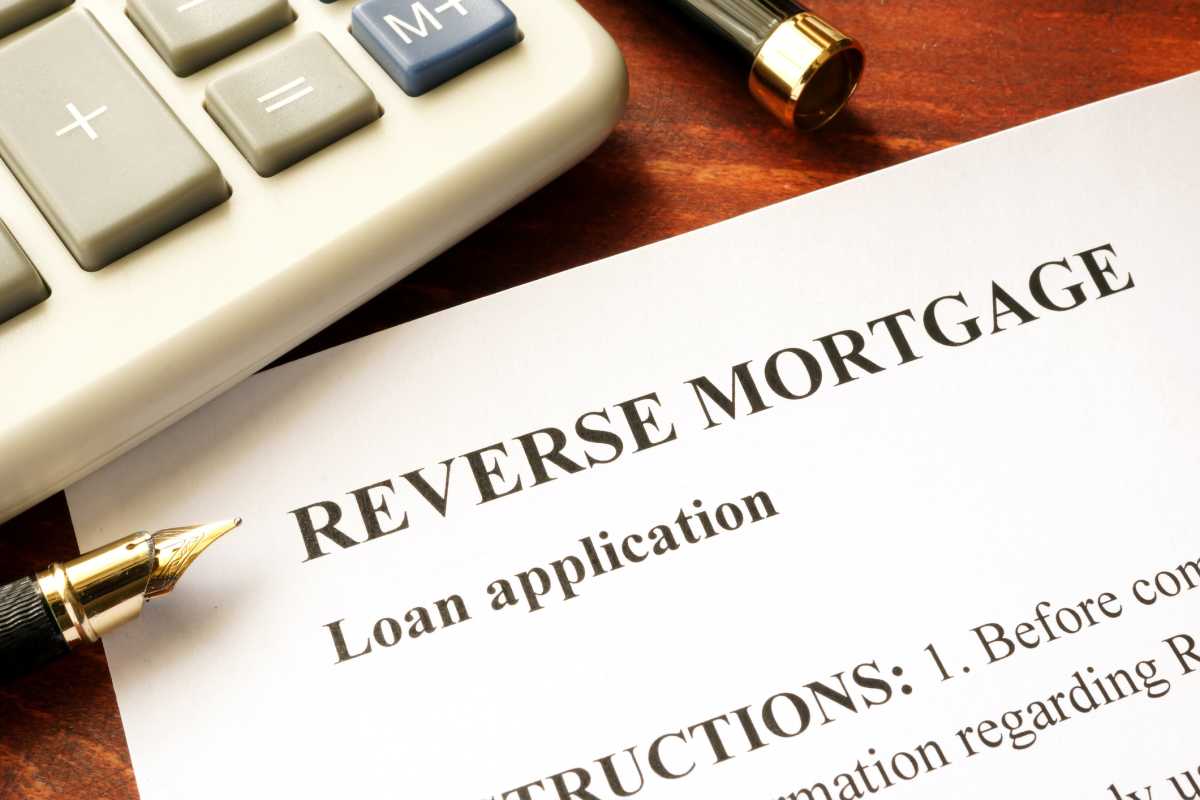
The 2008 financial crisis is one of the darkest chapters for the global economy, and many experts are also drawing parallels with it to describe the current situation in America. President Donald Trump made a decisive move to bring down mortgage rates in the US after he instructed Fannie Mae and Freddie Mac to buy mortgage bonds worth billions of dollars. This push toward affordability has stabilized the mortgage rates in the country in the past few months. However, there has also been an uptick in homebuyers applying for Adjustable-Rate Mortgages (ARMs), something unseen after the 2008 housing market collapse.
ARMs are mortgage loans that don't have fixed interest rates for the entirety of the loan's tenure. In most cases, ARMs have an introductory period of three or five years, which offers fixed and low interest rates for the buyer. However, the interest rates are adjusted according to market rates after the introductory period expires.

According to the Mortgage Bankers Association (MBA), 12.9% of all mortgage applications were ARM applications in September of last year. Such a high rate of ARM applications has not been seen after the 2008 crash, when ARMs played a major role in fueling the housing market crash as homeowners with poor credit failed to keep up with the rising interest rates. However, industry observers think that the rising number of ARM applications shouldn't be a threat to the economy.
"In the current timeline, these buyers still are at minimal to low risk," Phil Crescenzo Jr., vice president of the Southeast Division at Nation One Mortgage, told Investopedia in an interview.
The surge in ARM applications is a result of higher interest rates for a prolonged period. The mortgage rates stayed low in the post-COVID economy. However, there was a three-point spike in 2022, and the interest rates have mostly stayed above 6% since then. Even though the rates dropped below 6% momentarily in January, the change didn't last long. Trump's affordability push has stabilized the rate but hasn't brought it down by a significant margin yet.
ARMs are usually used by homebuyers who plan to sell the house or refinance after the introductory period. This allows them a lower interest rate than the market for the first few years. However, homeowners have a cap to protect them from exorbitant rate surges. So the buyers don't pay over a certain max cap rate, no matter how the market behaves. This also prompts many buyers to opt for ARMs over fixed mortgage loans.

According to Mortgage Bankers Association data, a five-year ARM in December 2025, offered an initial rate of 5.79%, much lower than the 6.31% that a fixed-rate mortgage of 30 years presented. This slight disparity in percentage points can save a buyer a lot of cash. That's why a lot of new homebuyers are applying for an ARM initially and then refinancing into a fixed rate if the market rates turn out to be high after the end of the introductory period.
If Fannie Mae and Freddie Mac really buy $200 billion worth of mortgage bonds, which will almost double their mortgage bond holdings, the rates could see a dip in the coming months. This dip is likely to bring down the number of adjustable-rate mortgage applications as well.
More on Market Realist:
Trump's latest move has led to a surge in gas prices — but his administration says don't panic
America’s small businesses may soon face a serious problem that could impact millions of people
CFRB warns removal of Trump's signature tariffs may raise national debt to $58 trillion