Millions of Americans could boost their Social Security checks with this simple strategy

Millions of Americans can get bigger Social Security checks by working for more years or delaying their application benefits until after they reach their full retirement age. Since the benefits are calculated based on the applicant's full retirement age (FRA) and the number of working years, those looking to retire can maximize their checks by working for at least 35 years and withholding their application till the age of 70, to get an additional bonus.
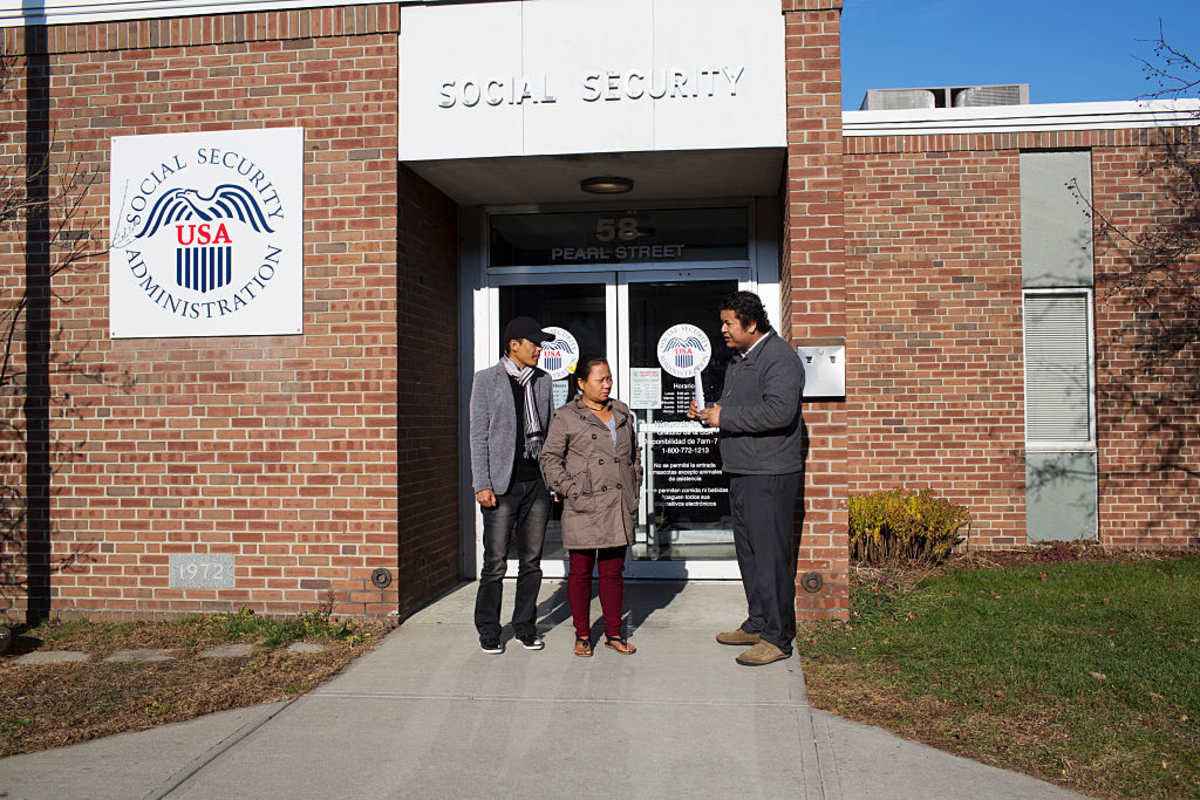
According to the Social Security Administration (SSA), while workers can claim Social Security benefits at the minimum age of 62, those who choose to continue working beyond their FRA and delay their application will see their benefits increase per year until they reach the maximum age limit of 70. The Social Security Full Retirement Age (FRA) is 66 for those born between 1943 and 1954. It increases by two months each year for those born between 1955 and 1959, finally reaching 67 for those born in 1960 or later.
Thus, for those born in 1960, the FRA is 67. However, they can claim benefits as early as 62 if they are willing to accept a reduction, as claiming early lowers benefits by about 30%, reducing $1,000 in benefits to $700. On the other hand, workers can choose to suspend their payments till the age of 70 (when their benefits will automatically resume), and grow their funds at a rate of about 8% per year, or roughly 0.666% to 1% per month. Thus, those with the FRA of 67 can increase their monthly payments to 124% of their full benefits by waiting until age 70.

Furthermore, the Social Security system takes the best 35 years of a worker's career to calculate the benefits. Each year's earnings are adjusted for inflation, totalled, and divided by 420 months to get the average indexed monthly earnings (AIME), which is then fed to a complex formula to determine the primary insurance amount or PIA. This is the monthly benefit a retiree is entitled to when they claim the benefits at their FRA. Thus, by working for at least 35 years and delaying claims till 70, workers can maximize their Social Security benefits. However, delaying benefits would also mean putting Medicare premiums on hold from Social Security, so workers will need to cover premiums for the given period.

Meanwhile, there is massive concern over the trust fund that pays the Social Security Administration (SSA) running out in the next decade. According to a new report from the Congressional Budget Office (CBO), the Old-Age and Survivors Insurance (OASI) Trust Fund is now on course to run out by 2032, a year ahead of earlier projections due to the various tax cuts made by President Donald Trump's "One Big Beautiful Bill Act". If the fund reaches the depletion date without congressional intervention or reform, the benefits would still be payable, but there could be massive cuts. While the payments will still come from payroll taxes, the most vulnerable beneficiaries will be prioritized, or full benefit payments may be staggered on a delayed schedule, according to Stephen Nuñez, director of stratification economics at the Roosevelt Institute.
More on Market Realist:
Most Americans are unaware their Social Security benefits could be cut by a huge margin
New report says millions of Americans getting Social Security benefits faced delays in 2025
Getting Social Security benefits could get tricky for Americans with recent changes