Trump's SAVE act could make voting harder for married women — White House dismisses concerns

Women have had to fight for their right to vote, and participation in democracy has been essential for their upliftment in society. This is why the debate over the Safeguard American Voter Eligibility Act, or the SAVE Act, has moved from the halls of Congress to homes across the country. The act that requires voters to furnish documentation to prove their eligibility will also add to the expenses of a lot of people. For instance, young voters will have to spend $165 on securing a passport or $1,385 to obtain a certificate of citizenship, according to Congresswoman Jennifer McClellan. But apart from people of colour and young voters, at the center of the debate is a question about the right of married women to vote.
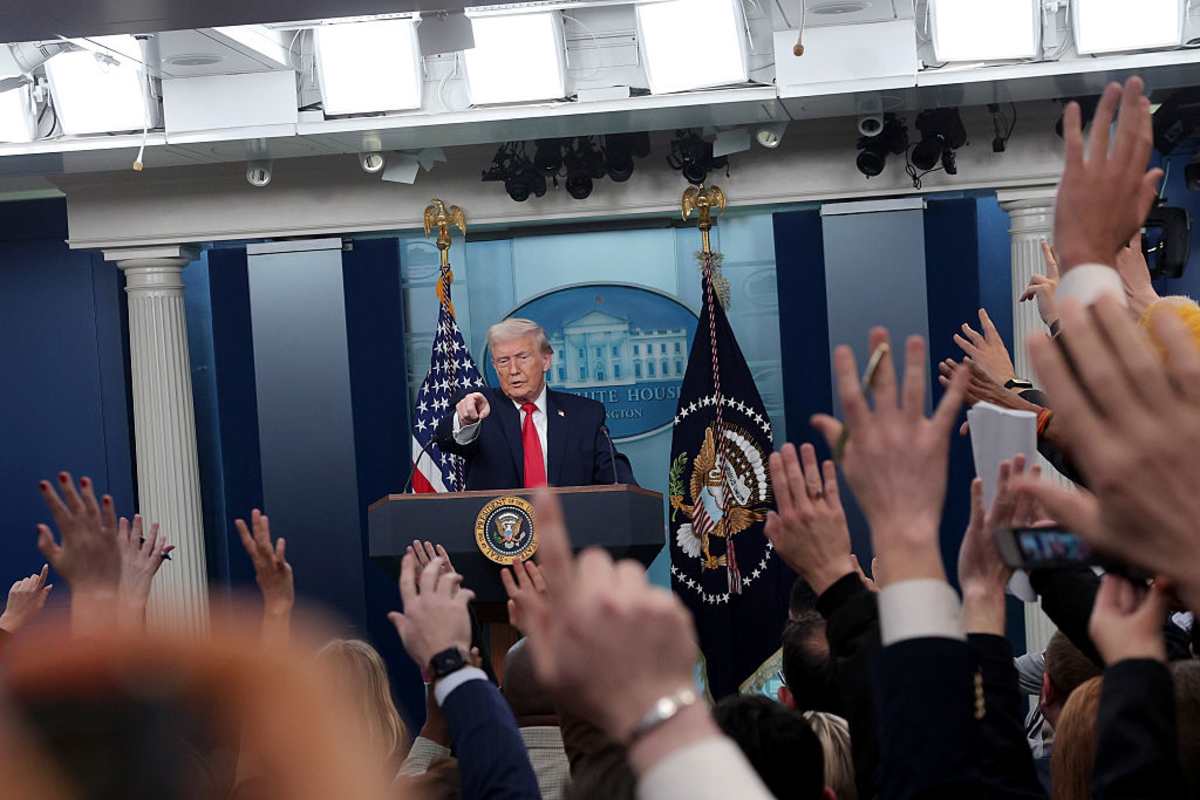
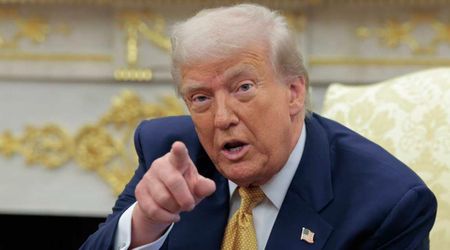
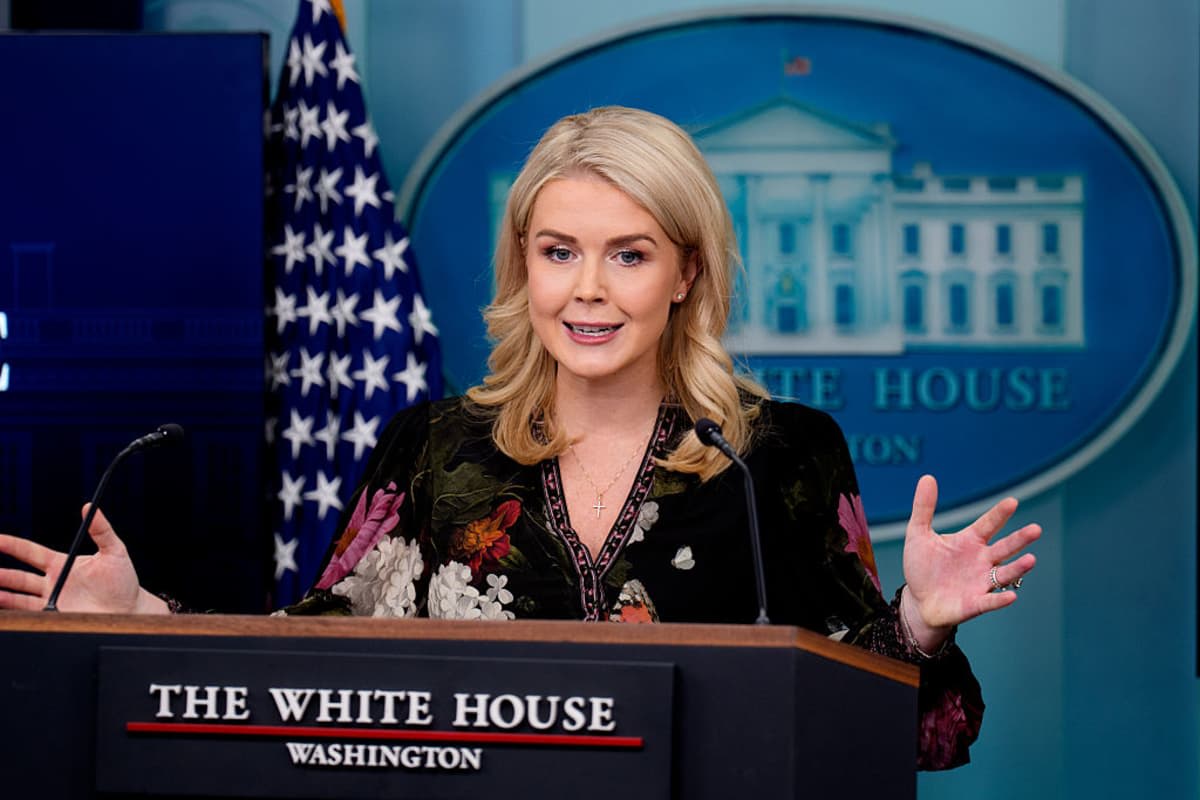
At a White House press briefing on March 10, press secretary Karoline Leavitt simply dismissed the concern. She said that there is “zero validity” to the argument that the legislation could make voting harder for women who changed their last name after marriage. She stated, “As far as married women who have changed their name, if they’re already registered to vote, they’re entirely unaffected by the SAVE Act.”
The House passed the measure last month, but it has since stalled in the Senate. Meanwhile, President Donald Trump said this week he would stop signing legislation until Congress passes the Act, raising the stakes of the debate. Concerned about non-citizens casting votes, Republicans say the legislation ensures that only U.S. citizens vote in federal elections. Critics argue that such voting is already illegal and extremely rare. Research from the Bipartisan Policy Center has found very few documented cases of non-citizens casting ballots in U.S. elections.
Leavitt acknowledged that the bill could require additional steps for people who have updated their names or addresses. But she argued that the process would not prevent anyone from voting. Individuals who have changed their name or their address would need to update documentation through existing state procedures.
Under current election laws, many states already require some form of identification to register. The SAVE Act would go further by requiring proof of citizenship that matches a voter’s current legal name.
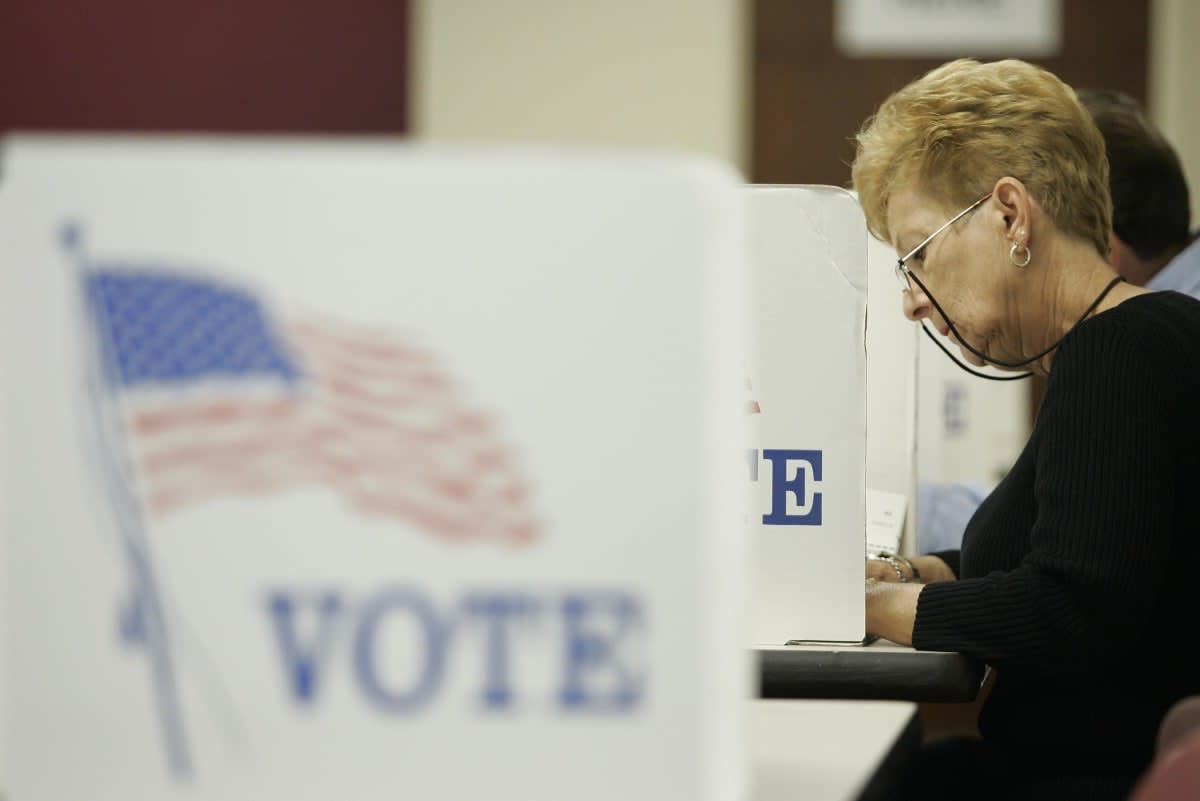
For many married women, that could create a mismatch. A birth certificate or older passport may still reflect a maiden name, while voter registration records carry a married surname. Organizations such as the League of Women Voters and the Brennan Center for Justice argued that the requirement could create another barrier to registration․ A study cited by the Brennan Center found that 9% of Americans do not have easy access to documents such as passports or printed birth certificates․
Sarah Baldwin, a retired schoolteacher writing in El Paso Matters, argued that the requirement could fall hardest on voters whose records no longer align neatly with their current identity. “Proof of citizenship sounds simple,” Baldwin wrote, before adding, “For millions of women, it isn’t.”
She added that for elderly citizens, low-income Americans, or people who have relocated multiple times, retrieving those records can be slow and costly. Debates over election security and the accessibility of voting are not new. The country has wrestled with that tension for generations, from literacy tests and poll taxes during the Jim Crow era to modern voter identification laws.
More on Market Realist:
Trump is probably right about the US economy — but he's not seeing the big picture
Wouldn't Elections Be Easier If Voting Was Electronic? Yes and No
Trump’s immigration agenda won him votes — but what about his promise on American jobs?