
How the New Capping on Credit Card Late Fees Will Impact Retailers and Consumers
Department stores will feel this change the most, but stores like Gap which have their own credit cards will also be affected.
April 12 2024, Published 8:58 a.m. ET

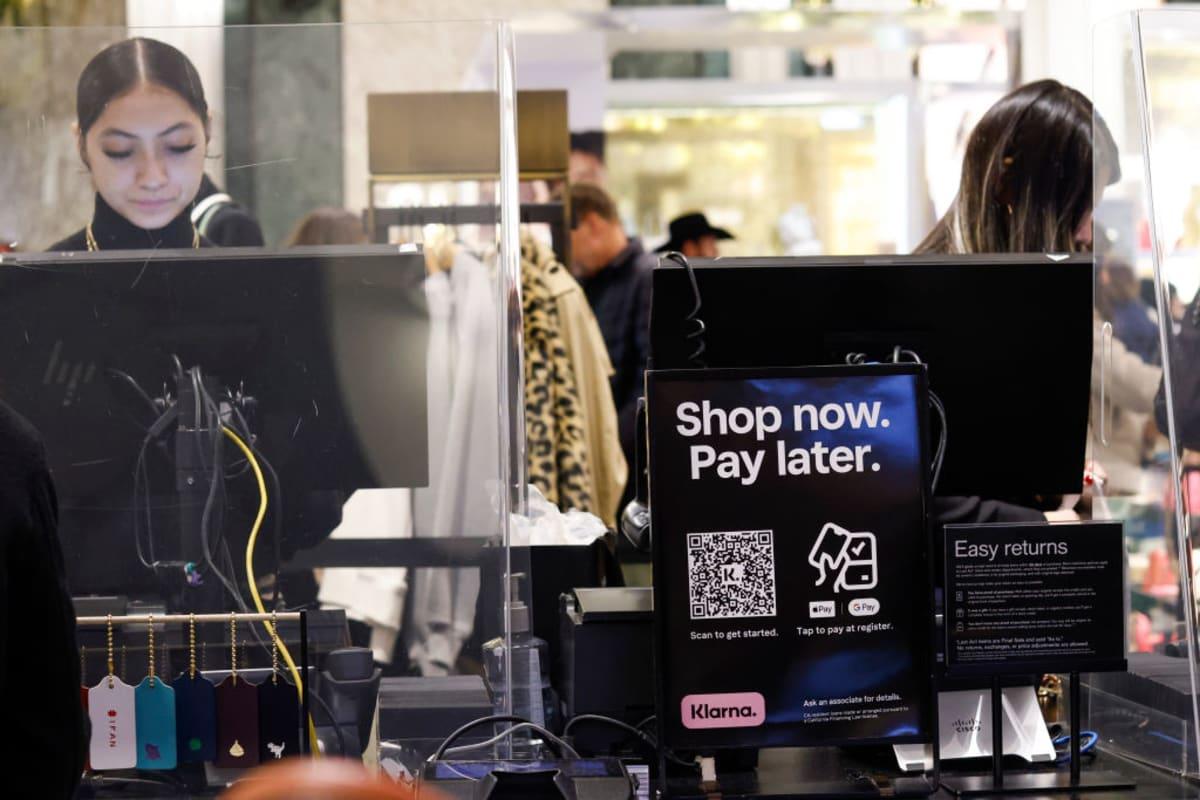
Large department stores such as Macy's and Kohl's provide their credit cards to their customers. When customers use these cards to make purchases, the shops profit more. However, these cards won't bring in as much money for the retailers starting this spring. A new regulation from the government prohibits retailers from charging significant late fees to customers. In the past, you might have been required to pay an additional $32 if your credit card bill was not paid on time. Right now, $8 is the maximum they can charge. Though some are attempting to prevent it, this new rule is scheduled to take effect on May 14.
Impact on customers and retailers
This rule is good news for customers who sometimes pay their bills late because they won't have to pay as much extra money, per CNBC. But it means stores won't make as much from charging late fees or interest when people don't pay on time. Department stores will feel this change the most, but stores like Gap which have credit cards will also be affected. Making money is already tough for these stores. Retail expert Jane Hali thinks this will be especially hard for them.
For Macy’s, they made about $619 million from their credit cards in 2023, and Nordstrom made around $475 million. Kohl’s made even more—$924 million in 2023—but most of that was from their credit cards. But we don’t know exactly how much of that money came from late fees.
Why retailers love their credit cards
Retail expert David Silverman claims that retailers adore their store-branded credit cards because they increase sales without incurring significant costs. Large banking institutions like Capital One and Synchrony Banking typically oversee these cards. They frequently offer customers exclusive discounts or incentives for making multiple purchases.
Because these cards track what people buy, they serve as a kind of window into what customers want to buy for retailers. According to Silverman, it's like always carrying an advertisement for the store in your wallet. However, credit cards were having issues even before the government enacted new regulations about late fees.
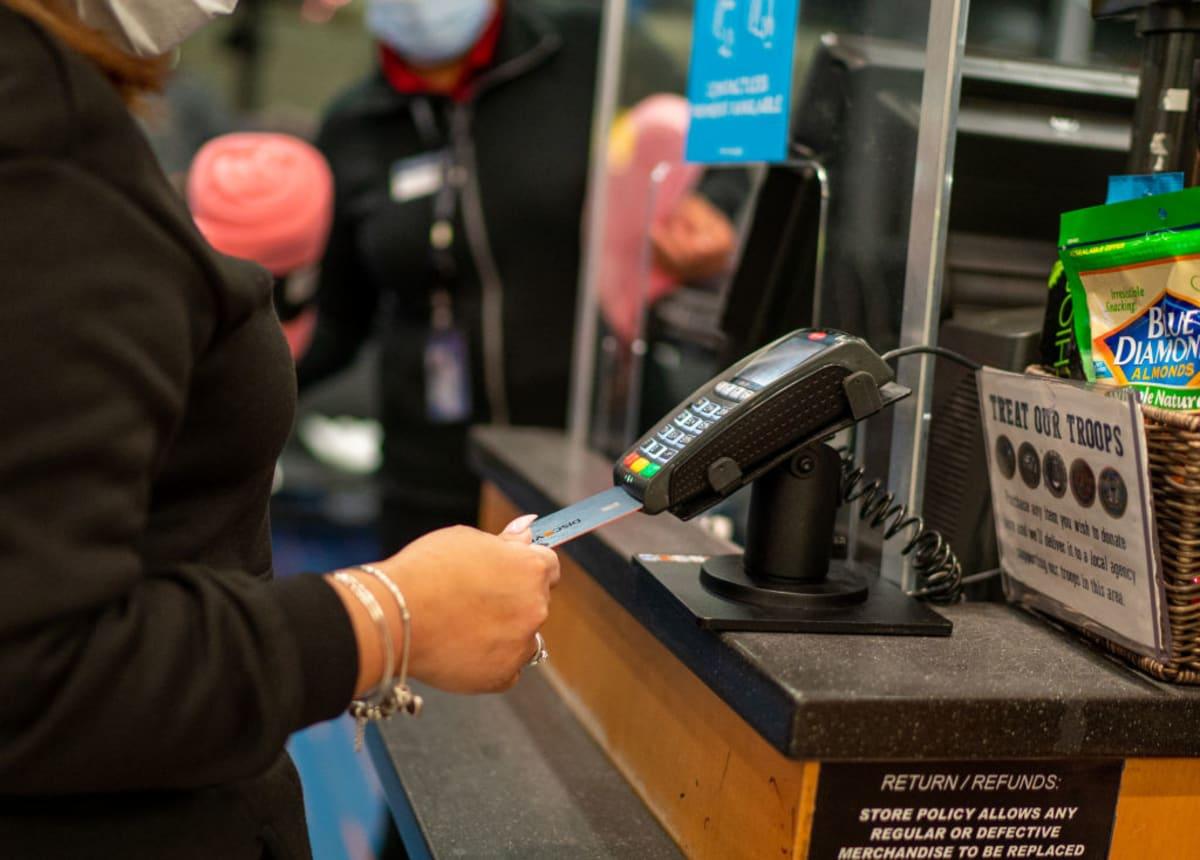
More people are selecting alternative payment methods, such as dividing a debt into multiple smaller payments. People spent a lot of money this way in January and March, particularly online. Certain people favor credit cards that provide exclusive benefits, such as discounted concert tickets or first access to upscale airport lounges. Additionally, it is more difficult to persuade consumers to use or apply for store cards when interest rates are high, which is frequently the case. Hence, retailers may not be able to profit as much on credit cards as they once could.
Shifts in credit card usage at major retailers
Store credit cards are a significant but small part of shops' total sales like Macy’s and Nordstrom's where they only make up about 3%. Last year, big stores like Kohl’s, Macy’s, and Target saw a decrease in credit card sales because people were spending less and using credit cards less. For instance, Target’s credit card sales dropped from $734 million to $667 million last year, prompting them to change their loyalty program to encourage more credit card use. Macy’s credit card sales decreased by 28%, expecting further decline this year. Nordstrom, however, has seen continuous growth in credit card sales, not affected much by new rules about late fees, as most customers pay on time. Companies managing store credit cards such as Synchrony are planning changes like raising interest rates to cope with new regulations.
So, how does it help the consumers?
The Consumer Financial Protection Bureau (CFPB) introduced a new regulation, per CNBC. They said that under this law, banks would only be able to charge consumers $8 in late fees per time. The CFPB estimates that over 45 million cardholders could save around $220 annually if late penalties were reduced from approximately $32 to $8. The agency announced this new regulation last year and data about the 2009 Card Act which permitted card issuers to gradually raise late fees was examined. The new rule bans late penalties from automatically increasing owing to inflation and applies to card issuers with at least one million open accounts.
For more than a decade, credit card firms have profited handsomely from these fees, according to CFPB Director Rohit Chopra. He stated that they are no longer able to use inflation as an excuse to raise fees and make more money. As part of his campaign against unjust fees, President Joe Biden has made this announcement. According to the CFPB, the banks that provide credit cards have been increasing late fees since 2010. In 2022 alone, they will earn over $14 billion from these costs. According to Chopra, those with poor credit ratings pay $138 in late fees annually for each credit card.