More Americans are tapping into their retirement savings early and we aren't even surprised

The affordability crisis has forced most young Americans to live paycheck to paycheck, and the rising costs are eating into their savings. More workers are dipping into their retirement funds to cover immediate expenses, despite the tax penalties, fees and the long-term loss of compounded returns that come with early withdrawals. A report from Vanguard Group found that hardship withdrawal activity jumped higher in 2025. About 6% of the participants drew out money, up from 5% in 2024, highlighting the financial strain faced by some Americans, even as markets delivered strong results.
A Reddit user shared her side of the story on r/personalfinance. She wrote, “We’re living month to month, even after slashing our budget… We’ve amassed $15k in credit card debt… This fall, I started substitute teaching while the kids are in school to bring in some income,” before adding, “We recently learned of big home repair expenses that couldn’t be deferred. After looking at various loan options, we decided to take an early withdrawal from my retirement for the home expenses. I know that’s considered a cardinal sin, but we did it.”

With the median amount of about $1,900, the top reasons for withdrawal accounted for urgent expenses such as avoiding eviction or foreclosure, or paying medical bills, reports found online. Vanguard noted that retirement planning is only one piece of the puzzle, as many workers are juggling multiple financial obligations at once, from student loans and medical expenses to credit card debt and emergency savings.
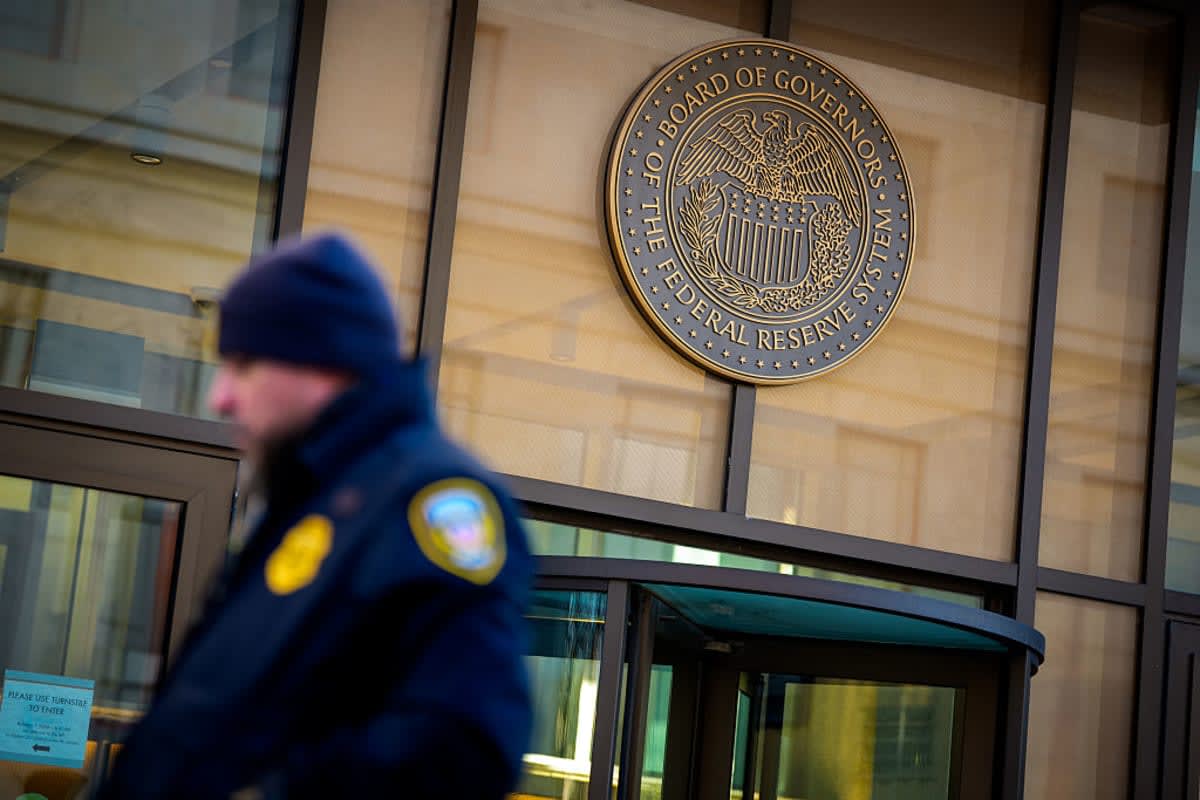
Recent findings from the Federal Reserve's Beige Book also pointed to financial strain among households with lower incomes in several regions of the U.S. It highlighted weaker retail appetite as high prices and economic uncertainty squeezed the spending power of the masses. The data suggests that even in a relatively strong economy, some Americans are increasingly relying on retirement savings to get through short-term financial shocks.
The trend reflects what economists often describe as a K-shaped economy, where strong markets benefit some households while others struggle with rising costs. Ironically, the rise in withdrawals comes alongside record retirement balances, thanks in part to the broader economic backdrop that appeared relatively strong. The U.S. economy posted steady growth through 2025, with moderating inflation, low unemployment and rising real earnings supporting consumer spending, according to Vanguard.

Further, improvements in automatic savings tools and professionally managed investments have led to increased savings. Many workers are now enrolled in retirement plans automatically, and hence, they start saving by default. Certain plans also gradually increase how much individuals set aside each year, helping boost participation over time.
Owing to this, average participant account balances went up by 13% from a year earlier to $167,970, the highest on record, and the median balance reached $44,115, up 16% from the previous year.
Tapping your retirement savings early can amount to a significant financial setback. Hardship withdrawals are typically subject to income tax and may incur an additional 10% penalty if taken before retirement age, according to the Internal Revenue Service. Add to this the loss of compounded returns on the withdrawn amount, and the financial erosion escalates further. Yet for many households in this economy, the immediate need for cash is outweighing the long-term cost.
More on Market Realist:
5 Essential Steps to Get Ready for Retirement — Be Prepared
Americans are turning leftovers into meals to tackle the impact of rising grocery prices
Key 401(k) changes in 2026 that Americans preparing for retirement shouldn’t ignore