American taxpayers will have to foot the bill for the Iran war — it's a massive price to pay

People in a warzone face loss of life and property, but those who are far away also have to pay a price because of economic instability. Despite public sentiment against war, there is a potential for escalating conflict with Iran, which could also affect oil prices globally. 'Operation Epic Fury' has entered day five, and it has been estimated that President Donald Trump's military campaign against Iran could cost the US economy up to $210 billion, according to fiscal expert and director of the Penn Wharton Budget Model, Kent Smetters. As the operation moves forward, the financial impact on taxpayers will significantly affect household budgets and the economy at large, Fortune reported.

Smetters, with backgrounds at the U.S. Treasury and the Congressional Budget Office, used his model to evaluate the macroeconomic and fiscal effects of federal policies. He projected that the average burden on taxpayers would reach an estimated $40 billion, perhaps even $95 billion, and a direct impact of $65 billion if military activity lasts more than two months. He also determined that the expenses of replacing equipment, ammunition, and other supplies could cause the figures to escalate. “If the war lasts more than two months, then this number goes up,” he stated.
Smetters further explained that due to uncertainties associated with continued Middle Eastern hostilities, the U.S. faces an extra economic loss estimated at $115 billion, with potential variability between $50 billion and $210 billion, on top of military expenses. This loss includes financial conditions, energy markets, and trade disruptions. Furthermore, the expenses of the IEEPA tariff regime are estimated to be $179 billion, and the Supreme Court's ruling may necessitate reimbursements to American businesses or taxpayers.
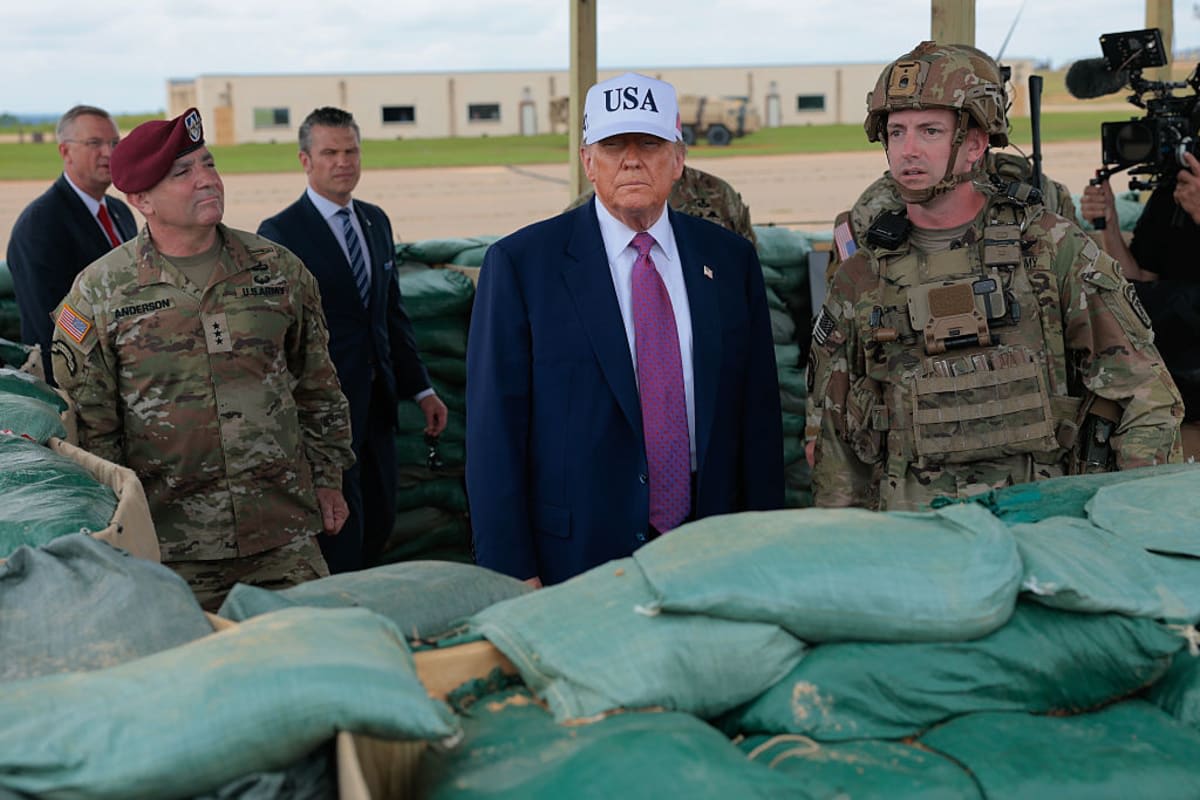
According to Trump, military operations, including ground forces, may last "four to five weeks" with possible extensions. Smetters assessed that there will be significant financial ramifications since munitions could run out and expenditures could rise dramatically after two months. Approximately $630 million has already been spent on preparations for the strikes. Fiscal conservatives are more concerned about the federal debt and the long-term consequences of the war because only 25% of the public supports American strikes on Iran. “One problem I have with cost-of-war calculations is that they really do ignore the counterfactual,” Smetters said in conclusion, adding that, “If Iran really did get a nuclear weapon, then we might have spent a lot more on military and even the repair of cities later on.”
Operating two aircraft carrier strike groups costs $390 million monthly. The financial implications are significant, affecting oil prices and stock values. U.S. military expenditure nears a trillion dollars annually, and costs are expected to increase as the conflict with Iran continues.
More on Market Realist:
Trump faces backlash as American taxpayers paid $86 million for EPA staff while they 'sat at home'
IRS watchdog warns American taxpayers may face 'greater challenges' amid recent issues
American taxpayers could reimburse oil firms for the money spent in Venezuela, claims Trump