
Trump administration has taken steps to impose new tariffs with its latest move
U.S. Trade Representative launched Section 301 probes into unfair trade practices of 60 countries
March 13 2026, Published 10:51 a.m. ET

President Donald Trump's administration has taken new steps to impose fresh tariffs, which could be permanent, after the Supreme Court struck down the emergency tariffs late last month. On Thursday, the U.S. Trade Representative launched investigations into the manufacturing conduct of dozens of countries, accusing them of failing to curb forced labor. The investigations were launched using a law that lets the federal government impose tariffs or other trade restrictions if countries are found to have engaged in unfair trade practices. The current investigations target key trading partners, including China, Mexico, and the European Union, as per the official announcement.
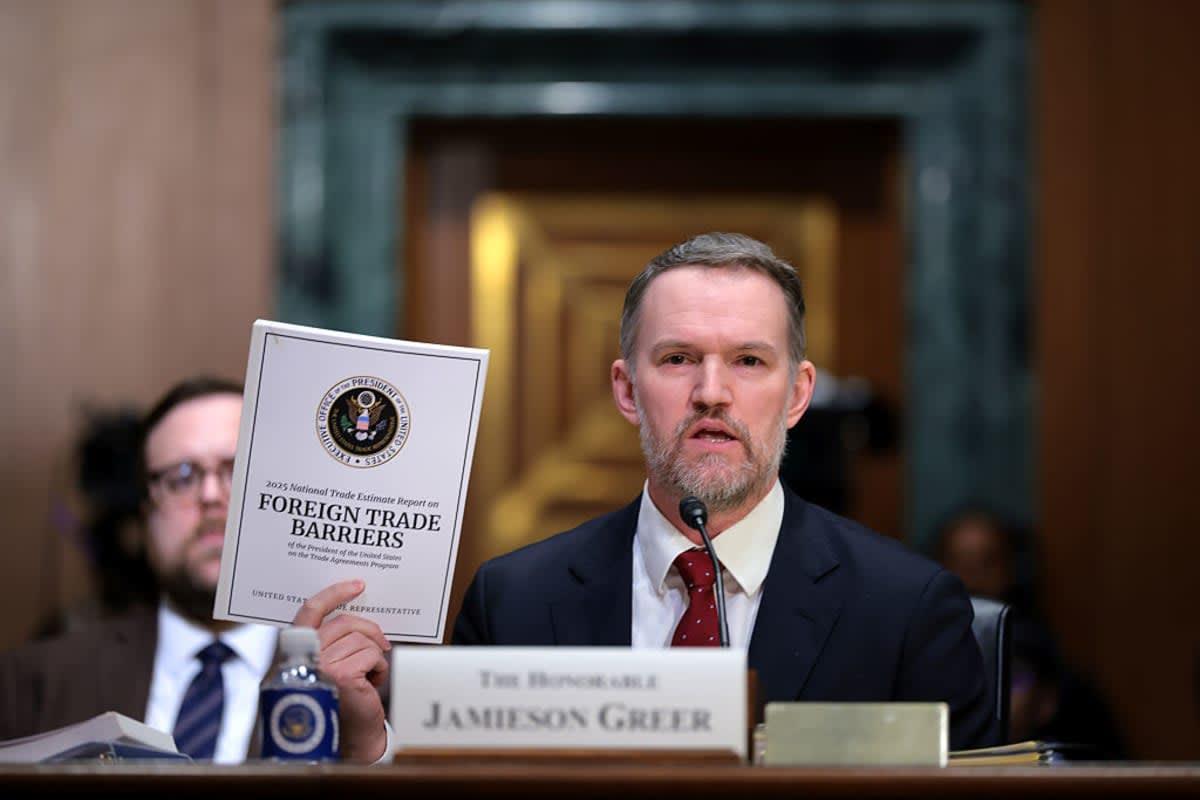
The investigations under Section 301 of the Trade Act of 1974 are aimed at restricting unfair trade practices, but under the current circumstances, they can be used to re-establish the tariffs that were struck down, CBS News reported. The roughly 60 countries and territories hit with investigations include some of the nation's largest trading partners, including China, Mexico, Canada, the United Kingdom, Japan, the European Union, South Korea, Vietnam, and Australia. Announcing the probes, U.S. Trade Representative Jamieson Greer said, "For too long, American workers and firms have been forced to compete against foreign producers who may have an artificial cost advantage gained from the scourge of forced labor," in a statement.
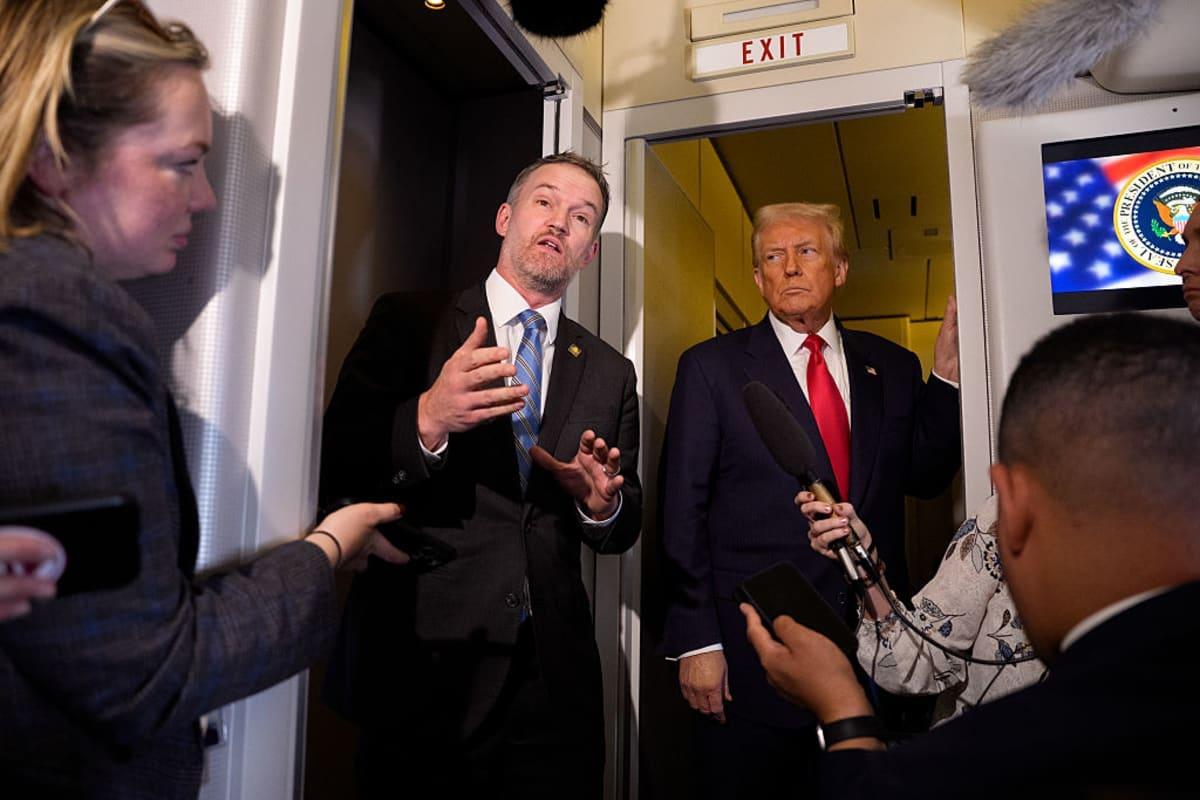
Section 301 is one of the tools that the president vowed to use in order to get the country-specific tariffs going again. The White House initially responded to the Supreme Court’s ruling by imposing a temporary, 150-day, 15% universal levy on all imported goods using Section 122 of the Trade Act. However, Section 301 will allow the Office of the U.S. Trade Representative to unilaterally retaliate against specific countries through trade investigations, as per CBS. Since the law requires the government to first investigate the country's trade practices, extensive probes have been announced. "These investigations will determine whether foreign governments have taken sufficient steps to prohibit the importation of goods produced with forced labor and how failure to eradicate these abhorrent practices impacts U.S. workers and businesses," Greer said.
While Greer's statement did not directly threaten with tariffs, the law allows his office to impose tariffs and other trade restrictions on guilty economies. “Responsive action can take a number of forms. It can be tariffs, it can be fees on services, it can be other things,” Greer had mentioned in a previous announcement when his office launched investigations into 16 trading partners.
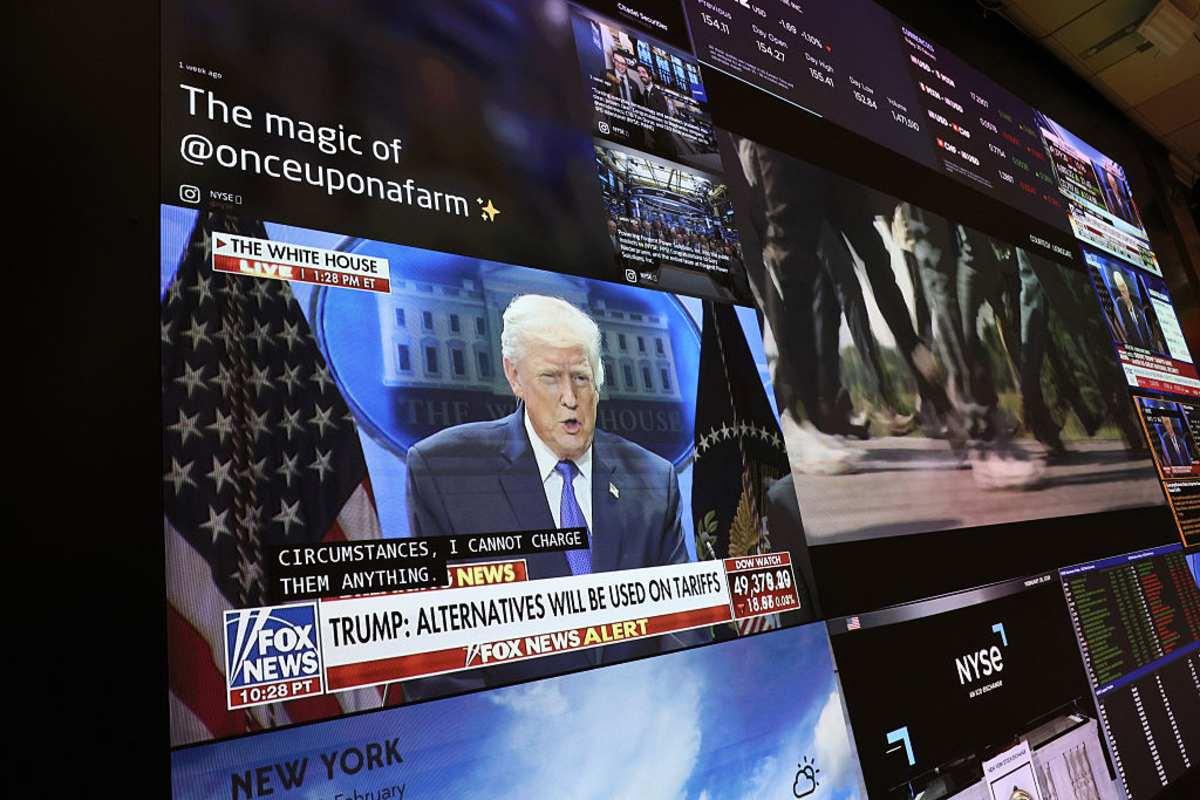
Following the announcement, probes will be conducted, and consultations will now take place with the economies whose trade practices are under the spotlight. The USTR will further hold a public hearing starting April 28 to cover each investigated economy. “After all of that, the USTR, we will have our findings and our analysis, and we will propose, if necessary, a responsive action,” Greer said in a backdated March 11 press release. So far, China and the EU have pushed back against the probes, warning that they can jeopardize the recent trade deals with the U.S., CNBC reported.
More on Market Realist: