
The US is 'woefully underprepared' for a recession due to mounting debt, warns CRFB
The nonpartisan fiscal watchdog CFRB has warned that the U.S. may be heading blindly into the next crisis.
March 11 2026, Published 6:18 a.m. ET

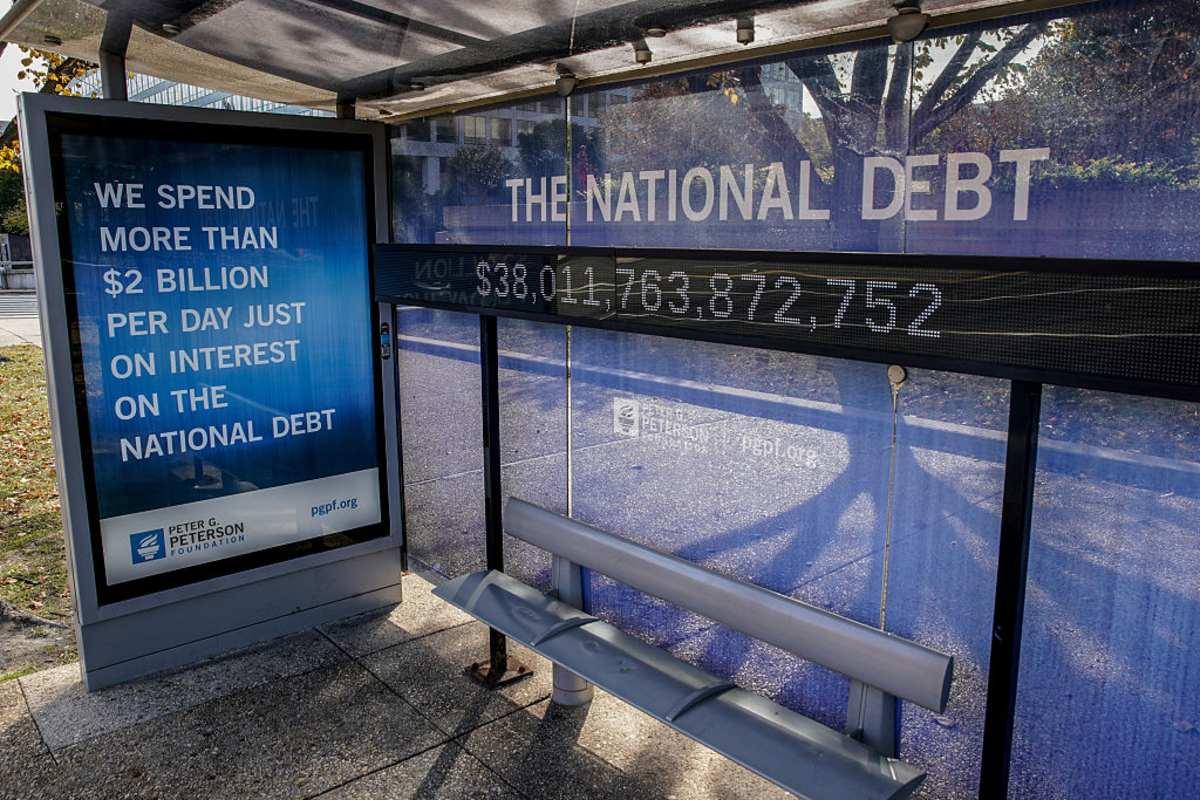
The United States has never been more vulnerable to an economic shock, given the mounting national debt that could debilitate the nation's ability to tackle a crisis, according to a nonpartisan fiscal watchdog. In its latest report, the Committee for a Responsible Federal Budget (CRFB) sounded the alarm over the national debt, which is growing to 100% of the GDP, a level not seen since World War II, claiming the country is "woefully under-prepared" to tackle its next emergency, which, according to reports, is nearly imminent in the near future.
“The country is almost certain to enter the next shock more indebted than we have ever been before,” the CFRB mentioned in its "Break Glass: A Plan for the Next Economic Shock". The Washington-based think tank compared the current fiscal situation to past crises and found it to be the most vulnerable ever. The report mentioned that when the COVID-19 pandemic hit, the national debt was 79% of GDP, while the deficit was 4.6% of GDP. During the Great Recession, the debt was 35% of the GDP, with deficits at 1.1%. Before the Dot-Com Bubble burst, debt was at a similar 34%, but the country was running annual surpluses.
Today, the debt is roughly 100% of the GDP, with deficits at 6%. Historically, during each crisis, the government's response left the economy in a worse fiscal position. During COVID-19, the national debt rose by roughly 20% of the GDP, and it spiked by 35% of the GDP during the Great Recession. This means the country has never faced an economic crisis with debt levels as high as today and fiscal deficits as large. Thus, "our nation is in a worse fiscal position today than it has ever been going into any kind of economic downturn or emergency," the CFRB warned. It further laid out several disaster scenarios, including a potential artificial intelligence bubble bursting, or digital assets, supply shocks, a catastrophic drop in consumer confidence, stagflation, and events such as war, natural disasters, and more.
Recently, reports have indicated that a recession may be imminent, with several negative scenarios developing across the globe. With the US-Iran conflict, the subsequent closure of the Strait of Hormuz, and oil prices soaring above $100 per barrel, there are supply shocks across the globe, as per CNBC. Furthermore, according to the Commerce Department's January report, retail sales ticked down 0.2%, indicating a fall in consumer demand. The housing market is also in crisis, with existing home sales falling 8.4% month-over-month in January, far below forecasts, according to Trading Economics. Lastly, the recent Small Business Credit Survey found that the share of small businesses' sentiment was at a record low, with the majority anticipating a drop in revenue growth. The labor market has sent mixed signals as the economy lost 92,000 jobs in February, while showing gains in some sectors.
Thus, the CFRB laid out a "Break Glass Plan" for policymakers to help tackle the next crisis. The fiscal watchdog recommended a four-part action plan that includes a targeted response to the crisis, building offsets for new spending or tax relief, a mechanism for deficit reduction, and a bipartisan fiscal commission to introduce thoughtful and specific reforms.
More on Market Realist: