
A Lawsuit Against Amazon’s Fire TV Stick Is Raising Questions
Amazon is being sued in California state court, alleging the company “bricked” its first- and second-generation Fire TV Stick devices.

April 16 2026, Published 3:10 p.m. ET

Devices and electronics all have lifespans, some shorter than others due to upgrades and newer models. Like PlayStation consoles (PS1, PS2, and PS3), they stopped being compatible with certain games as newer systems were brought to the market.
The same thing happens with phones. A new model comes out, software updates follow, and after a certain amount of time, features, apps, and updates eventually stop being compatible with older devices.
While it’s common for for companies to upgrade devices in order to integrate newer features and technology, they can’t exactly manipulate them to stop working just to force an upgrade instead of letting them phase out naturally. And that’s what’s being claimed in a lawsuit against Amazon, which alleges the company manipulated its Fire TV Stick devices so users were forced into upgrading.
Here are the important points from the lawsuit you should know about.
Everything to know about the lawsuit against Amazon over its Fire TV Stick.
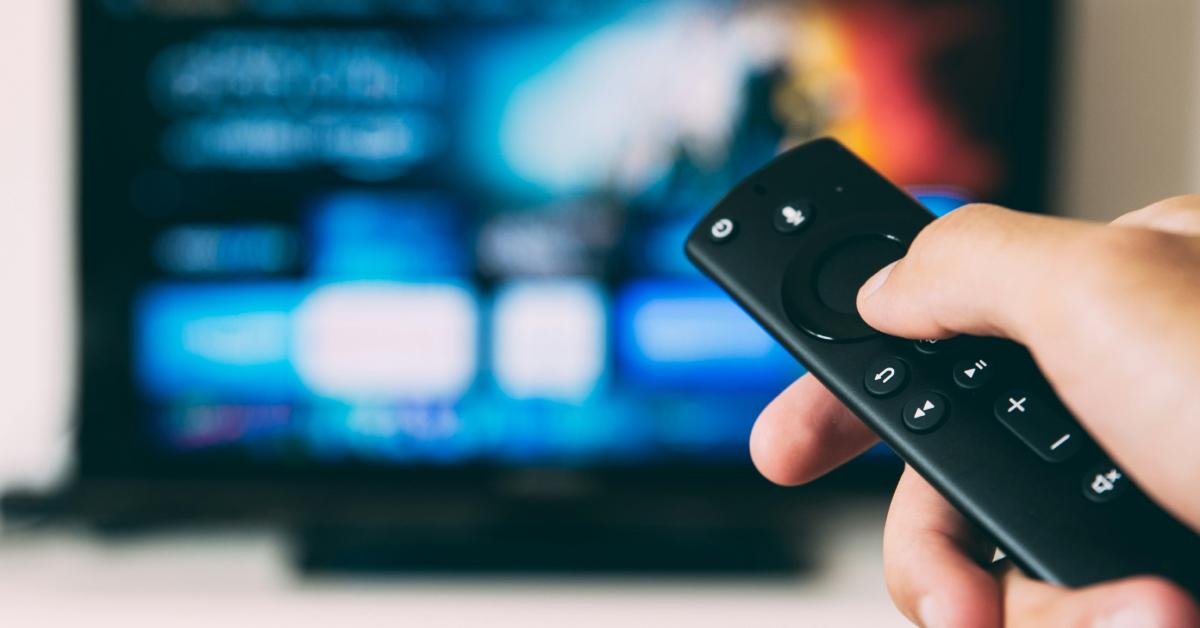
Amazon is being sued in a class action lawsuit filed in California state court in April 2026, alleging the company “bricked” its first- and second-generation Fire TV Stick devices so they would stop receiving software updates necessary to keep them functioning.
The lawsuit, which names Amazon.com Inc. and Amazon.com Services LLC as defendants, was filed by Bill Merewhauder and references Fire TV devices released in 2014 and 2016, which allow users to stream movies and TV shows from platforms like Netflix by simply plugging the device into a TV’s HDMI port.
Merewhauder says he bought second-generation Fire TV Sticks from Best Buy in 2018, and over time, the software began to fail until the device became “inoperable,” according to The Independent.
He says he eventually had to purchase newer versions in 2024. His lawsuit also claims Amazon stopped providing updates for the first-generation devices in December 2022 and for the second-generation devices in March 2023.
The complaint argues that because Amazon engaged in “bricking,” which refers to making devices incompatible with software updates after a certain point, the devices experienced issues like “severe lag, buffering, and in some cases complete inoperability,” as reported by The Independent based on the filing.
While it’s expected of companies to eventually stop rolling out updates for older devices in order to focus on newer models, the complaint argues Amazon did not inform consumers about the expected software support lifespan. It also claims users were not warned that features would gradually stop working or become unusable.
The lawsuit further alleges that customers were not offered adequate refunds or repair options and believe deceptive practices were at play.
People are questioning why other companies aren’t being sued for the same thing.
The lawsuit against Amazon over its Fire TV Stick has raised some valid points and brought up the question of why other companies like Apple aren’t being sued, too. Don’t they do the same thing?
As mentioned, it really comes down to transparency between the company and the consumer.
If Apple makes it publicly available to consumers that, eventually, older devices will stop being supported by software updates, it becomes harder to build a lawsuit against them.
But if a company isn’t as transparent, or is accused of not clearly explaining the lifespan of software support, as Amazon is in this case, then it’s easier to sue. It doesn’t automatically mean the plaintiffs will win, but it does give them a stronger leg to stand on.