
Ex-Treasury official warns Americans will face higher fuel prices unless US makes one key decision
David Malpass told Fox Business that U.S. energy independence will be crucial for growth measures
March 11 2026, Published 9:16 a.m. ET

Consumers in the United States have begun to feel the pinch of the U.S.-Iran conflict in the Middle East, with oil prices surging to $120 per barrel and gas prices spiking across the country. This has raised a fresh wave of concerns over the country's dependence on foreign oil, despite President Donald Trump's push for U.S. energy dominance and his 'Drill Baby Drill' campaign. Speaking in an interview on Fox Business, former Treasury undersecretary David Malpass warned Americans that fuel prices could remain a problem if the country doesn't focus on indigenous energy production.
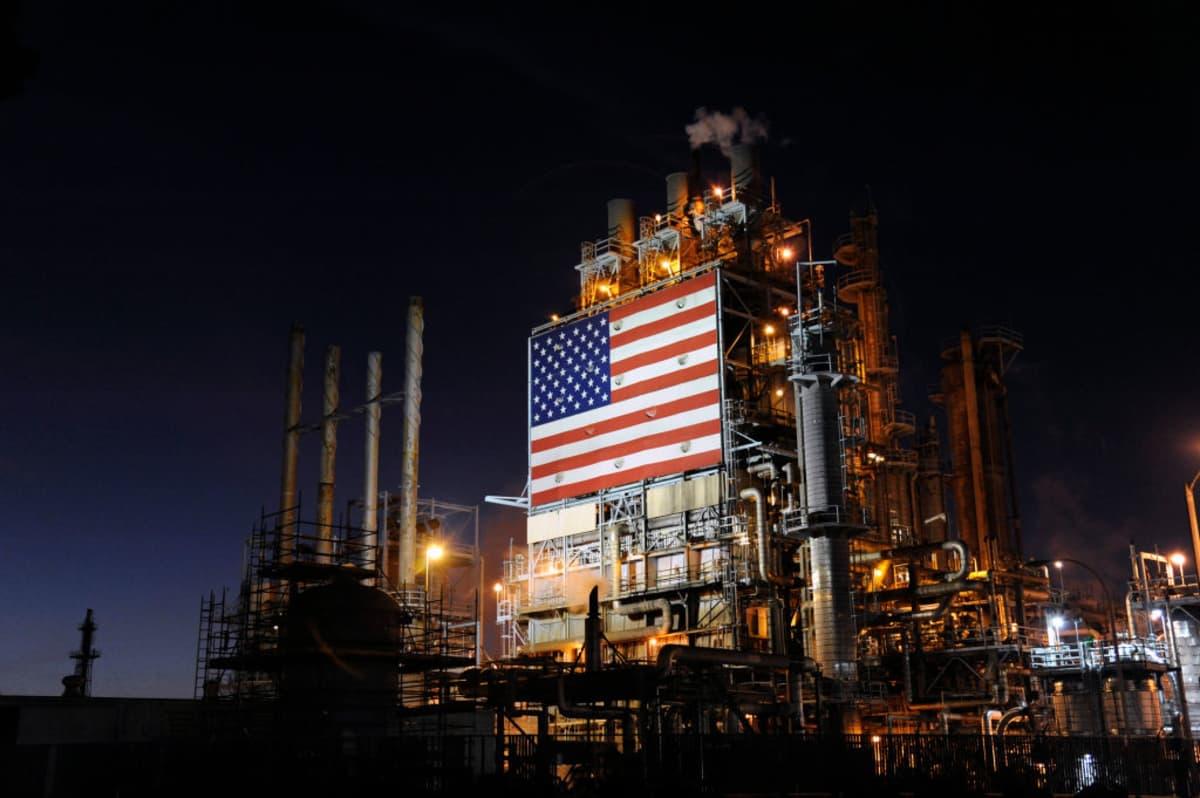
"We want peace and prosperity, and energy dependency is blocking that. So the solution is clear, we need more energy production in the U.S. and Europe," Malpass told Maria Bartiromo, on "Mornings With Maria." While the U.S. has succeeded with onshore oil production thanks to the fracking revolution, it is far from being energy independent. While the country is the largest oil producer in the world, the recent turmoil due to the Iran conflict has made it clear that energy-dominant and energy-independent aren't the same thing.
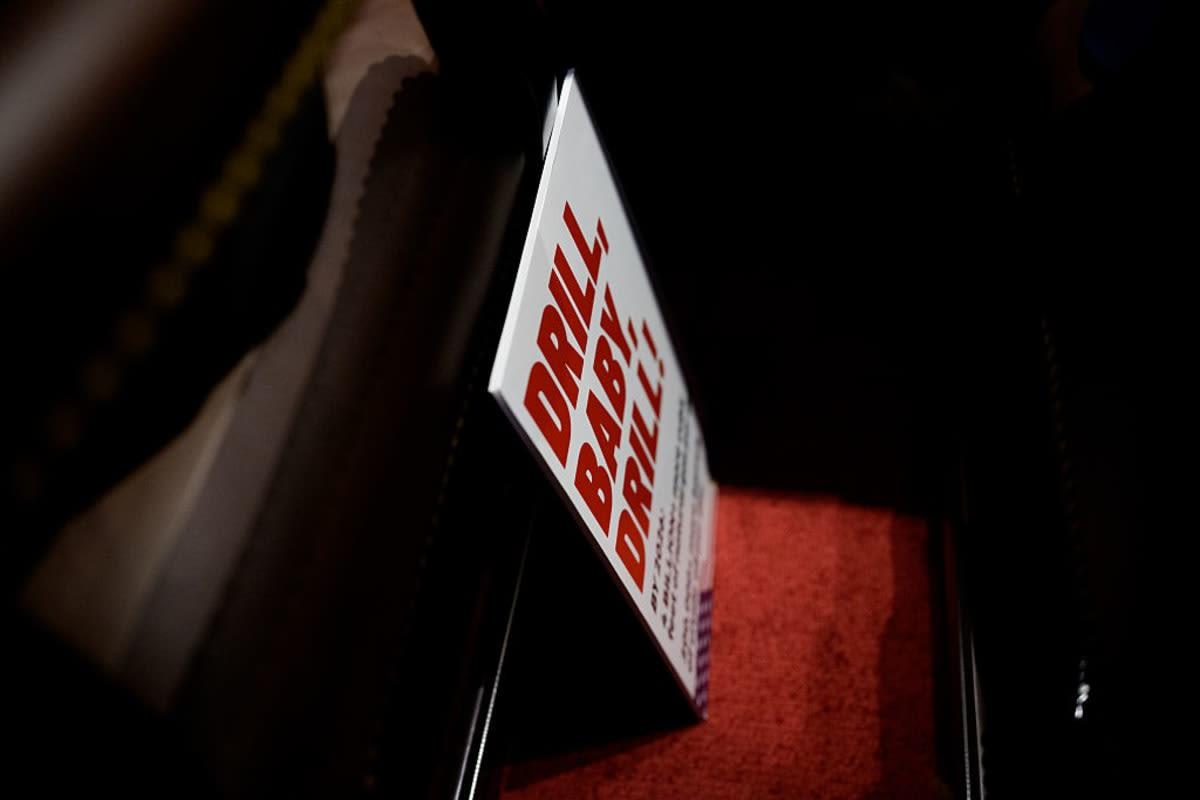
Representative image of a sign that says "Drill Baby Drill!" is visible at the seat of a cabinet secretary during a Cabinet Meeting with U.S. President Donald Trump (Image source: Getty Images/Photo by Andrew Harnik)
Following the attacks, gasoline prices spiked across the country, with the average reaching $3.578 per gallon, as per the AAA. The key issue here is the blocking of the Strait of Hormuz through which about 25% of global oil passes. Iran's move made it clear that the U.S. is in no position to sustain economic operations if the Strait is blocked for long. “If the Strait is not operational, there is no way in h*ll the US can replace that,” said Samantha Gross, director of the Energy Security and Climate Initiative at the Brookings Institution. Furthermore, the chief executive of Saudi Arabia's Aramco, the world's largest oil exporter, warned that the prolonged closure of the Strait of Hormuz will have "catastrophic consequences" on global energy supply, the BBC reported.
Malpass also noted that in the immediate term, taking out the Iranian navy and making sure the Strait of Hormuz can be protected is the only way to help oil prices, and long-term growth measures need to be undertaken to establish energy independence. When asked if the skyrocketing prices will cause a global recession, he said it may not be the case, as the spike in oil prices is temporary and many countries are exploring alternatives already. "The Saudis are exploring a Red Sea destination, and other countries are changing their supply lines." However, he noted that there are some weak spots, like jet fuel, which is hard to store; thus, some immediate changes will need to be made to ensure the smooth functioning of the global economy.
Meanwhile, President Trump has remained largely unbothered by the rising fuel prices as he considers the conflict more important. “So if we have a little high oil prices for a little while, but as soon as this ends, those prices are going to drop, I believe lower than even before,” Trump told reporters last week. This Tuesday, he further commented that the Iran war was "very complete, pretty much," according to the BBC, causing a swing in oil prices. Following his comments, oil prices dropped to $90, but relief in fuel prices for consumers in the U.S. is yet to arrive.
More on Market Realist: