
Maryland Has Now Banned Dynamic Pricing at Grocery Stores, Including Walmart
Maryland's ban on dynamic pricing extends to Walmart, meaning that the prices you see will be the same no matter when you go shopping.
April 20 2026, Published 5:39 p.m. ET

Businesses are always looking for ways to maximize profit. In that pursuit, they have worked to acquire as much information as possible about consumers and about the trends happening inside their store. The latest move in this ongoing optimization has been dynamic pricing, which gives businesses a way to observe demand for goods in real time and change prices to reflect that demand.
This means that the price of a good could go up or down several times over the course of a single day based on how well it's selling. Now, Maryland has become the first state in the country to ban dynamic pricing.
Here's what that means for your shopping experience at stores like Walmart.
Why did Maryland ban dynamic pricing at Walmart and other retailers?
Walmart, Kroger, and Whole Foods are among the chains that use digital price tags that could, in theory, allow for dynamic pricing. Walmart has said that the digital price tags are unrelated to dynamic pricing, but nevertheless, many average consumers are starting to wonder if they're paying the same price as other people who buy the same good.
Maryland's Protection From Predatory Pricing Act is designed to ban dynamic pricing, and also to prevent retailers from "using consumer personal data to set a price for consumer goods or services." Basically, the act ensures that grocery stores will keep their prices the same at least over the course of a single day. It doesn't prevent them from changing those prices overnight, but once the store opens for business, the price can't change.
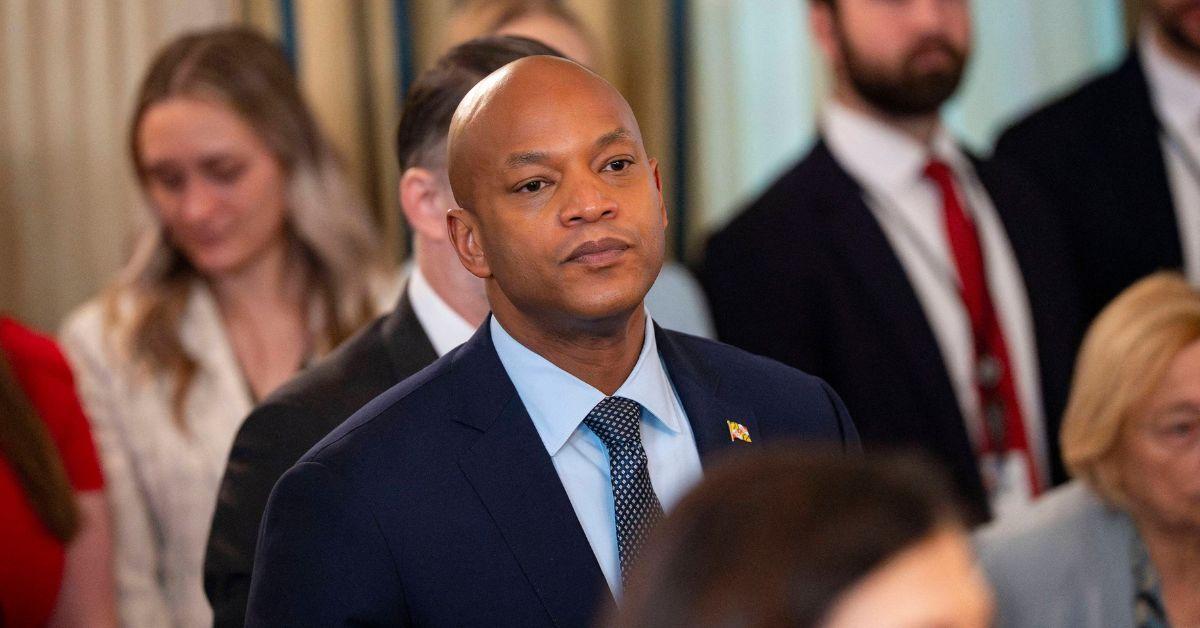
Maryland Governor Wes Moore has touted the legislation as a way to protect consumers from predatory pricing.
He said that the law will protect Marylanders "from invasive data practices and unpredictable price spikes."
“Marylanders deserve to know that the price they see on the shelf is the price they will pay at the register,” he added, calling out the fact that a price could change even in the middle of a shopping trip.
The law is currently headed to Moore's desk for a signature, and will take effect in Maryland beginning on Oct. 1. If a business if found to have not complied, they will be fined $10,000. Although Moore is touting the bill as a win for consumers, Consumer Reports says it falls short of offering the full protection to consumers that an ideal version of the bill might.
“While it’s encouraging to see the Maryland legislature take up this issue, this bill has loopholes that will limit its real-world impact," Consumer Reports said. "We urge other state legislatures considering personalized pricing legislation to build in stronger consumer protections and avoid loopholes that weakened this bill.”
We'll have to see whether the loopholes in this bill that critics have pointed out ultimately hinder its implementation. Maryland is the first state to pass a law like this, so it seems possible that the bill they passed will have problems that they have to continue iterating on in order to build a law that actually protects consumers the way it's supposed to.