
Creating Without Permission: The Filmmaking Philosophy Behind MOUSE
At its core, MOUSE represents a return to the fundamentals of filmmaking: performance, collaboration, and storytelling.

May 5 2026, Published 8:41 p.m. ET

For filmmaker Roth Rind, MOUSE didn’t begin as a strategy. It began as a question.
Why wait?
After years of developing projects within traditional systems, Rind found himself facing a familiar industry reality: promising ideas stalled by timelines, budgets, and the need for external approval. The response wasn’t to push harder into the system, it was to step outside of it.
The result was Short Snacks Entertainment, co-founded with Shélah Larson, and a guiding philosophy that would define their work: create without permission.
MOUSE is the first full realization of that idea.
A Shift in Process
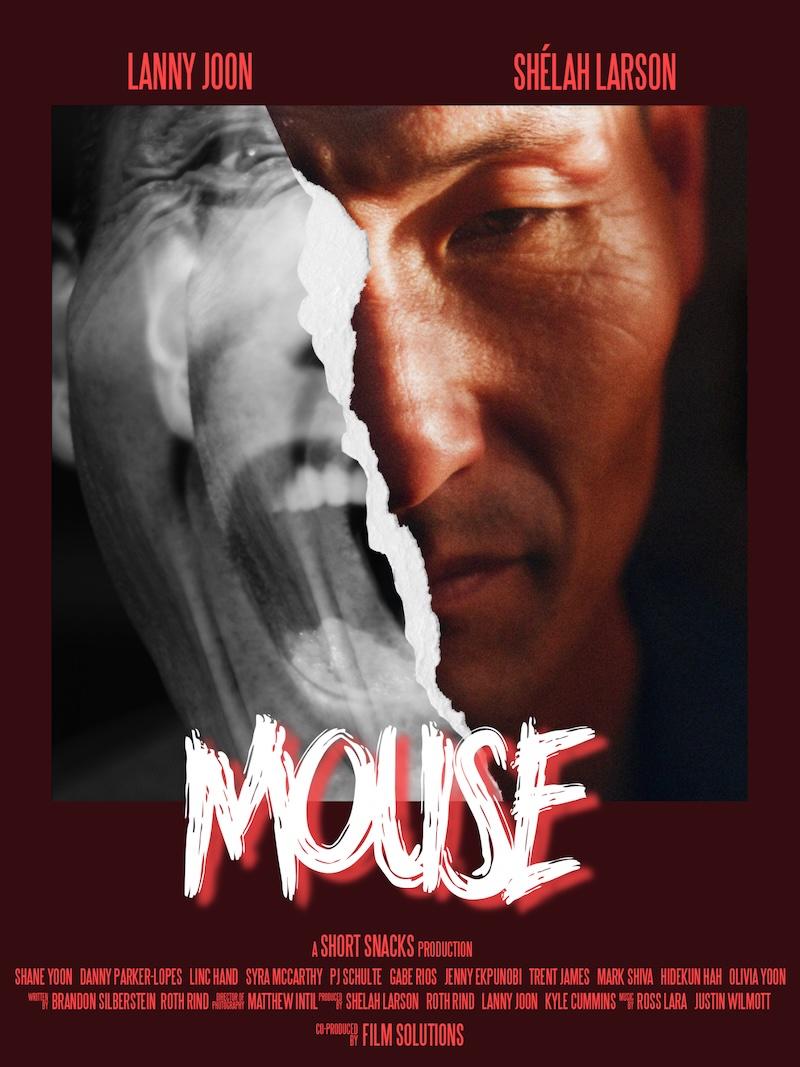
Rather than waiting for financing, the team built the series using what they had immediate access to, locations, collaborators, and time.
The entire 14-episode season was produced for under $8,000, with a crew that typically ranged between two and three people. Rind directed while operating the camera, and actors frequently took on additional responsibilities behind the scenes.
What might traditionally be viewed as compromise became a form of creative alignment.
“When everyone is that close to the work, there’s no separation between intention and execution,” Rind explains. “The story becomes the only priority.”
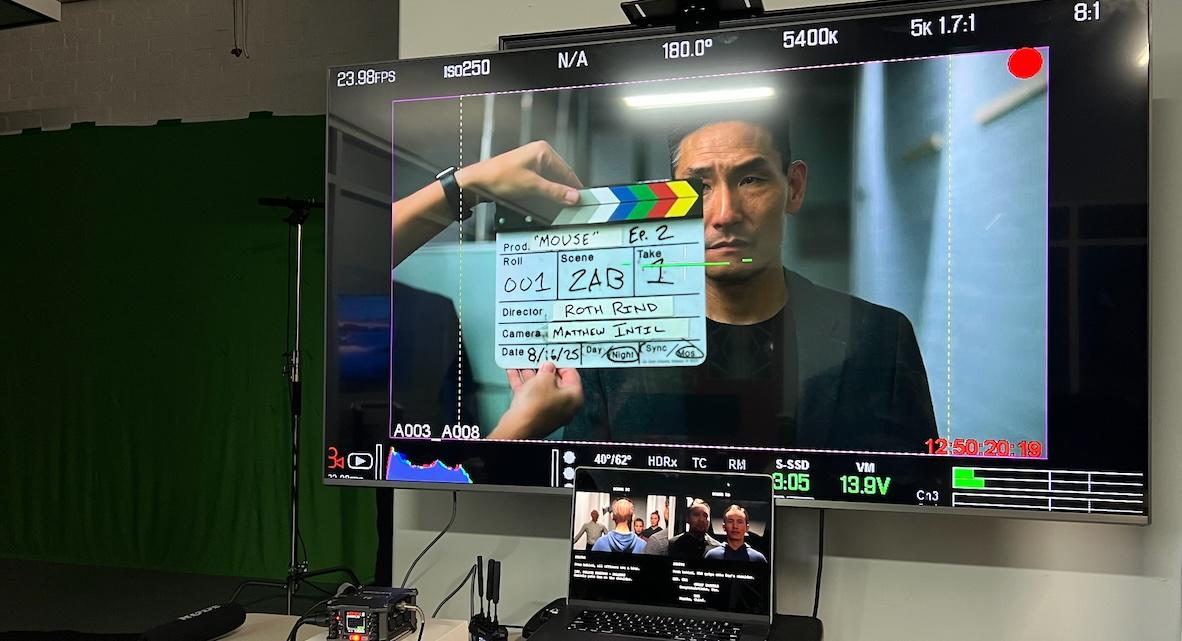
Collaboration Over Hierarchy
This production model also reshaped the dynamic between departments.
Actors like Lanny Joon and Larson were not only responsible for their performances, but also contributed to the broader creative direction of the series. Joon, who plays Detective Sam Park, also served as a producer, helping guide both narrative and production decisions.
This level of involvement created a shared sense of ownership across the project, one that extended to every member of the team.
Cinematographer Matthew Intil, working on his first major project in the role, collaborated closely with Rind to develop a visual style that prioritized character and atmosphere over technical excess.
Redefining Scale
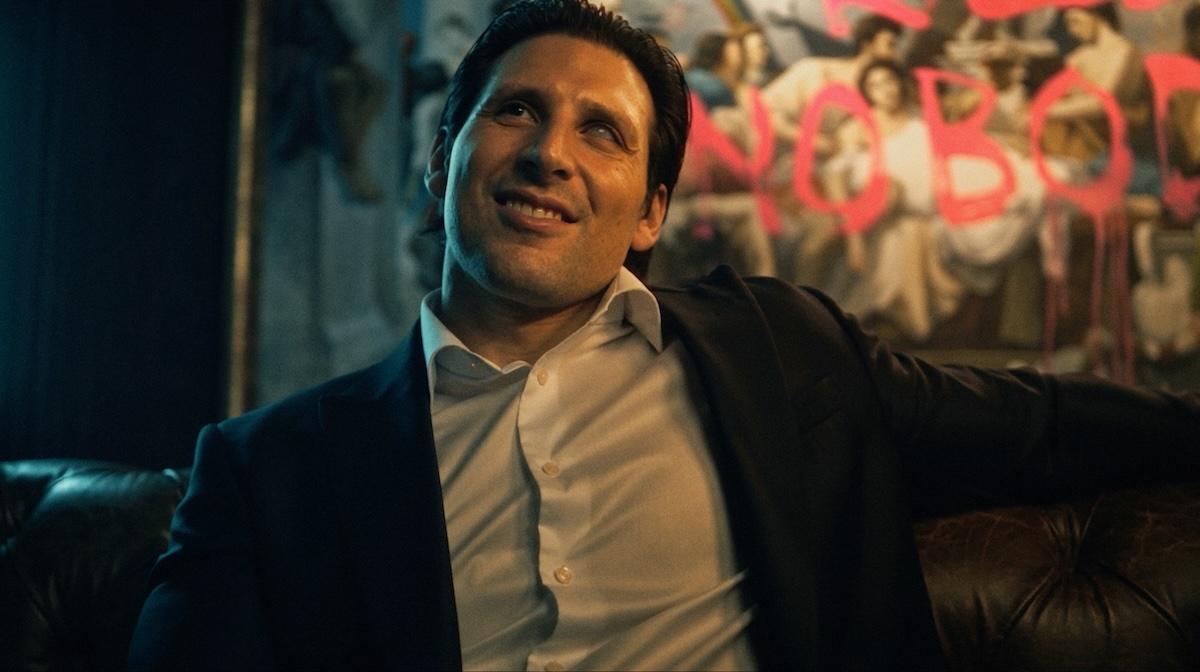
Despite its minimal footprint, MOUSE maintains a tone and structure more commonly associated with large-scale productions.
The series explores themes of identity, guilt, and control through a psychological lens, using performance and pacing to build tension rather than relying on spectacle.
This approach reflects a broader belief that scale is not defined by budget, but by clarity of vision.
Beyond 'MOUSE'
For Rind, MOUSE is not an endpoint, but a foundation.
He is currently developing the feature film ORBIT, a large-scale sci-fi project that expands on the same thematic interests: human connection, consequence, and the tension between emotion and logic.
In that sense, MOUSE serves as both a standalone series and a proof of concept: a demonstration that story-driven filmmaking can exist at any scale, provided the intention is clear.
“This was one of the most fun and creative experiences of my life with an amazing cast and crew,” Said actor PJ Schulte
A Return to First Principles
At its core, MOUSE represents a return to the fundamentals of filmmaking: performance, collaboration, and storytelling.
Not as a rejection of the industry, but as a reminder of what exists outside of it.