
Fab Factory Studios and Milkyway Brands Bet on Vertical Integration in the Creator Economy
Fab Factory's client roster includes SZA, will.i.am, The Chainsmokers, and major film and television productions.

June 30 2026, Published 4:58 p.m. ET

Entertainment infrastructure companies are expanding margins by capturing multiple revenue streams from the same customer base.
Fab Factory Studios' strategic investment in Milkyway Brands reveals a fundamental shift in how entertainment companies are structured to maximize creator monetization. Rather than building studios that rent time and equipment, Fab Factory is evolving into a vertically integrated infrastructure platform that captures value across content creation, post-production and commerce fulfillment.
The Creator Commerce Gap
The creator economy has generated massive revenues for platforms, management companies, and third-party service providers. Yet most creators remain fragmented across multiple vendors for core business functions. A musician records in one studio, posts content to multiple platforms, manufactures merchandise through separate vendors, and fulfills orders through yet another fulfillment center. Each handoff introduces friction, extends timelines, and transfers margin to intermediaries.
Milkyway Brands identified this structural inefficiency. Founded by Franco Infante, the company controls the entire merchandise production pipeline: design, in-house manufacturing, decoration and drop-ship fulfillment. By owning equipment and processes end-to-end, Milkyway captures margin that would otherwise flow to third-party manufacturers and fulfillment houses.
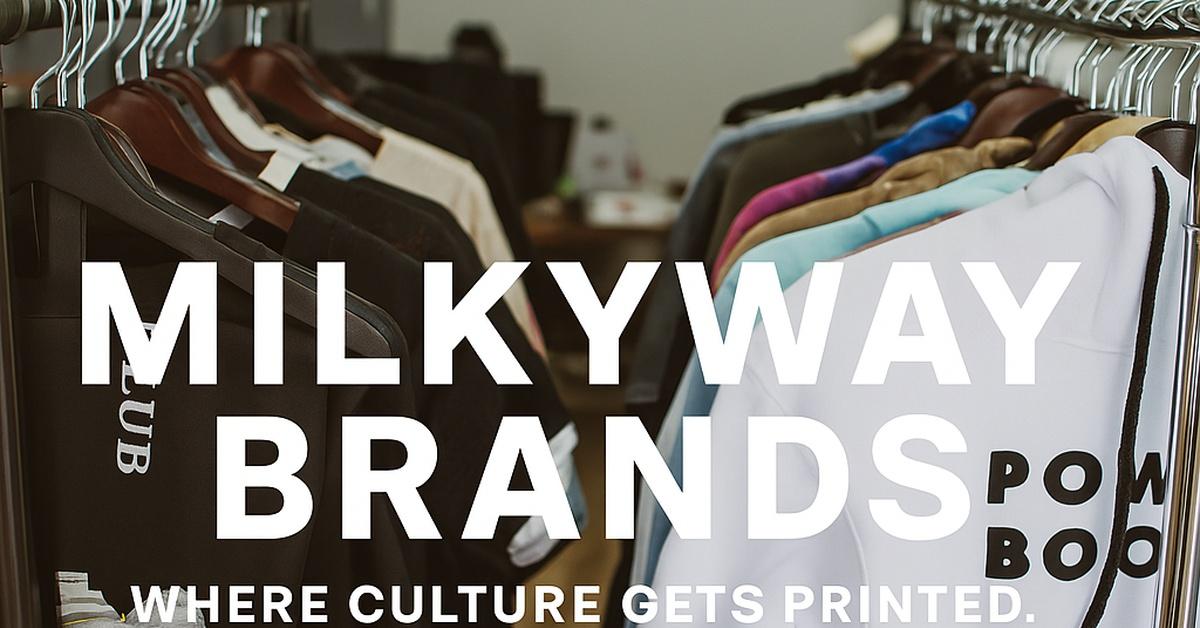
The economics are straightforward. A creator using fragmented vendors might pay 15-25% of merchandise revenue in combined manufacturing, handling and fulfillment costs. A vertically integrated operator like Milkyway retains that margin while offering the creator faster time-to-market and quality control.
Ownership as a Competitive Moat
Fab Factory chairman Steven Fabos has consistently pursued vertical ownership across his ventures. Before founding Fab Factory, he built Steven Charles, a gourmet dessert company that became the private-label supplier behind Starbucks' cake pops. Bain Capital-backed DessertHoldings later acquired the company.
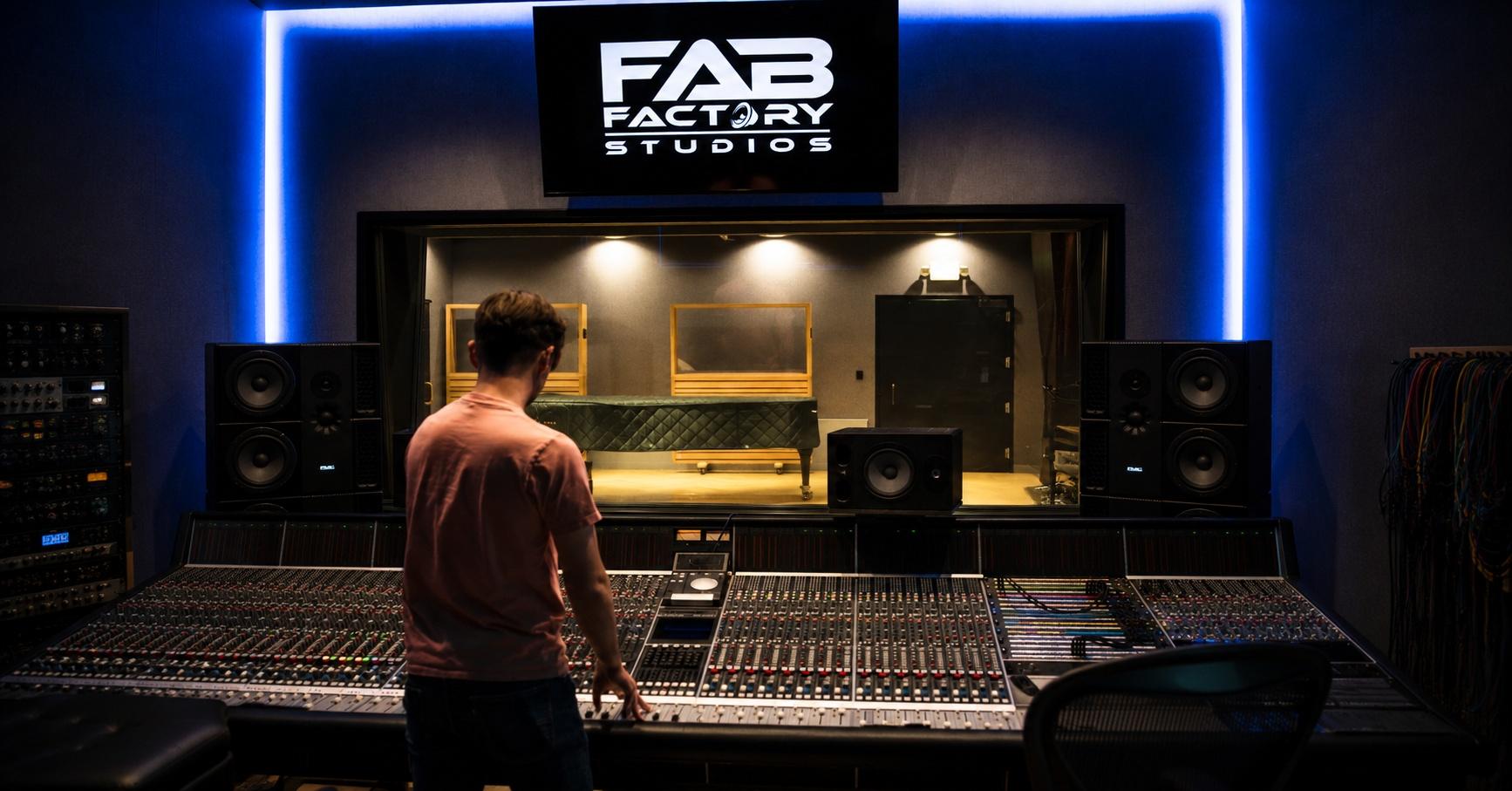
Fabos applied that same principle to entertainment infrastructure. Fab Factory now operates 120,000 square feet of production, post-production and event space across two Los Angeles campuses, previously serving Netflix as a post-production hub. By owning the infrastructure rather than renting it, the company controls cost structure, quality standards and customer relationships.
The Milkyway investment extends that model. By housing merchandise production on the Fab Factory campus, the company achieves multiple economic benefits: reduced customer friction, higher switching costs for creators who have invested in the Fab Factory ecosystem, and margin capture at multiple points in the creator value chain.
Revenue Diversification in Action
From a business standpoint, Fab Factory's strategic shift addresses a structural vulnerability in pure-play studio operators. Studio rental is a cyclical, capacity-constrained business with limited pricing power. Fab Factory's client roster includes SZA, will.i.am, The Chainsmokers and major film and television productions, but studio utilization remains subject to client demand fluctuations.
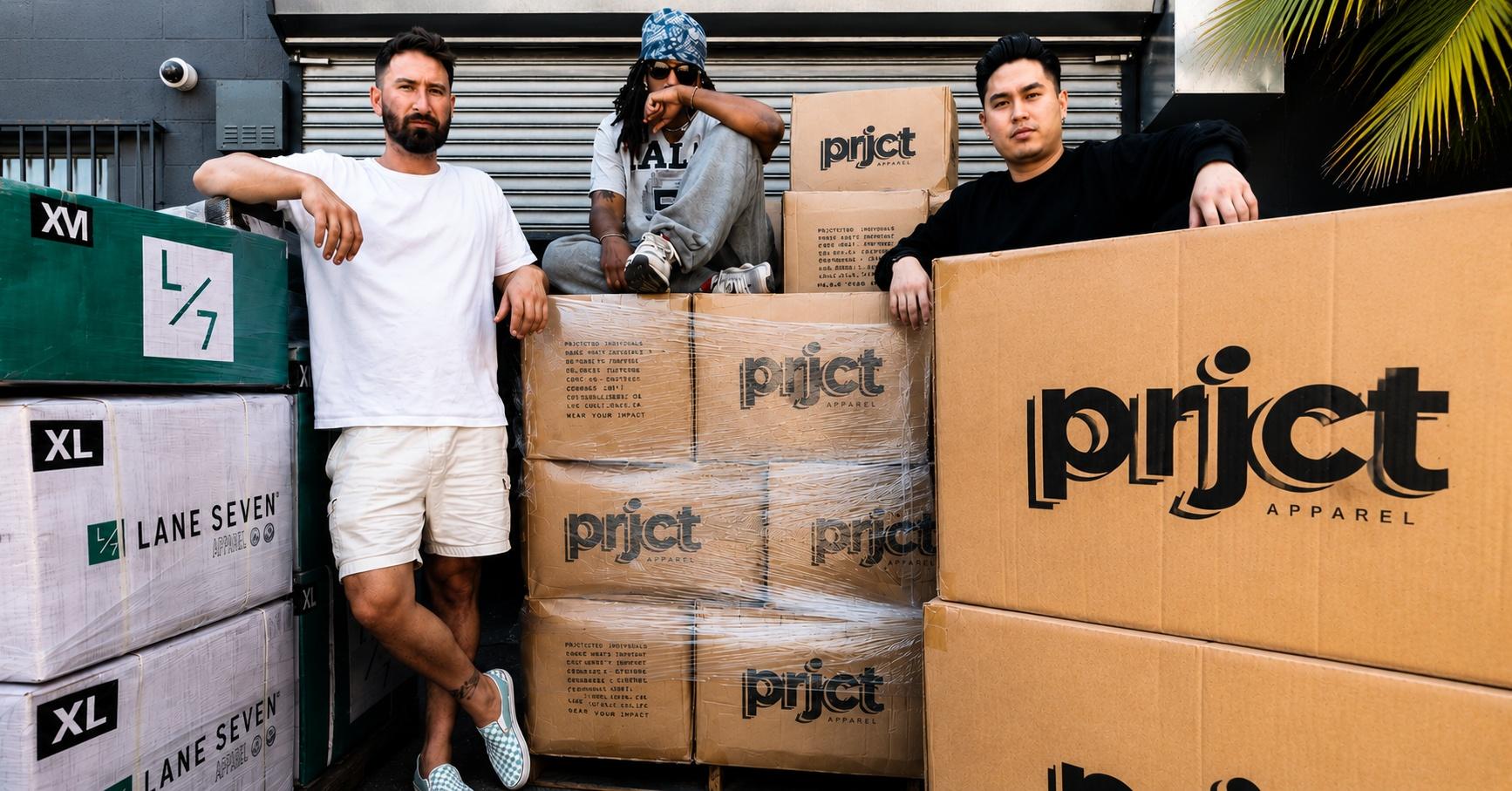
By adding merchandise fulfillment, licensing and potentially platform services (through Milkyway's Prjct Merch Shopify integration), Fab Factory creates recurring revenue streams less dependent on studio booking cycles. A creator who manufactures merchandise on campus generates fulfillment revenue, inventory carrying costs and platform fees that repeat monthly or quarterly, stabilizing revenue visibility.
The investment also increases customer lifetime value. A creator who uses Fab Factory for recording and post-production now has economic incentive to use Milkyway for merchandise. That bundled relationship strengthens retention and increases switching costs.
The Broader Entertainment Infrastructure Trend
Fab Factory's strategy reflects a broader consolidation in entertainment infrastructure. As creator revenue diversification accelerates, infrastructure operators increasingly compete on integrated service offerings rather than individual capabilities.
The creator economy is estimated at 250 billion dollars globally, with merchandise and physical product representing 20-30% of creator revenue for established artists. Yet most of that revenue flows through fragmented supply chains owned by third parties. Vertically integrated operators like Fab Factory are positioned to capture that margin while improving the creator experience.
For Fab Factory, the Milkyway investment also signals confidence in the longevity of the creator economy and the monetization trends driving it. By deploying capital into merchandise production, the company is betting that creator reliance on merchandise revenue will deepen over the next five to ten years.
Investor Positioning
The investment brought multiple operators onto Milkyway's cap table. Tai Savet, who led the acquisition, joined as an investor, as did Ketrina "Taz" Askew, longtime manager of Grammy-nominated artist Jhené Aiko and founder of ArtClub International. Chris Cyre, a music and merchandise veteran, also took a stake.
The investor group's composition signals the deal's strategic rationale. Askew and Cyre bring creator relationships and operational expertise. Their participation suggests Milkyway plans to leverage Fab Factory's infrastructure to scale creator onboarding and merchandise volume.
From an ROI standpoint, the investment makes sense if Fab Factory can achieve even modest utilization of its merchandise production capacity. Current estimates suggest a vertically integrated merchandise operation can generate 8-15% gross margins on fulfillment volume while reducing customer acquisition costs by 30-40% through bundled studio and merch packages.
Capital Deployment Economics
Though terms were not disclosed, the investment size is material enough to fund warehouse expansion and production equipment. Merging Milkyway onto the Fab Factory campus likely required $2-5 million in capital deployment for facility buildout, equipment relocation, and integration.
That capital deployment makes sense only if Fab Factory projects significant merchandise volume increase. The company is signaling confidence that its existing client roster, combined with new creator relationships through Milkyway's network, will drive utilization sufficient to generate acceptable ROI on the capital deployed.
For entertainment infrastructure companies, the formula is clear: own the processes, capture the margins, and build switching costs through integrated service offerings. Fab Factory's bet on Milkyway suggests the company believes that formula applies to creator commerce as forcefully as it did to gourmet desserts.