
Donald Trump’s IRS Tax Leak Settlement Contains Some Wild Terms
Here are the terms of the settlement agreement between Donald Trump and the IRS in the case of it allegedly leaking his confidential tax information.

May 29 2026, Updated 3:20 p.m. ET

There are a lot of questionable things President Donald Trump has done in his lifetime, both while in office and before. One of those is filing a lawsuit against the IRS seeking $10 billion over claims that the agency leaked his confidential tax information to the public during his first term.
Because, according to assistant Watergate prosecutor Nick Akerman in an op-ed published by The Hill on May 28, 2026, the lawsuit, in its entirety, was “bogus.”
Despite that claim, Trump ultimately walked away from the case with his head held high thanks to the settlement that was reached. Here’s what it includes, and why many are outraged by it.
The terms of the settlement reached in the Trump IRS tax leak case.
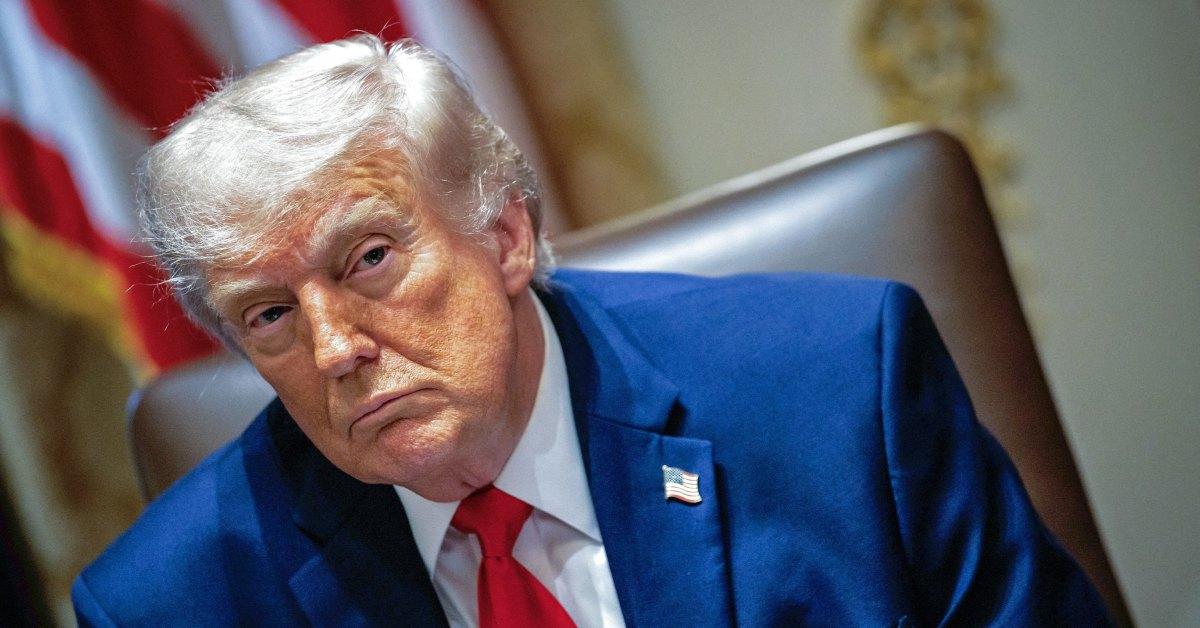
The terms of a settlement agreement between Donald Trump and the IRS in the case of him accusing the federal agency of leaking his confidential tax information have been revealed. According to a Department of Justice press release, a fund was created in the amount of $1.776 billion to go toward individuals who were reportedly targeted while Biden was president for political reasons.
According to a document released by the Office of the Attorney General on May 19, that fund has been dubbed the “Anti-Weaponization Fund,” and the document states that “the Settlement Agreement directed the Attorney General to issue an order establishing funding and any other relevant requirements for the Fund.”
In case you didn’t know, the current acting Attorney General is Todd Blanche who has a very close relationship with Trump. He reportedly said the money placed in the fund would go toward “victims of lawfare and weaponization” and that claims will stop being processed beginning Dec. 1, 2028.
Because, according to Blanche, “The machinery of government should never be weaponized against any American, and it is this Department’s intention to make right the wrongs that were previously done while ensuring this never happens again. As part of this settlement, we are setting up a lawful process for victims of lawfare and weaponization to be heard and seek redress,” the DOJ press release noted.
Any money left over after all claims are processed will go back to the federal government.
The settlement also provides immunity for Trump regarding past IRS matters.
While Trump and his family are not expected to receive any money, per Politico, the settlement does include language that appears to limit or block the IRS from taking action against Trump regarding past tax matters.
The DOJ document states: “the United States releases, waives, acquits, and forever discharges each of the plaintiffs from, and is hereby forever barred and precluded from prosecuting or pursuing, any and all claims, counterclaims, causes of action, appeals, or requests for any relief, including injunctive relief, monetary relief, damages, examinations or similar or related reviews, appeals, debt relief, costs, attorney’s fees, expenses, and/or interest.”
Needless to say, many are not pleased with the settlement reached in the case. Akerman, who is also a former Assistant U.S. Attorney in the Southern District of New York and an attorney in New York City, is clearly one of them, writing in his op-ed piece that Trump’s complaint “contained other legal flaws” and that his “lawsuit and bogus settlement are illegal.”