
The 10 Most Profitable Crops for Small Farms in 2023
In 2023, the agricultural landscape presents exciting opportunities for those seeking profitability on smaller scales.
Dec. 20 2023, Published 3:37 a.m. ET

The 10 best crops for small-scale farming

Embarking on a journey to make your small farm a lucrative venture requires strategic crop selection. Whether you're an experienced farmer diversifying your crops or a novice establishing an agricultural business, choosing the right cash crops is pivotal. In 2023, the agricultural landscape presents exciting opportunities for those seeking profitability on smaller scales. A carefully curated list combines market demand with ease of cultivation, providing a guide for prospective farmers. This selection encompasses diverse options, from the versatile goji berries to the gourmet delight of oyster mushrooms and the compact yet profitable microgreens. Each crop in this list is tailored to the dynamics of small-scale farming, offering a promising path to success in the ever-evolving world of agriculture in 2023.
1. Goji berries

Goji berries stand out as a promising option for small farms, thanks to their ease of cultivation and robust demand in the market. Suited for both experienced farmers and novices, goji berry plants yield abundant produce that can seamlessly integrate into various markets. Whether displayed on grocery store shelves, incorporated into restaurant dishes, or featured in high-end food products, the demand for goji berries remains consistently high. The berries' adaptability to different culinary uses and their nutritional value further enhance their appeal. As a result, cultivating goji berries proves to be a strategic choice, aligning profitability with relatively straightforward farming practices.
2. Oyster mushrooms

Gourmet mushrooms, and specifically oyster mushrooms, emerge as a lucrative opportunity for small farms, promising a swift turnaround and financial gains. Cultivating these fungi proves to be not only economically viable but also logistically feasible for farmers seeking profitability. Oyster mushrooms boast low production costs, making them an attractive choice for those with limited resources. The high market value of these gourmet delights further enhances their appeal, as they cater to the ever-growing demand for exquisite culinary experiences. Whether integrated into upscale restaurants or featured in specialty markets, the versatility of oyster mushrooms ensures a broad market reach. Small-scale farmers can capitalize on this trend, combining accessibility with a product that adds a touch of sophistication to various culinary creations.
3. Microgreens

Microgreens, exemplified by varieties like arugula, emerge as a compact yet highly profitable option for small farms. The appeal lies not only in their diminutive size but also in their ability to generate a steady source of income with minimal space requirements. Ideal for those with limited agricultural acreage, microgreens have gained popularity due to their versatility and nutrient-packed profile. Their short growth cycle allows for quick turnovers, enabling farmers to meet the consistent market demand for these tiny greens. Small-scale farmers can capitalize on this culinary trend, turning a limited space into a productive and lucrative venture.
4. Almonds

Almonds, regarded as a long-term investment, hold substantial promise for small farms, offering a pathway to high returns, particularly in favorable climates. Growing almond trees requires patience as they may take some time to reach maturity and yield a significant harvest. However, the eventual payoff makes almonds a valuable and enduring addition to your crop selection. The profitability of almonds lies not just in their economic returns but also in their contribution to the diversification of a farm's offerings. The sustained benefits and market demand for almonds position them as a strategic choice for those looking to secure lasting success in the agricultural landscape.
5. Coconuts
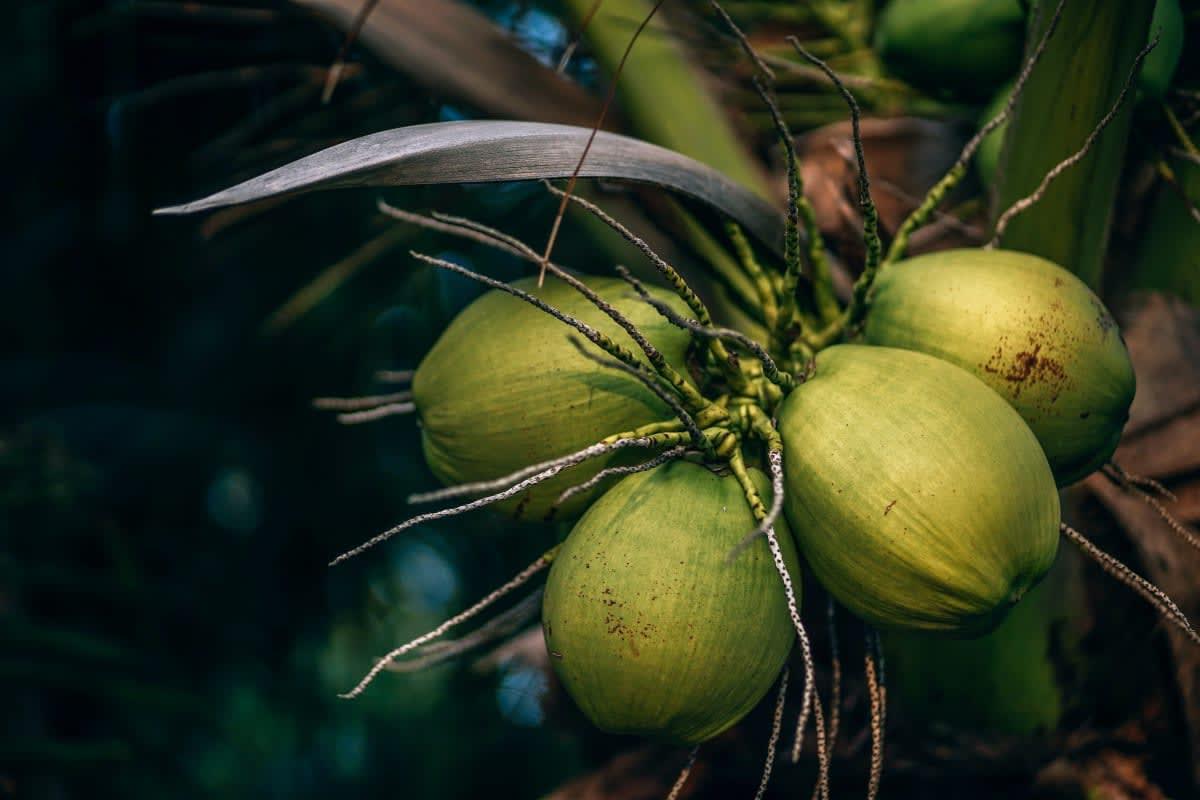
In regions blessed with warm climates, coconuts emerge as one of the most lucrative crops for small farms. What makes coconuts particularly attractive is their ability to thrive with minimal resources, making them a viable option for farmers with limited initial investments. These hardy plants, once established, undergo expansive growth, transforming into large and fruitful trees. The versatility of coconuts extends beyond their culinary use; they are employed in various products, from coconut oil to water, adding to their market desirability. This makes them not only a profitable agricultural venture but also a sustainable source of income for small farms. The enduring demand for coconut-based products, coupled with the trees' resilience and adaptability, positions coconuts as a strategic choice, ensuring that small-scale farmers can capitalize on the tropical abundance and secure long-term profitability.
6. Ginseng

Ginseng, renowned for its applications in therapeutic and supplement products, emerges as a potentially lucrative venture for small farms. The demand for this herb, often associated with health and wellness, makes it an appealing addition to diverse agricultural portfolios. While the cultivation of ginseng may require time for the roots to mature, the strategic advantage lies in the ability to generate interim revenue by selling seedlings. This dual approach not only ensures a steady income stream during the maturation period but also establishes a foundation for future profits as the plants reach full growth. Small-scale farmers can thus navigate the unique market dynamics of ginseng, leveraging both immediate and long-term gains.
7. Cherry tomatoes
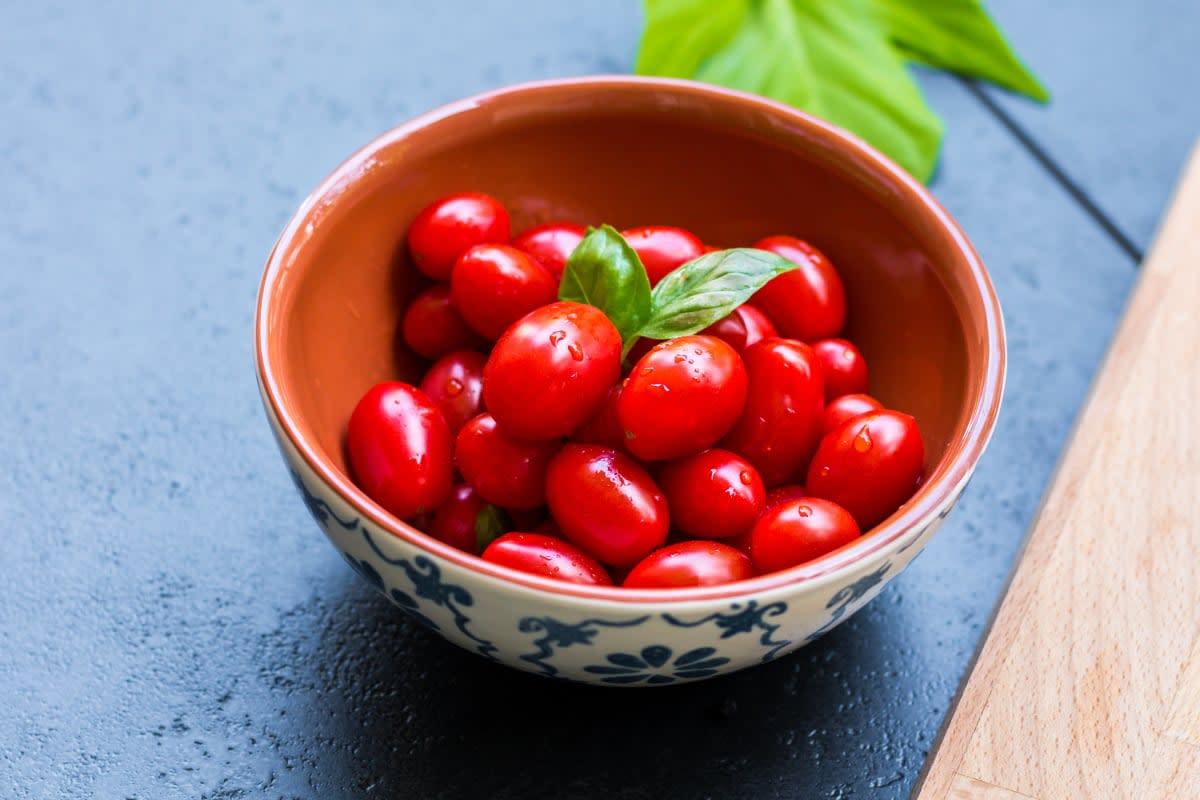
Cherry tomatoes, characterized by their rapid growth and culinary versatility, stand as a delight for small farms. These vibrant plants not only offer a burst of flavor but also prove to be a reliable and profitable choice for agricultural ventures of any scale. With their ability to reappear effortlessly year after year, cherry tomatoes become a consistent source of income, requiring minimal effort for sustained cultivation. Their versatility in various dishes, from salads to sauces, positions them as a sought-after ingredient in the culinary world. The compact nature of cherry tomato plants makes them suitable for small spaces, further enhancing their appeal to farmers with limited acreage. As consumer demand for fresh, locally grown produce continues to rise, the dependable and fruitful nature of cherry tomatoes makes them a strategic choice for small-scale agriculture, ensuring both culinary satisfaction and economic success.
8. Garlic
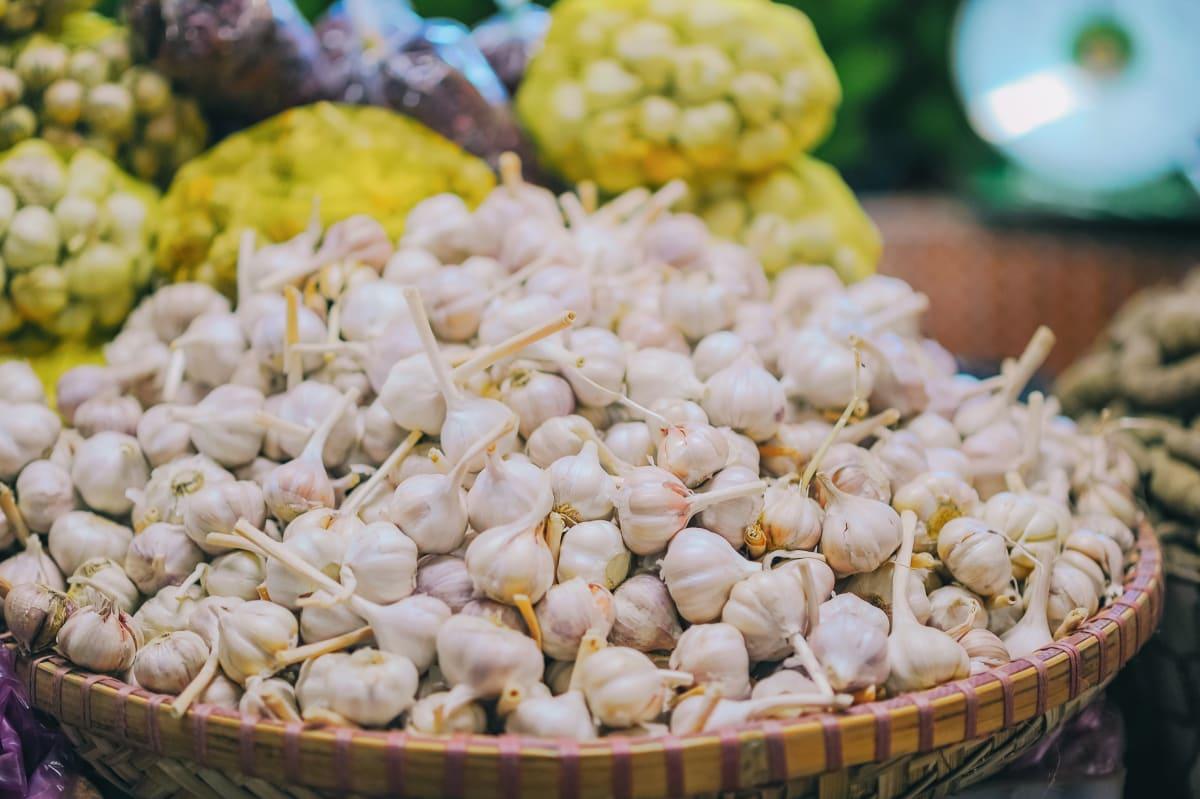
Garlic, a culinary cornerstone, emerges as a profitable venture for small farms due to its high demand and premium pricing in the gourmet market. The allure of cultivating garlic lies not only in its essential role in diverse dishes but also in the financial rewards it offers. Small farms can capitalize on the minimal space and resource requirements of garlic cultivation, turning limited acreage into a source of substantial profits. The ever-growing demand for this aromatic bulb in the culinary world positions it as a strategic crop choice. With its ability to flourish in small plots and simplicity in cultivation, garlic becomes an accessible avenue for farmers aiming to cater to the discerning tastes of the gourmet market.
9. Saffron

Saffron, despite its initial investment demands, stands out as a highly profitable crop for small farms. As one of the most expensive culinary herbs globally, cultivating saffron plants offers substantial annual profits once established. The exquisite value of saffron, derived from its crimson stigmas (flowers), has made it a coveted ingredient in the culinary world, commanding a premium price. While the startup costs may be higher compared to some other crops, the enduring demand for saffron makes it a valuable addition to the portfolio of small farm ventures. Patience is a virtue in saffron cultivation, as the plants take time to mature and yield the sought-after spice. However, the eventual rewards and the consistent market for this culinary treasure make saffron a strategic choice for those willing to invest upfront for long-term profitability in the ever-evolving landscape of small-scale agriculture.
10. Basil
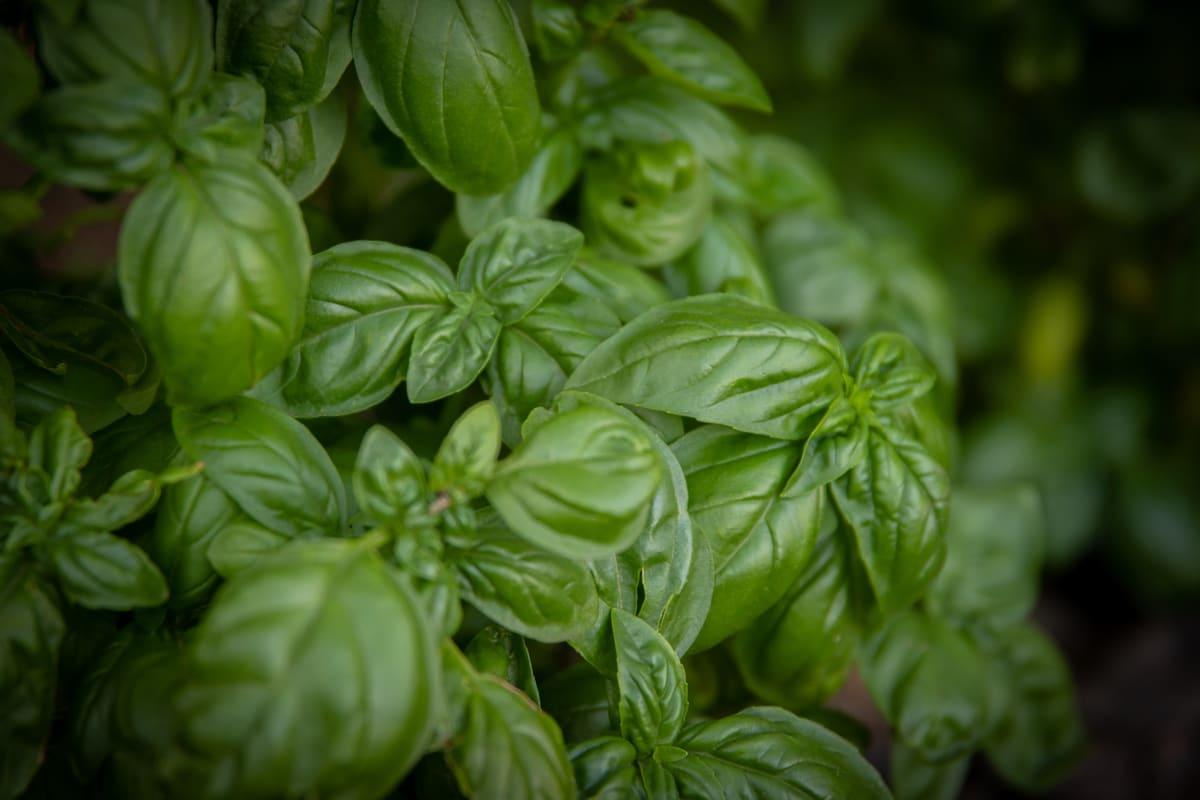
Basil, a culinary mainstay, emerges as a profitable and accessible choice for small farms, offering a myriad of benefits to both beginners and seasoned farmers. Renowned for its prominence in various dishes, basil's popularity contributes to a consistent demand in the market. What makes it particularly attractive for small-scale agriculture is not only its culinary versatility but also its ease of cultivation. Basil doesn't require a large outdoor garden, making it suitable for farms with limited space. Its adaptability to different climates further enhances its accessibility. Small farms can capitalize on the perennial demand for fresh basil, whether sold directly to consumers or integrated into local markets. With minimal cultivation efforts and a reliable market, basil has established itself as a reliable and resilient herb in the diverse landscape of small-scale farming.