
With Over 680,000 Cases in 2022, Paper Check Fraud Is on the Rise; Here's How to Protect Yourself
There has been a noticeable uptick in the number of check fraud claims filed by customers
Nov. 22 2023, Published 2:03 a.m. ET

In an era dominated by online banking and electronic payments, the resurgence of paper check fraud has become a concerning trend, catching many Americans off guard. The American Bankers Association (ABA) acknowledges the seriousness of this issue, recognizing the need for collaborative efforts with stakeholders to tackle the root problem – the sophisticated scams perpetrated by criminals preying on both customers and the banks that serve them.
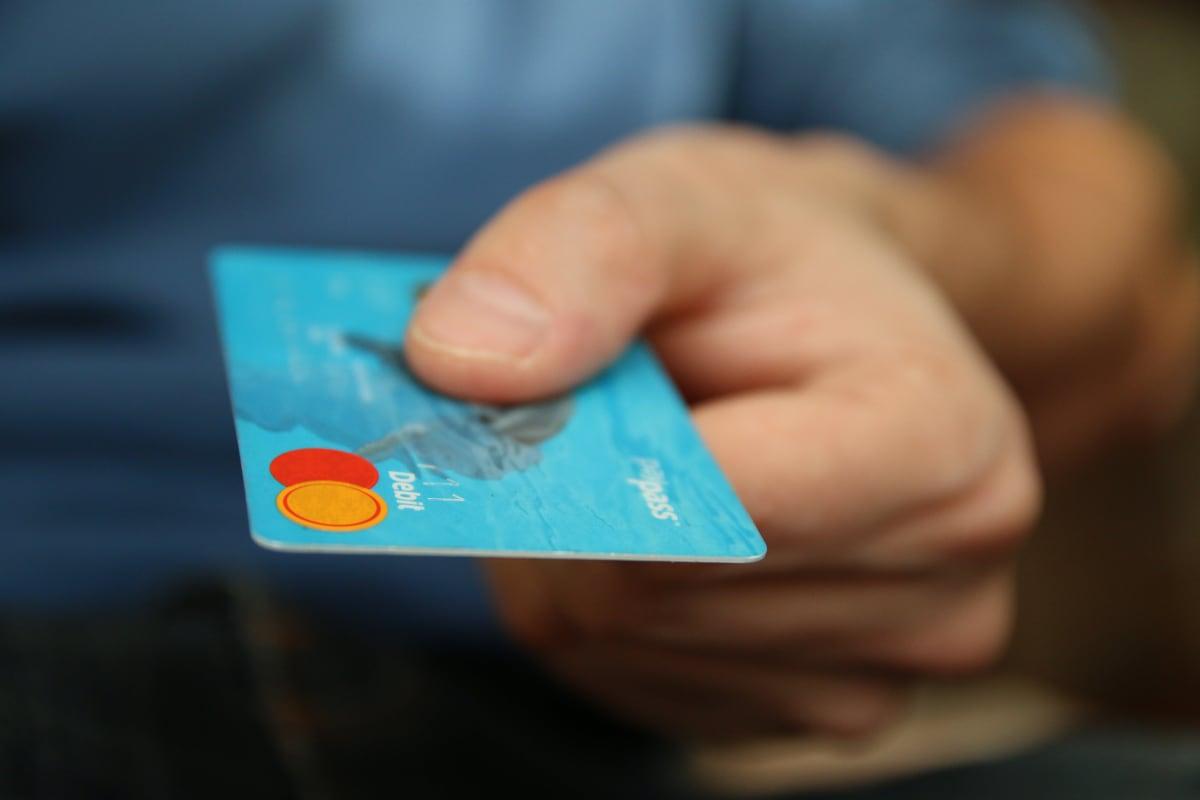
Paper Check Fraud: A Growing Threat in the Digital Age
Over the past few years, there has been a noticeable uptick in the number of check fraud claims filed by customers, even as the use of paper checks continues to decline. Joe Bernardo, Global Head of Fraud and Claim Operations at Wells Fargo, based in Columbus, Ohio, notes, "Even though fewer and fewer people are using paper checks every year, fraudsters have shown they prefer to attack this low-tech method of payment."
According to the Financial Crimes Enforcement Network (FinCEN), the U.S. Treasury's investigative arm, check fraud has more than doubled over the past three years. In 2022, FinCEN reported a staggering 680,000 cases of possible check fraud, up from 350,000 in 2021, marking a 23% increase over reports in 2020.
The Evolving Tactics of Check Fraudsters
Unlike digital payment methods, paper checks have not evolved to incorporate enhanced security features. While credit cards and other digital payment systems regularly receive updates to strengthen security, paper checks remain frozen in time, making them an attractive target for fraudsters.
The methods employed by scammers to acquire checks are diverse. They range from stealing checks through everyday commerce to pilfering check payments from the mail. Additionally, criminals may obtain customer credentials through phishing scams, allowing them to review check images online and create counterfeit copies of consumers' checks.
One particularly insidious tactic involves the theft of mail to obtain paper checks. Once in possession of a check, fraudsters chemically 'wash' the original ink off the check, altering the amount and payee's name. The modified check is then cashed, effectively stealing money from the victim's account.
Another avenue for criminals to access accounts involves obtaining a customer's bank routing and account number to create fake checks. By purchasing blank checks from office supply stores, fraudsters manufacture counterfeit checks using actual customer account information, providing them with an opportunity to siphon funds from the targeted account. Regardless of the method, the criminal's goal remains constant – to access and steal money.
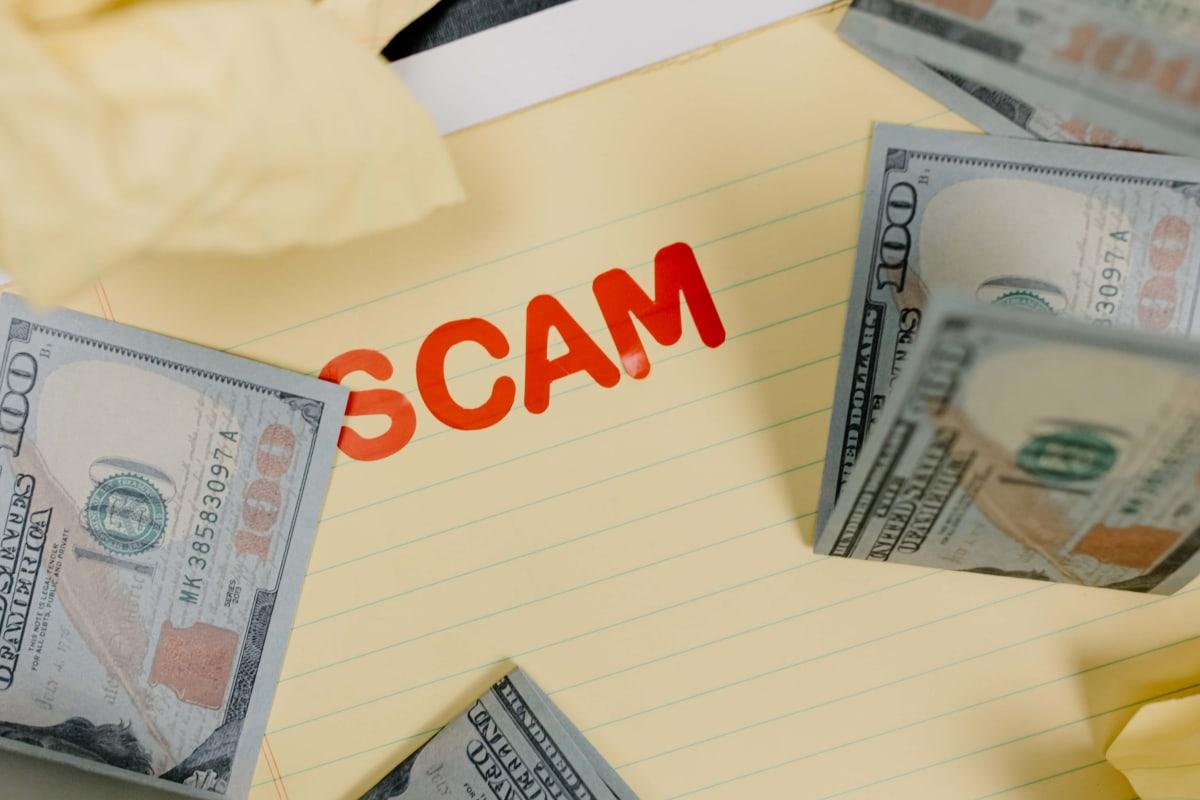
Industry Response to Check Fraud
Recognizing the severity of the issue, the American Bankers Association (ABA) is actively working with members, law enforcement, the Postal Service, and regulators to implement innovative solutions. Collaborative efforts across the industry aim to address the root causes of check fraud and create a more secure financial environment for consumers.
As check fraud becomes more sophisticated, the need for proactive measures and information-sharing between institutions and regulatory bodies becomes paramount. Industry stakeholders are joining forces to stay ahead of evolving tactics employed by fraudsters, ensuring a more robust defense against these threats.
Why Paper Checks Remain Vulnerable in the Digital Payment Landscape
In many ways, paper checks remain less secure than their digital counterparts. While credit cards and digital payment systems continuously incorporate security enhancements, the security of paper checks has not kept pace. The vulnerability of paper checks is evident in the rising cases of fraud, highlighting the urgent need for individuals to reconsider their dependence on this outdated payment method.
Individuals are encouraged to recognize the inherent risks associated with paper checks and consider transitioning to more secure alternatives offered by the digital payment landscape. The comparison serves as a stark reminder of the importance of staying informed about evolving payment technologies and adopting practices that prioritize security.

Practical Tips to Safeguard Against Paper Check Fraud
As paper check fraud continues to pose a threat, individuals can take proactive steps to safeguard their finances:
Use Digital Payments: Embrace the security features of digital payment methods to minimize exposure to paper check vulnerabilities.
Use Non-Erasable Black Gel Ink: When writing checks, opt for non-erasable black gel ink, such as a permanent marker, to prevent alterations by fraudsters.
Mail Checks at the U.S. Post Office: Avoid using mailboxes for check submissions; instead, utilize the security of the U.S. post office to reduce the risk of interception.
Review Accounts Regularly: Leverage your bank's mobile app to monitor account activity in real-time. Regularly review statements and cashed-check images to identify any irregularities promptly.
Report Suspicious Activity: If you detect any unauthorized transactions or suspicious activity, dispute them with your bank as soon as possible to prevent further financial loss.
By staying informed about the risks associated with paper checks and adopting these practical tips, individuals can better protect themselves against the rising threat of check fraud, especially as the holiday season approaches. In a landscape where financial security is paramount, these proactive measures empower individuals to navigate the digital age with confidence.