
'Pawn Stars' boss Rick Harrison pays a fortune to buy fossilized dinosaur dung
The guest wanted more than $3,000 for the item but the expert crushed his hopes.
Oct. 13 2025, Published 1:45 p.m. ET

Rick Harrison has seen items that could be described as peculiar or downright bizarre on "Pawn Stars," but the excretion of a prehistoric animal is definitely unique. But he did come across that when a seller walked in with coprolite, which basically means fossilized dinosaur dung. The material is popular for making jewelry, and that is where Harrison saw value. Ultimately, he ended up purchasing two giant samples of it for more than $1,000.
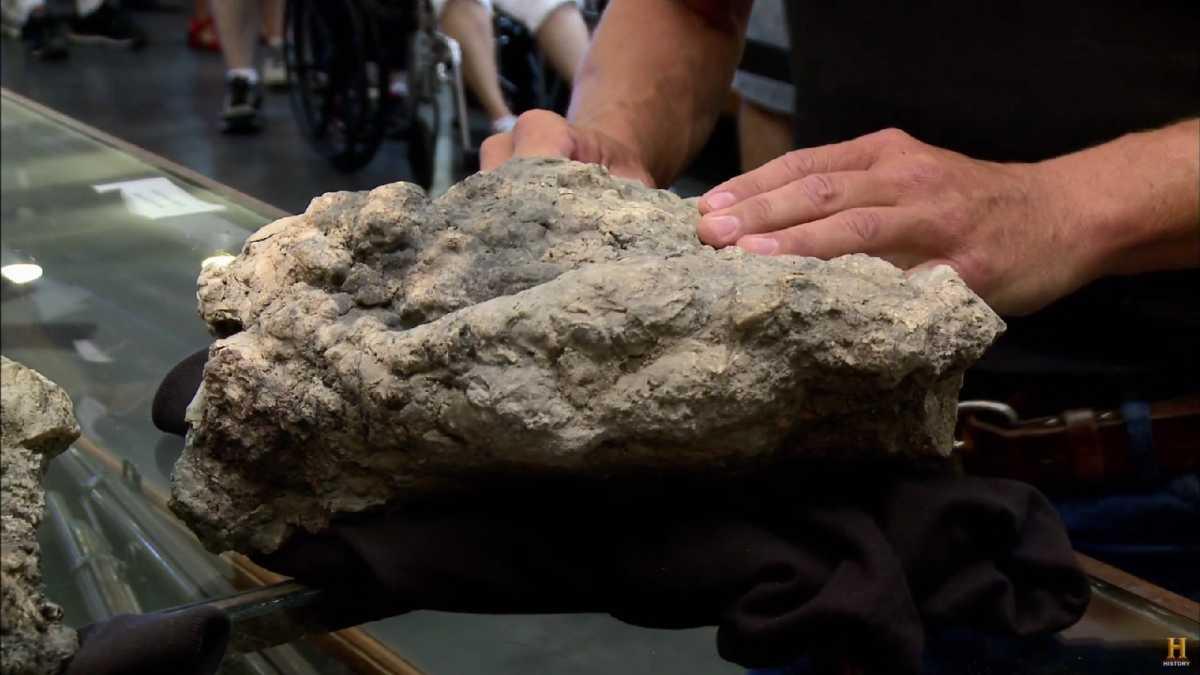
It was a good bargain as the guest wanted $3,200 for the entire thing. He had two giant rock formations, which he believed to be coprolite. “Some people like to sit there and watch football, I like to go out on the weekends and pick up dinosaur poop,” he said. When asked where he found the fossils, he said that they were from Central Wyoming.
While the guest could be credible, Harrison had his doubts about it. First of all, he asked the guest how he determined that it was coprolite and not a couple of giant pieces of quartz. The guest’s answer did not sound very convincing. “Just the varying colors,” he said. The coloration on both the rocks was different, which could mean that these were dung samples that came from different meals. Either way, Harrison was not confident about them at all.
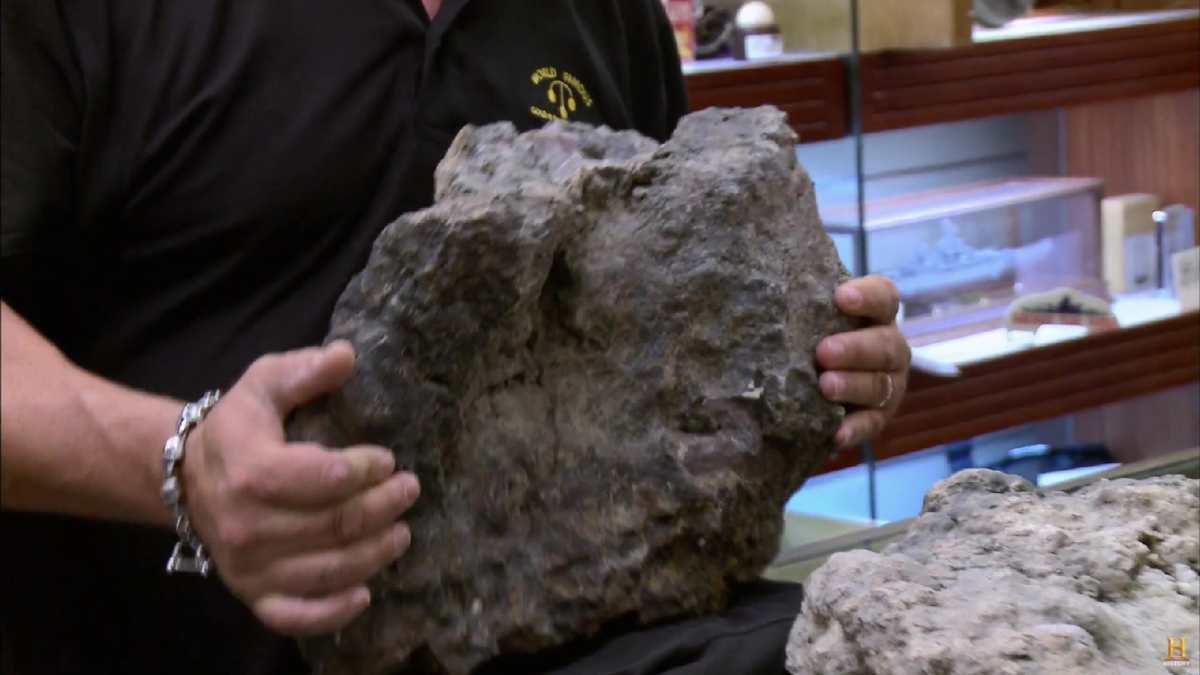
So, he decided to call in his staff gemologist to take a look. He was impressed when he saw just how massive the two rocks looked. “You’re only gonna see what it is now and not what it was 20 million years ago,” he said, before adding, “You have silica, which is quartz. You might have some calcite in here. The way that you can tell if this is an actual coprolite is by looking at the texture and shape.”
The expert then said that the rock had to be rounded like the texture of a popcorn. These rocks somewhat matched that description. Perhaps that’s why the gemologist said that it was fossilized dung, which was what the guest would have wanted to hear. It was then revealed that neither of those rocks would be sold as specimens but rather would be cut up into smaller pieces and then sold or used.
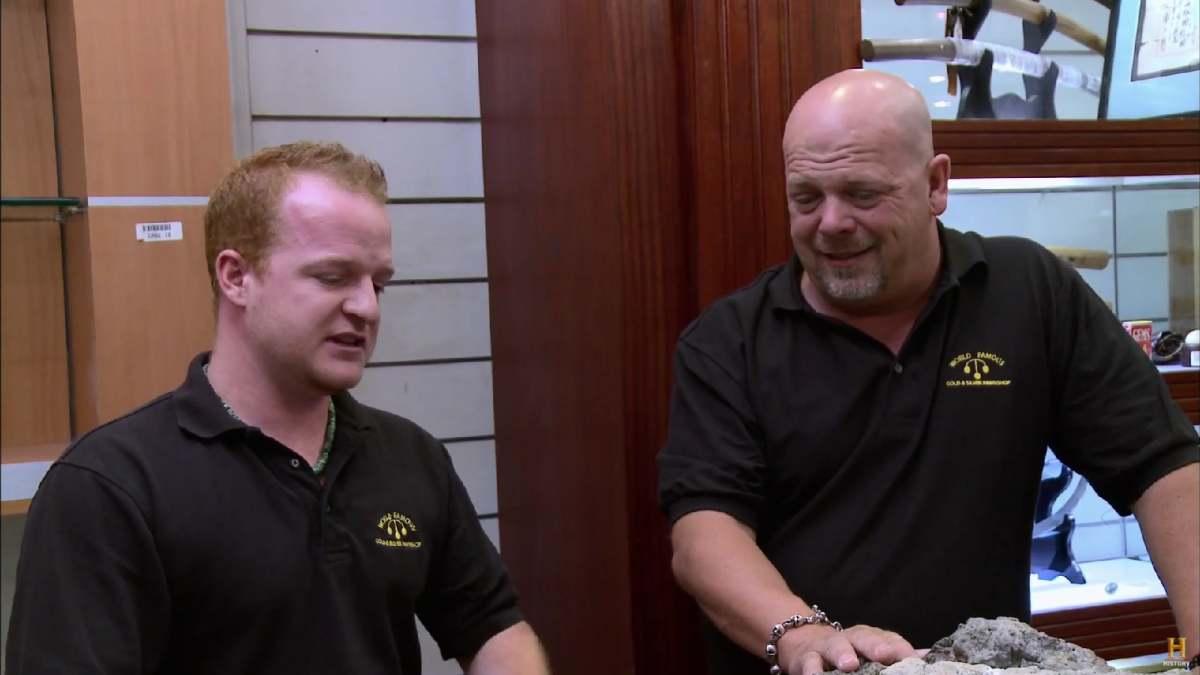
He then said that the material would sell for around $10 to $15 a pound, which was a lot less than the $40 a pound valuation the guest had believed. That was all Harrison needed to know. He offered the guest $1,000 for the rock, but changed his offer to $1,100 after some negotiation, and a deal was struck.
More on Market Realist