
How Smarter Grocery Planning Will Help Consumers Save More in 2026
Human and AI capabilities can lessen the effects of food inflation on consumers’ wallets in 2026.

Jan. 26 2026, Published 5:17 p.m. ET

Food prices aren’t exactly going down. Despite somewhat cooling inflation signs in 2025, a steal of a deal at the grocery store isn’t what it used to be. Remember the days when clipping coupons and $50 were enough for two weeks of food? OK, maybe for only a one-person household, but those days are distant memories. You’re lucky if you spend $80 to $100 for one week’s worth of groceries for a single person.
No matter how hard you plan or how many sales you stick to, the price at the register keeps creeping up. What if there was a smarter way to shop? With the rise in AI-driven, personalized tools, there is. Yes, these tools and the data pipelines behind them are gaining ground. However, smarter grocery planning stands to help consumers save even more in the year ahead, and here’s how.
Digital Shopping Assistants
You know the routine. You go to the store to pick up a few items and come home with too much stuff. Those “oh, why not” impulse buys or those items you thought you’d use end up in the garbage. Even if you made a list, you forgot you had a full loaf of bread in the fridge. Now you’ve got two to eat before one loaf goes bad.
The thing about being human is you’re going to overlook and forget. But digital shopping technology isn’t as prone to error. A healthy grocery delivery service with smart technology can create your lists and make personalized recommendations. AI analyzes your past behaviors and preferences, helping cut down on impulse and unnecessary purchases.

As you try different meals and ingredients, you can tweak what AI suggests. If you know right away you’re not going to like something, take it off the delivery list. The digital assistant won’t recommend it next time.
AI learns from you while constantly helping you refine your grocery planning. Your weekly costs become more predictable since you can see totals beforehand as items are added or subtracted. Subscription services also offer customized meal plans at the same average cost each week, helping you stay within budget.
Customized Discounts
If you don’t subscribe to a meal kit service, chances are you have a favorite grocery chain you visit. You’ve probably noticed personalized deals on items you frequently buy. These digital coupons can include discounts for a particular week, an entire month, or be for an “extra” reward. An example of an extra reward might be additional points you can redeem for dollars if you spend so much during the month.
Say the chain’s app offers 800 bonus points if you spend $300 in the month of October. You spend $300 and get rewarded with 800 bonus points, which you can redeem for $8 off your next purchase. As you spend, the app keeps track of how close you are to meeting the goal. It’s a way to save more on your groceries for the upcoming month, especially if you usually spend $300.
Estimates put food inflation at 3% for 2025. This 3% is part of the overall 30% jump from 2020 to 2025. Not taking advantage of digital discounts based on your shopping patterns seems foolish. Within different loyalty apps, you may also see a variety of customized discounts across brands for the same type of item.
Say you buy shredded cheese every week. You’ll likely see personalized discounts on name and private-label store brands, as well as various sizes. Your potential savings aren’t limited to generic sales or items. You get rewarded for loyalty, but also for continuing to buy your favorite foods.
Accessible Data
Be honest. Comparing prices when you’re in a grocery store is a pain. You’re trying to compare unit prices and verify shelf tags. Plus, there’s always the possibility that the price tag on the shelf isn’t accurate. Last week’s sale signs didn’t get taken down when the deals changed this morning.
What smarter grocery planning tools do is give you access to more accurate real-time data you can review in a less stimulating environment. You can see whether the 16-ounce jar of maple syrup at $5.49 is really a better deal than the 22-ounce jar at $9.99. AI tools also let you compare value and savings between brands.
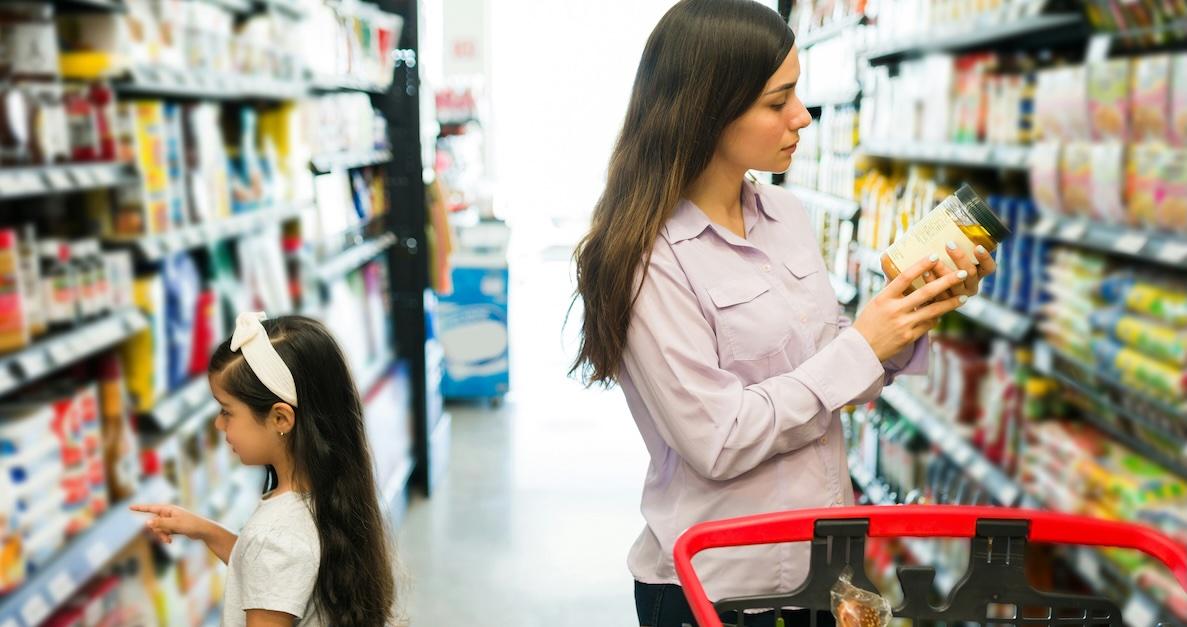
You’ve got pasta on this week’s list. You see a popular brand name is on sale for $2.59 a box. However, the tool gives you the whole picture by drawing your attention to the store brand’s regular price of $2.50. There is a small difference, but savings nonetheless.
Multiply tiny variances like these across your list, and you could come out spending less than you would otherwise. Another positive aspect of AI grocery shopping tools is that they track what you’re spending. If you notice an uptick you’d like to change, you can dig deeper into past purchases and get budget-friendly meal plan recommendations.
Smarter Savings
Astute grocery planning still involves making a list and sticking to it. Yes, you want to take a peek in the pantry and fridge. It’s also smart to think of ways to use the ingredients and foods you already have stored away in the kitchen.
But you don’t need to solely rely on human brainpower anymore. By adding smart technology to your planning, you can increase your savings while modifying behaviors that may be costing you. Together, human and AI capabilities can lessen the effects of food inflation on consumers’ wallets in 2026.