
4 Investments Every Rental Property Owner Should Make
Whether you own one or several rental properties, these four investments can help you operate more efficiently, protect your assets, and maximize long-term returns.

Dec. 12 2025, Updated 1:57 p.m. ET

Did you know that the median price for a house in the U.S. this year is $462,206? That's a pretty sizeable investment -- especially if it involves buying a rental property.
Whether you purchase an investment property outright or require a mortgage loan, there’s a lot at stake when someone decides to join the ranks of rental property owners. That’s one reason many decide it’s worth hiring a property management firm.
Of all investment strategies available today, rental property ownership is arguably one of the safest ways to build long-term wealth. Successful landlords know, however, that buying an attractive investment property in the right neighborhood isn’t enough. It’s also essential to protect that real estate so that it climbs, rather than declines, in value.
Whether you’re new to property ownership or seeking to shore up an existing portfolio, here are four key investments every rental property owner should focus on.

1. Hire a Property Manager
One of the smartest investments any rental property owner can make is retaining the services of a professional property manager. It’s important, however, to work with a service provider located relatively close to the investment property. So, for example, if you rent out a home in Fresno, Texas, you should hire a property management company serving the Fresno, Texas area. It’ll make life a lot easier.
While many new landlords try to handle everything themselves, the work can quickly become overwhelming. Screening tenants, responding to repair requests, collecting rent, and dealing with lease violations are just some of the things to deal with.
A property manager will take that burden off your shoulders. Instead of dealing with midnight calls from tenants complaining about non-functioning HVAC units, you can outsource those duties to a property manager that’ll fill in on your behalf.
Having to pay a fee to get some help might not seem like a good idea initially, but a good property manager will save you time and money. You’ll have a third party in your corner that can help with landlord duties you either don’t want to do or don’t have time to do.
2. Invest in Preventive Maintenance
Ongoing preventive maintenance is another thing you must invest in as a rental property owner. While it may seem a lot easier to simply fix problems as they come up, doing so will likely be more costly than tackling them right away. A proactive maintenance plan will keep the property at its best and extend the life of major systems such as HVAC units, plumbing systems, and roofing infrastructure.
Regular maintenance — such as servicing furnaces, cleaning gutters, and flushing water heaters — can prevent thousands of dollars in damage. Renters also like well-maintained homes, and are more likely to renew their leases if maintenance is a priority.
Preventive maintenance will protect your biggest asset while reducing long-term costs.
3. Energy Efficiency Upgrade
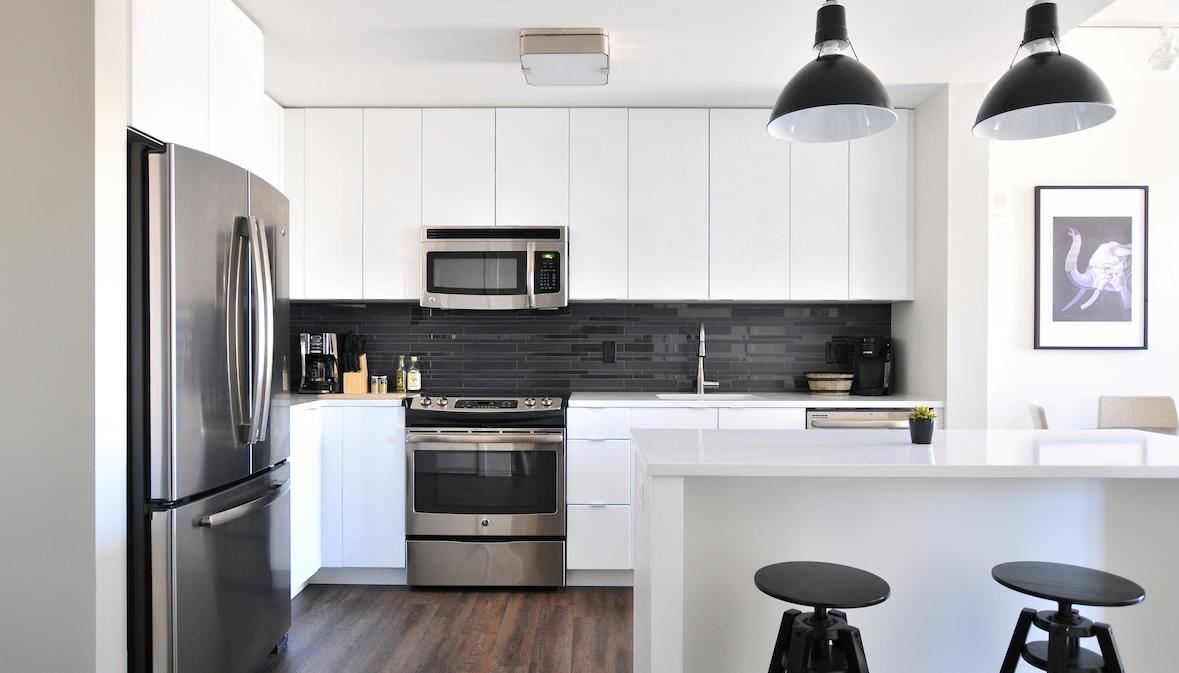
Energy-efficient upgrades are among the smartest, most cost-effective improvements rental owners can make. These upgrades can reduce utility costs and boost the value of the property, making it more attractive to tenants who care about the environment.
Many renters look for energy savings since lower utility bills can keep them within their budgets, so energy-efficient upgrades can be a win-win for property owners and renters.
Some areas also give landlords rebates, tax incentives, and energy grants for upgrading to efficient technologies. You can look into whether these things apply in your area.
4. Install Durable, Low-Maintenance Materials
Rental units will face more wear and tear than owner-occupied homes. So, durable, low-maintenance materials should be chosen -- especially for high-traffic areas. Instead of stylish finishes that require endless upkeep, landlords should select materials that are built to last. For example, luxury vinyl planks are more durable than carpets. Tenants will, moreover, also appreciate the former over the latter if given a choice.
A rental with durable surfaces will stay attractive and cost-effective for a long time, with less need for frequent updates.
A low-stress, profitable rental business doesn't happen by accident. It involves a strategy, and that entails knowing what investments are necessary. When rental owners make such strategic investments, they can boost the value of their real estate.
Whether you own one or several rental properties, these four investments can help you operate more efficiently, protect your assets, and maximize long-term returns.