
Do Forex Trading Bots Really Work for Passive Income?
Automated forex trading has captured the imagination of anyone searching for genuine passive income stream — but nothing about automated trading is truly passive.

Dec. 8 2025, Updated 4:29 p.m. ET

The promise sounds almost too good: set up a trading bot, let it run, and watch the money roll in while you sleep. Automated forex trading has captured the imagination of anyone searching for genuine passive income streams, and for good reason. The foreign exchange market operates around the clock, algorithms don't need coffee breaks, and the technology to automate trades has never been more accessible. But between the dream and the reality sits a gap that catches most beginners off guard.
Before diving into automation, it helps to understand how forex trading works at a fundamental level. The forex market processes over $7 trillion in daily volume, dwarfing stock markets and creating opportunities at virtually every hour. This constant activity is precisely what makes automation attractive.
A human trader might catch the London session, maybe overlap with New York, but nobody can physically monitor EUR/USD at 3 AM while also functioning the next day. Trading algorithms—often called Expert Advisors or EAs—don't have this limitation. They execute predefined strategies without fatigue, emotion, or the need to sleep.
Why Most Automated Trading Setups Fail Before They Start
The uncomfortable truth is that the majority of retail traders who attempt automated strategies abandon them within months. The reasons rarely have anything to do with the strategy itself. Instead, the failures stem from infrastructure problems that seem minor until they cost real money.
Running a trading bot from a home computer introduces variables that most beginners never consider. Internet connections drop. Power outages happen. Windows decides 2 AM is the perfect time for a mandatory update and restarts your machine mid-trade. Your laptop overheats during a volatile session and throttles its processor right when execution speed matters most. Each of these scenarios sounds trivial in isolation, but in practice, they translate directly into missed exits, stuck positions, and unexpected losses.
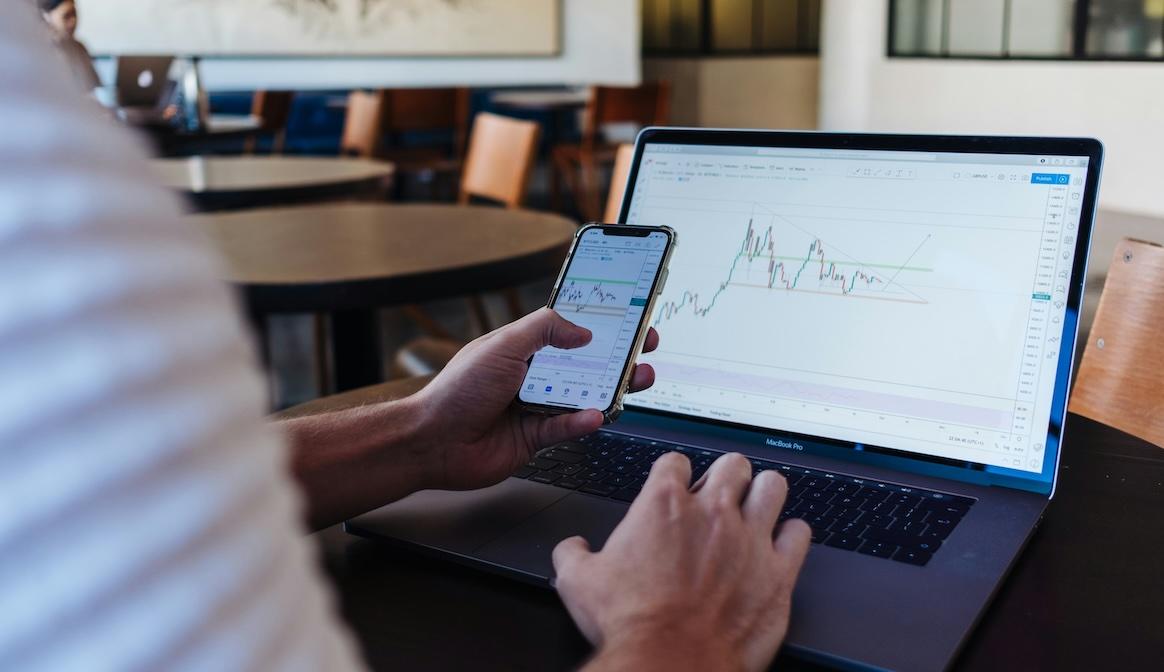
Professional traders solved this problem years ago by moving their automated systems to dedicated infrastructure. A forex VPS keeps trading algorithms running on remote servers with redundant power, enterprise-grade internet connections, and uptime guarantees that home setups simply cannot match. The bot runs whether your personal computer is on or off, whether your home internet is functioning, whether you're awake or asleep. This is the actual foundation of hands-off trading—not the algorithm itself, but the infrastructure supporting it.
The Real Costs of "Passive" Income
Nothing about automated trading is truly passive in the way that, say, dividend stocks or rental income might be. Strategies require monitoring, optimization, and occasional intervention. Markets evolve, and what worked six months ago may underperform today. The passive element comes from removing yourself from execution, not from management entirely.
That said, the infrastructure costs for running automated strategies properly are lower than most people assume. A basic forex VPS from providers like NYCServers runs less than the monthly cost of a streaming subscription. Compare that to the potential cost of a single blown trade because your home internet hiccuped during a volatile NFP release, and the math becomes obvious quickly.
The other hidden cost is choosing the wrong platform for automation. When evaluating the best forex trading platforms, compatibility with automated trading should sit near the top of your criteria. MetaTrader 4 and MetaTrader 5 remain the dominant platforms for retail algorithmic trading specifically because of their robust EA frameworks. Some brokers restrict automated trading or impose limitations that make running bots impractical. Sorting this out before funding an account saves considerable frustration later.
What Successful Automation Actually Looks Like
The traders who make automated forex work tend to share certain characteristics. They treat their trading bot like a business asset, not a lottery ticket. They test strategies extensively in demo environments before risking real capital. They understand that automation amplifies both good and bad strategies equally—if the underlying logic is flawed, the bot will lose money faster than a human ever could.
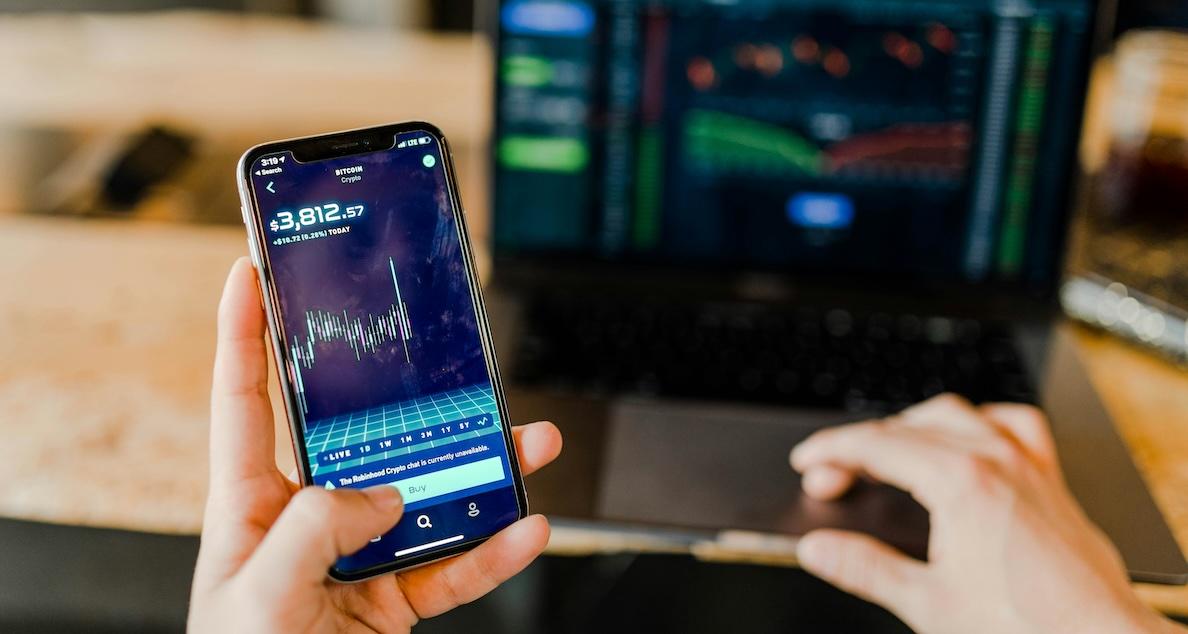
They also obsess over execution quality in ways that manual traders rarely consider. Latency—the delay between your system deciding to trade and the order actually reaching your broker—matters enormously for certain strategies. Scalping algorithms that target small, frequent gains can see their entire edge evaporate if execution lags by even a few hundred milliseconds. This is why serious automated traders position their systems geographically close to their broker's servers, often in the same data center. A VPS located in New York makes sense if your broker routes orders through Equinix NY4. London-based infrastructure suits brokers with European execution servers.
Setting Realistic Expectations
Automated trading can absolutely contribute to an income stream, but the path there looks nothing like the marketing materials suggest. Expect to spend months learning your platform, testing strategies, and understanding market behavior before a single live trade makes sense. Expect your first few strategies to underperform or fail entirely. Expect to iterate constantly.
The upside is that once you build a working system on proper infrastructure, the scalability is remarkable. Adding a second strategy or a third currency pair doesn't require twice the effort. The VPS runs them all simultaneously. Your involvement remains roughly constant whether you're running one EA or five. This is where the passive income dream starts to materialize—not from day one, but after the foundational work is complete.
For anyone serious about exploring automated forex trading, the sequence matters. Learn the market mechanics first. Study platform-specific automation tools. Paper trade strategies until you understand their behavior across different market conditions. Only then should you consider live capital, and only with infrastructure that won't undermine your work at critical moments.
The Bottom Line on Trading Bots and Passive Income
Automated forex trading occupies a strange space in the passive income conversation. It demands significant upfront investment in education and setup, ongoing attention to strategy performance, and proper infrastructure to function reliably. But for traders willing to put in that work, it offers something genuinely unusual: the ability to participate in markets around the clock without physically being present.
The technology has matured to the point where retail traders can access the same infrastructure advantages that institutions have used for decades. Whether that translates into sustainable income depends entirely on strategy quality, risk management, and realistic expectations about what automation can and cannot do. The bots are tools. The edge, if it exists, comes from the trader who deploys them thoughtfully.