
Chicago's Freight Economy and Truck Accident Liability: The Legal and Financial Stakes
Effective damages presentation in a serious Illinois truck accident case requires the right team of expert witnesses.

May 14 2026, Published 4:51 p.m. ET

Chicago is the freight capital of North America. The city's position at the intersection of the continent's major rail lines, its proximity to the Great Lakes shipping system, its role as a hub for air cargo, and the dense network of interstates that converge on the metropolitan area make Chicago the single most important logistics node in the United States. Hundreds of thousands of commercial trucks move through the Chicago metro area every day, carrying goods that range from consumer products to industrial equipment to agricultural commodities. That volume of freight traffic creates enormous economic value - and a correspondingly significant risk of serious truck accidents on the region's roads and highways.
The Scale of Chicago's Freight Infrastructure
The numbers associated with Chicago's freight economy are staggering. The Chicago metropolitan area handles more freight by rail than any other city in North America, with major intermodal facilities in suburban locations processing millions of containers annually. O'Hare International Airport is consistently among the nation's top cargo airports. Interstate 55, I-80, I-90, and the I-290 expressway carry heavy truck traffic that feeds the city's distribution centers, manufacturing facilities, and port operations. The construction of new warehousing and logistics facilities across the collar counties has further intensified truck traffic on arterial roads that were not designed for this volume of commercial vehicles.
The economic interdependence between Chicago's freight infrastructure and the broader regional economy is significant. Disruptions to freight movement — whether from weather events, infrastructure failures, or accidents that close key road segments — ripple outward through supply chains in ways that affect businesses and consumers well beyond the immediate accident scene. This economic centrality of freight movement creates pressure to keep trucks moving efficiently, a pressure that can translate into drivers being pushed beyond safe operating limits by carriers prioritizing throughput over safety.
Federal Regulations and Carrier Liability in Illinois Truck Cases
Commercial trucking in Illinois is governed by the Federal Motor Carrier Safety Administration's comprehensive regulatory framework, covering driver qualification standards, hours of service limits, vehicle maintenance requirements, cargo securement rules, and the use of electronic logging devices. When a truck accident occurs in the Chicago area, one of the first investigative priorities is determining whether the carrier and driver were in compliance with these federal regulations at the time of the crash. A Truck accident lawyer in Chicago understands how to rapidly secure the electronic logging data, maintenance records, driver qualification files, and dispatch communications that bear on regulatory compliance - evidence that has a limited preservation window and must be protected through legal holds before it is overwritten or destroyed.
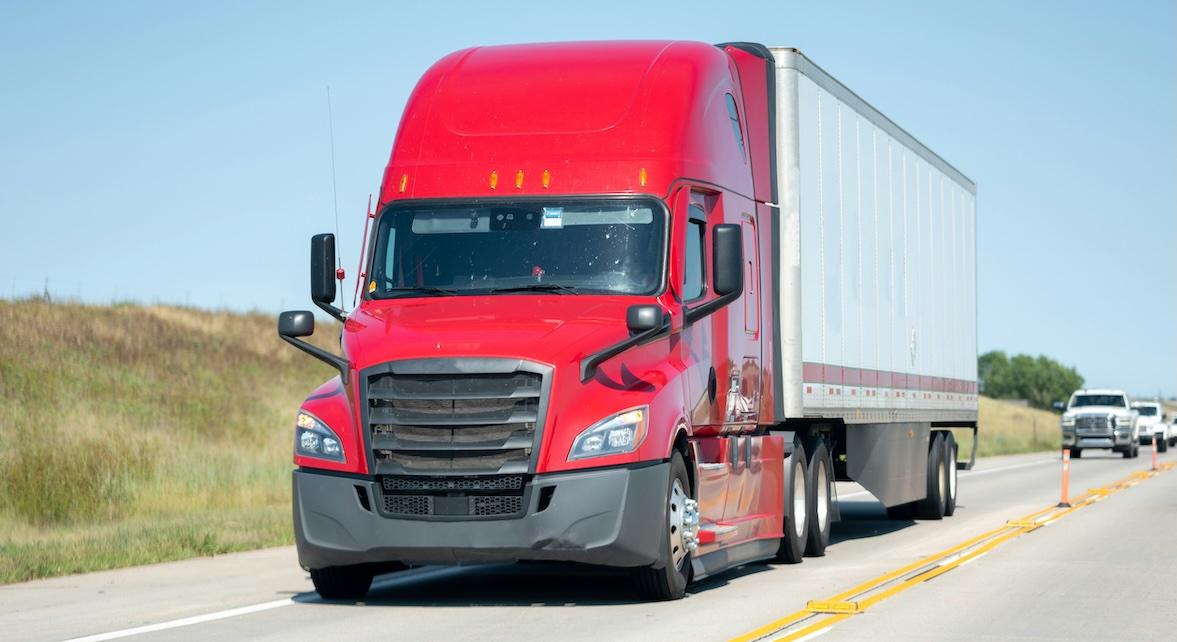
Hours of service violations are among the most significant regulatory issues in truck accident cases. Federal rules limit how many hours a commercial driver can operate consecutively, how many hours can be driven in a day, and how many hours can be logged in a week. Electronic logging devices now record this data with precision, creating a tamper-resistant record of driver activity that can be used to establish fatigue-related negligence when violations precede an accident. In Chicago's 24-hour freight environment, where pressure to meet delivery windows can push drivers and carriers toward the edge of regulatory compliance, hours of service issues arise with troubling frequency.
The Complexity of Liability in Chicago Truck Cases
Truck accident cases involve a broader and more complex liability picture than ordinary car accident claims. Depending on the circumstances, potential defendants may include the truck driver, the motor carrier that employed or contracted with the driver, the company that owns the trailer, the shipper that loaded the cargo, the broker that arranged the shipment, the maintenance contractor responsible for the vehicle's mechanical condition, and the manufacturer of any defective component that contributed to the accident. Identifying all of these parties and assessing each one's potential exposure requires systematic investigation and legal analysis that goes well beyond what is needed for a standard vehicle collision claim.
Illinois follows a modified comparative fault rule with a 50 percent bar, meaning that an injured plaintiff can recover as long as their own fault does not reach 50 percent. In truck accident cases, where the defendant's resources are substantial and the legal teams experienced, establishing the full picture of the carrier's negligence and limiting any attribution of fault to the injured party are both critical priorities. The gap between a well-prepared truck accident claim and an inadequately developed one can be measured in hundreds of thousands of dollars.
Damages in Illinois Truck Accident Cases
The severity of injuries in truck accidents reflects the physics of collisions between vehicles that can weigh 40 tons fully loaded and the passenger cars, motorcycles, and pedestrians they strike. Traumatic brain injuries, spinal cord damage, multiple fractures, internal organ injuries, severe burns, and fatalities are among the outcomes in the most serious Chicago area truck crashes. The lifetime economic costs of catastrophic injuries — including medical care, rehabilitation, home modification, lost earning capacity, and ongoing support needs — can be enormous.
Effective damages presentation in a serious Illinois truck accident case requires the right team of expert witnesses: physicians and surgeons to establish the nature and permanence of the injury, life care planners to project the lifetime cost of ongoing care, vocational experts to establish the impact on earning capacity, and economists to calculate the present value of future losses. Building this expert foundation and presenting it compellingly - both in settlement negotiations and at trial — is the work that separates adequate legal representation from the level of advocacy that genuinely catastrophic injury cases demand.