
Morgan Stanley hails the AI revolution in the US — but there is one major problem
A new report suggests the investment led growth had made the rich richer and put pressure on workers
Feb. 24 2026, Published 8:51 a.m. ET

The artificial intelligence boom in the U.S. is underway, and while tech leaders are busy bragging about the revolution it would bring, the average American worker is as anxious as ever. According to a new report from Morgan Stanley Wealth Management, the market is in a "gen-AI-capex-powered" era, which marks a rare shift in the economy that isn't "consumer-centric" yet and is possibly going to make the situation worse for the K-shaped economy.

As per the report from the leading financial services firm, the market's AI-powered era has caused a slight shift from consumption-led growth toward an investment-led “reindustrialization renaissance,' but the catch here is that, like other technological innovations, it isn't consumer-centric yet. According to Lisa Shalett, chief investment officer for Morgan Stanley Wealth Management, the massive infrastructure build-out is to support computing needs, but the future demand may still never surpass supply.
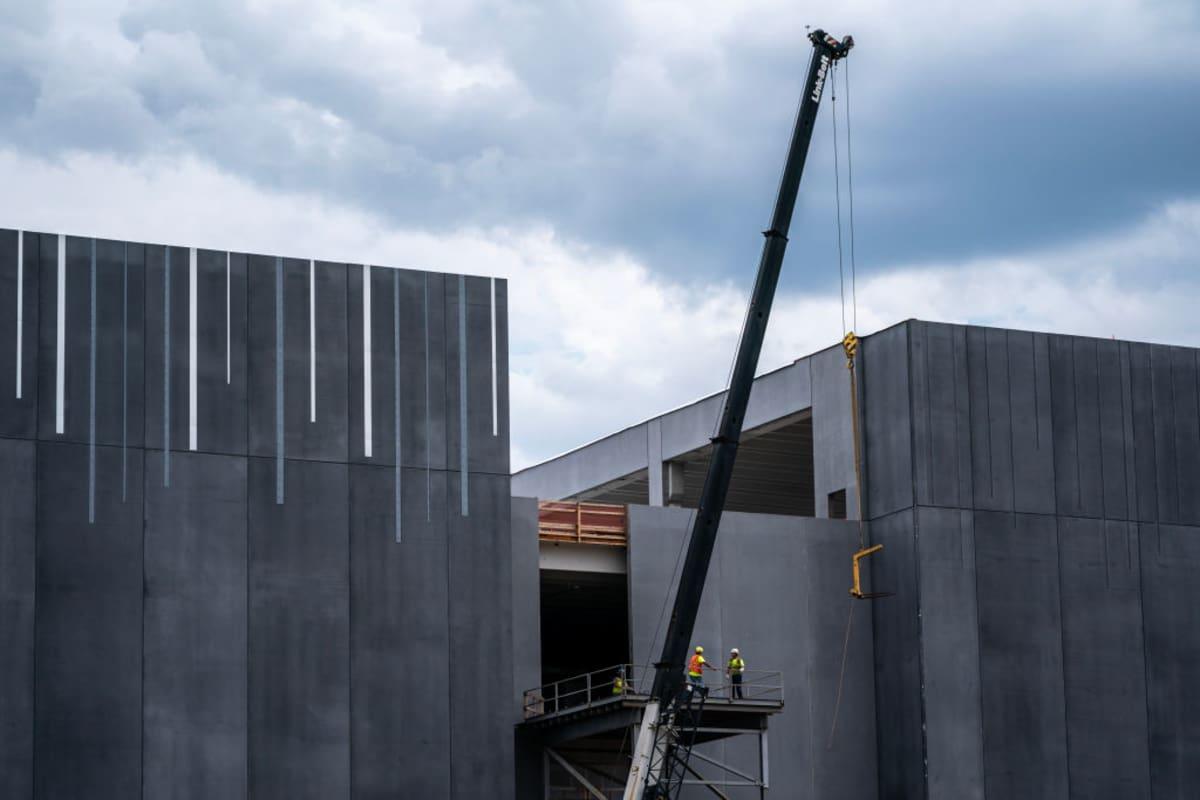
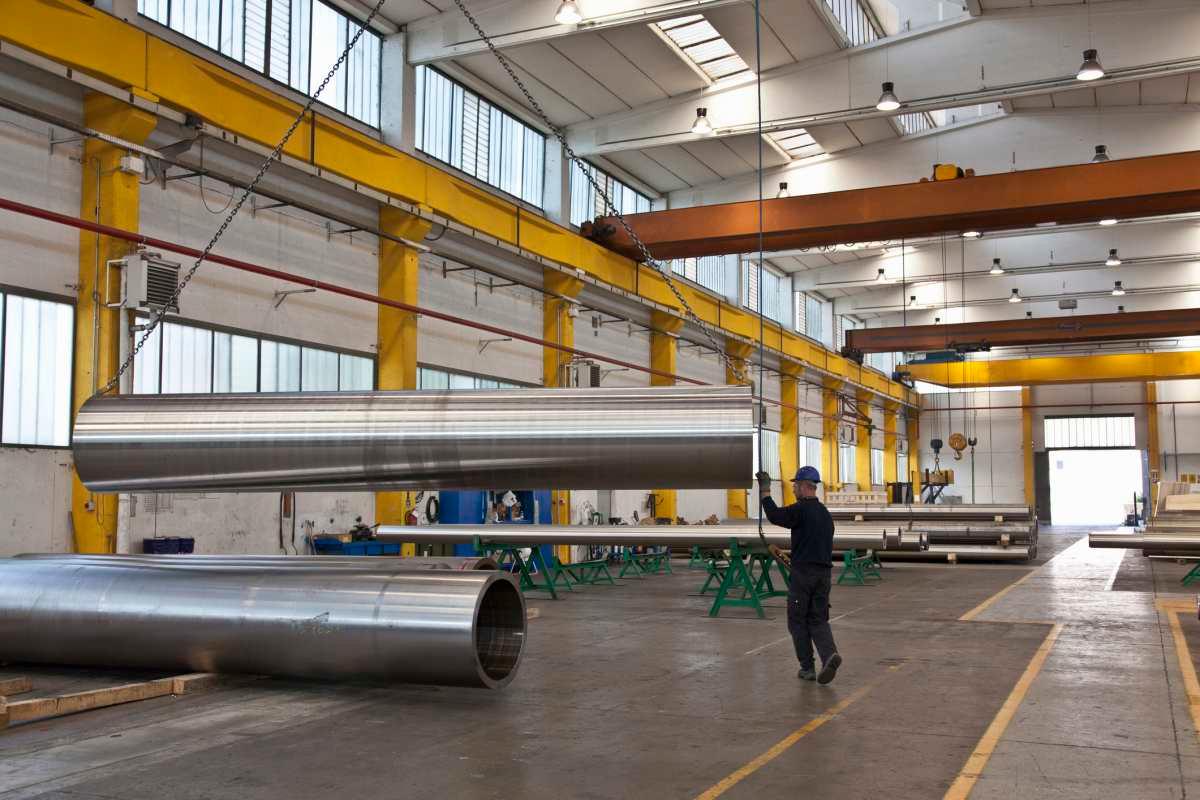
Her team noted that data-center-related investment accounted for 25% of annual GDP growth last year, and it is expanding at a much higher rate than expected GDP growth. The report added that the sheer scale of development needs trillions of dollars of investment that will trickle through physical markets and impact real estate, construction, industrial metals, power, and electricity generation. Thus, the firm argued that this could trigger a multiyear period in which “investment dominates consumption as the growth driver amid economic rebalancing.”
While the outlook for these industries is great, the outlook for humans and workers isn't that rosy. The firm also warned of "transformational risks to the labor market” that will be brought on by the gen AI diffusion, Fortune reported. The report claimed that AI capabilities are likely to expand at a great pace, potentially faster than consumers, businesses, and governments can adopt them, and they will continue to push the stock market higher. “This theme has clearly matured,” Byrd said in the report. However, this is likely to create more downward pressure on the labor market, as the consumer will be weighed down by “depressed sentiment, job anxiety, a low 3.6% savings rate, and rising indebtedness and credit delinquencies," as per the report.

The firm predicted that a blockbuster stock market would add to the stalled job market with aging demographics and slow population growth, which will ultimately leave Americans locked in the “K-shaped economic dynamics”. Similar concerns were raised by Oxford Economics CEO Innes McFee, who told Fortune that nearly all the benefits of AI spending have landed in the pockets of wealthy Americans.

In the company’s Global Economic Outlook conference in London, McFee shared that AI has delivered more than a 7% uplift in household wealth, but the lower-income and working class were deprived. "Eventually, it might bring things together, but in the meantime, through the wealth effect, through investment and all those sorts of things, it’s unlikely that AI helps at all with the K-shaped economy," the CEO told the publication. He added that the real threat will be to the low and mid-level workers who are likely to be more replaceable by "AI processes" that increase efficiency.
More on Market Realist: