
Your IRS refund might be delayed — almost 830,000 taxpayers to bear the brunt
A shift to electronic payments is slowing refunds for some filers, even as the IRS grapples with staffing cuts and a heavy tax season workload.
March 16 2026, Published 9:31 a.m. ET

Across the country, tax filers are reporting longer waits for their money as some refunds are moving more slowly than usual. The delays are emerging at a time when the Internal Revenue Service is navigating staffing reductions, tighter funding, and a policy shift that is reshaping how refunds are paid out. According to a letter sent by two Democratic lawmakers, more than 830,000 taxpayers have already received IRS notices warning that their refunds could be delayed.
The notices are tied to the agency’s effort to move away from paper refund checks and toward electronic payments. Representatives Danny Davis of Illinois and Terri Sewell of Alabama, both senior members of the House tax-writing committee, said in a March letter that taxpayers who request a paper check could end up waiting more than 10 weeks to receive their refund.
The epicenter of the issue is a notice known as CP53E. The IRS sends it to taxpayers who did not include direct deposit information on their returns. The notice asks them to log into their IRS online account and add banking details so the refund can be issued electronically. Filers have 30 days to update the information, according to the agency. If they do not respond, the IRS will eventually send a paper check, but only after an additional waiting period that can stretch to six weeks.
The IRS began preparing for the shift last year, warning taxpayers that paper refund checks would gradually be phased out. Most Americans already receive their refunds through direct deposit, according to the National Taxpayer Advocate. Still, that leaves millions who rely on paper checks. Roughly 10 million taxpayers received refunds by mail, the advocate’s office noted. And for some households, switching to electronic payments is not always simple.
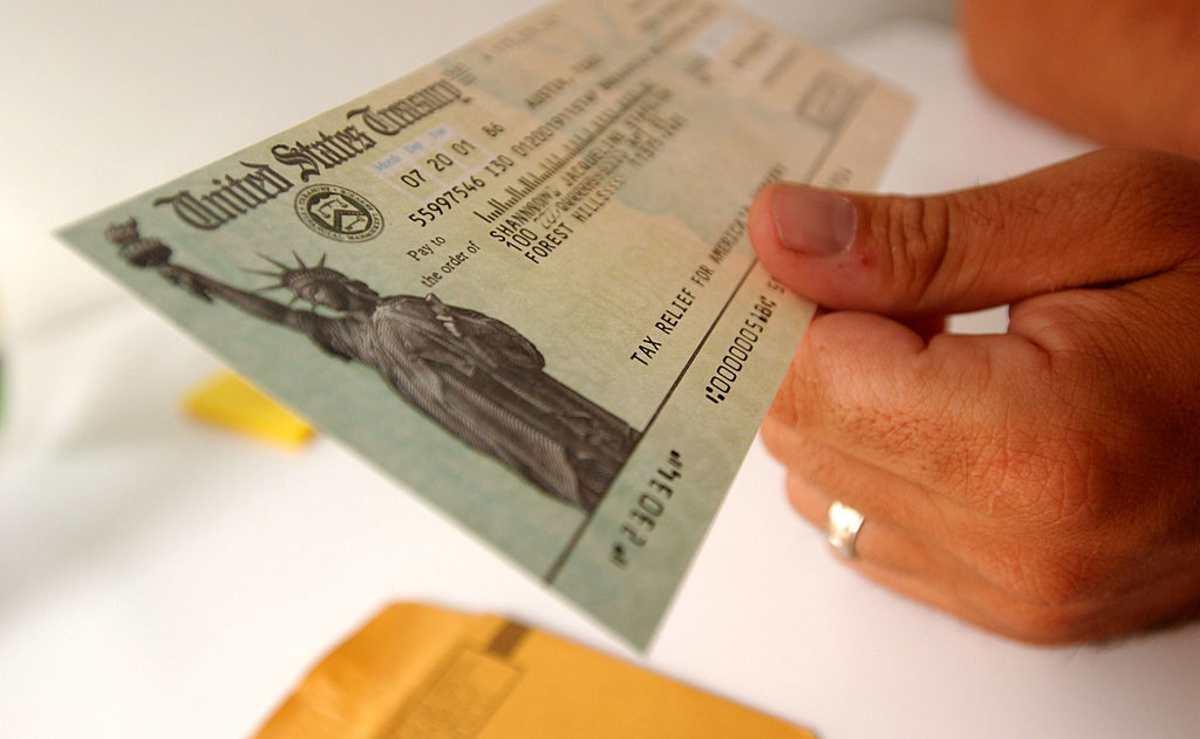
Erin Collins, the National Taxpayer Advocate, has noted that certain groups depend on paper checks for practical reasons. These include unbanked households, Americans living overseas, people with religious restrictions on banking, victims of domestic abuse who want to keep finances private, and individuals with disabilities who face barriers to digital banking systems.
In recent years, the IRS has faced waves of budget cuts and staffing reductions, raising concerns about how quickly the agency can process returns during peak filing months. That pressure is part of why lawmakers are pressing Treasury officials for answers. In their letter, Davis and Sewell asked whether taxpayers waiting on delayed refunds will receive interest payments if processing stretches beyond the normal window.
Under IRS rules, the agency generally has 45 days after the April 15 filing deadline to issue refunds before interest begins to accrue. Thomson Reuters reported that some tax experts warn that if paper check refunds routinely take more than two months, the government could end up paying substantial interest to taxpayers whose refunds were held up by the new process. As the tax filing season is underway, conversations have gained traction on Reddit where users are split into two factions: those welcoming direct deposits and those who believe digital payouts aren't everyone's cup of tea.
More on Market Realist: