
Where to Sell Your Business in 2027: Why Listings Are No Longer Enough
Marketplaces have changed how people buy and sell everything from dinner to secondhand furniture.
Nov. 11 2026, Published 4:35 p.m. ET

Marketplaces have changed how people buy and sell everything from dinner to secondhand furniture. DoorDash connects customers with restaurants and handles delivery. Facebook Marketplace brings local buyers and sellers together. Both have grown beyond simply showing what’s available to helping complete the transaction.
The business-for-sale market has been slower to evolve. Online marketplaces have traditionally focused on helping owners advertise their companies and connect with prospective buyers. Now, some are expanding into valuations, financial preparation, buyer screening, and transaction support, addressing the work that begins after a buyer expresses interest.
The Early Days of Online Marketplaces
Some of the best-known platforms date back to the early days of the commercial internet. BizQuest launched in 1994, followed by BizBuySell and BusinessesForSale.com in 1996. Their original premise was straightforward: bring business-for-sale classifieds online and help owners and brokers reach buyers beyond their local markets.
Today, all three are built around exposure. Owners and brokers can pay for more visibility, and buyers can search listings by industry, location, and price. Pricing the business, preparing financials, screening inquiries, and managing negotiations and due diligence are still largely up to the seller.
The Shift toward Full-Service Selling Platforms
As the business-for-sale market evolves, newer platforms are taking on a bigger role. Beyond exposure, owners need help establishing value, preparing financials, evaluating offers, and navigating due diligence.
Financing is one area where the process is becoming more complicated. Small Business Administration (SBA) loans remain a major source of capital for small business acquisitions, but recent changes to the program’s underwriting requirements have made financial preparation even more consequential.
SBA lenders look closely at a business’s financial performance before approving a loan. That puts more weight on the work sellers do before going to market: organizing financial records, documenting add-backs, and making sure reported earnings hold up to scrutiny. Platforms that help owners prepare those materials can make the financing process easier to navigate once a buyer comes along.
A Wider Range of Buyers
The buyer landscape is changing, too. Private equity (PE) firms and independent sponsors are increasingly active in smaller transactions, alongside individual entrepreneurs, search funds, and existing business owners looking to expand.
These buyers don’t all approach an acquisition the same way. They have different investment criteria, financing sources, diligence processes, and expectations for the seller. According to Baton’s Small Business Buyer Intelligence Report: Q1 2026, investor equity from PE firms and search funds is now the single largest financing source on the platform, backing 27.5 percent of deals.
For owners, finding a buyer is only the start. They also need to know who’s serious and who can finance the deal.
“Every seller has a different idea of a good outcome,” said Chat Joglekar, co-founder and CEO of Baton. “For one owner, it’s protecting the people who built the business. For another, it’s staying on part-time after the sale. Our job is to find buyers who fit that picture.”
How to Choose the Best Option
A platform’s value increasingly comes down to more than how many people can see a listing. Sellers should consider whether it can help them:
Reach the right buyers: Put the business in front of people whose acquisition criteria, experience, and financing capacity align with the opportunity. The same Baton report found that 59 percent of buyers on the platform are open to purchasing a business in another state, so a search limited to local networks can miss most of the market.
Separate serious interest from casual inquiries: Screen prospective buyers so owners aren’t spending their limited time on conversations unlikely to lead anywhere. Rejigg, for example, vets buyers based on their acquisition experience, financing plans, and fit with the business.
Prepare for scrutiny: Buyers and lenders need financial information they can trust. SMB.co connects sellers with financial and legal experts to help prepare for a sale, while Baton offers hands-on financial reconciliation, including reviewing add-backs and normalizing earnings so buyers can better assess the business’s performance.
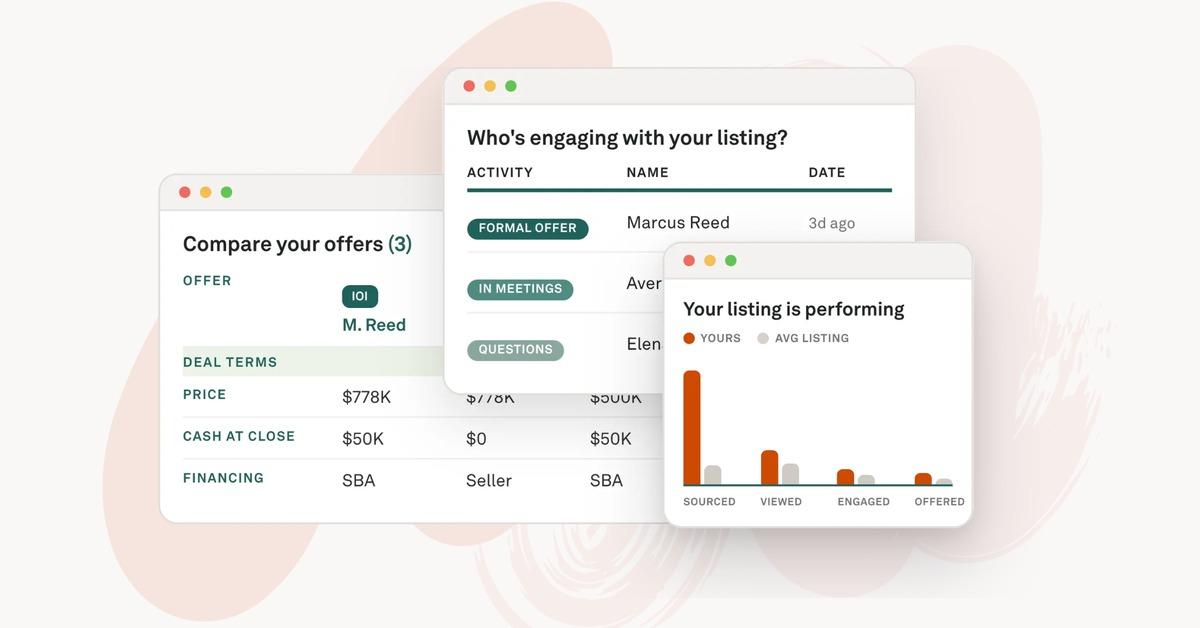
Stay informed: Track buyer engagement, understand where negotiations stand, and know what needs attention next. Dealonomy, Baton, and Axial all pair sellers with advisors who guide them through offers and the transaction process.
Control the cost of selling: Compare listing fees, commissions, success fees, and advisory costs against the services included. Baton charges a 6 percent success fee, compared with the 10–15 percent commissions commonly charged by traditional business brokers.
Where Should Owners List Their Businesses in 2027?
For most owners in 2027, the best place to sell your small business does more than post a listing. Broad marketplaces still deliver exposure, but the strongest platforms can also verify the company’s financials, connect it with buyers who fit, and support the deal through closing. Owners who compare platforms on those terms, along with what each one costs, are more likely to find a buyer who values the business the way they do.