
Social Security Is Running Out of Money— Here’s What That Means for You
Social Security is running out of money because the benefits being paid exceed the incoming revenue from payroll taxes.

June 12 2026, Updated 1:12 p.m. ET

The trust fund the Social Security Administration relies on to supply benefits for recipients is projected to run out of money in 2032, according to a new report from the agency, per CNBC.
The fund, officially known as the OASI, or Old-Age and Survivors Insurance, is expected to be depleted by that time unless Congress takes action.
The question on everyone’s mind now is, why is Social Security running out of money, and what happens when it does? Here’s what we know.
Why is Social Security running out of money?
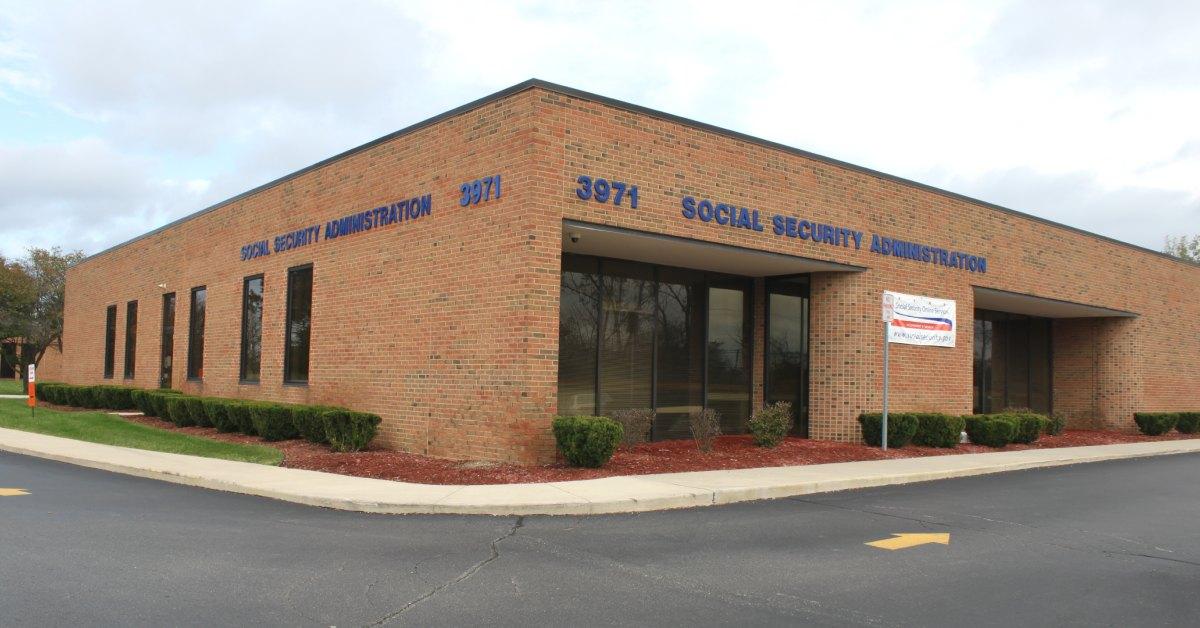
Social Security is running out of money because the benefits being paid exceed the incoming revenue from payroll taxes. While Social Security benefits are funded through these taxes, when the amount being paid out goes beyond what is collected, the OASI trust fund is used to cover the difference.
So it seems that the benefits being paid are exceeding what is being taken in through payroll tax revenue, causing the trust fund to be used up.
And based on the rate they are being used, it appears the Social Security Administration has estimated that by 2032 the funds will be gone unless something is done. So then the next question is: what happens if Congress doesn’t act and there’s no more money in the fund?
What happens if Social Security runs out of money?
If the Social Security trust fund runs out, benefits will likely be reduced. But Social Security in its entirety won’t just disappear. Since the Social Security benefit program is funded by payroll tax revenue, money will continue to come in and be paid out to beneficiaries. But without the fund to make up the difference, people will likely start to see their benefits drop. So Social Security will still be paid out to those entitled to receive it, but they would just receive less each month.
CNBC reported that based on the Social Security report, if the funds are depleted by the projected 2032 timeline, the agency will only be able to pay 78 percent of retirement benefits. The news outlet also notes, based on research from the Committee for a Responsible Federal Budget, that the average monthly benefits could reduce by around $500, though nearly 30 states would see cuts even higher than that.
CNBC does note that if the OASI fund was combined with the disability insurance trust fund, it would allow Social Security benefits to be paid in full until the third quarter of 2034. But “That solution is merely a Band-Aid,” Shai Akabas, vice president of economic policy at the Bipartisan Policy Center, told CNBC. They added that “It’ll delay the point at which Congress would have to tackle the broader problem.”
Essentially, Social Security isn’t going anywhere as long as payroll tax revenue is paid, but benefits could be reduced once the OASI fund is depleted unless Congress forms a plan that would allow for full benefits to be paid, with raising payroll taxes as one reported solution.