
Here's How Blockchain Technology Is Improving Modern Cybersecurity
Blockchain's role in cybersecurity continues to expand as organizations seek reliable ways to secure data, verify identities, and monitor system activity.

Dec. 26 2025, Published 7:00 p.m. ET

Blockchain keeps drifting into cybersecurity as a workable helper since it holds unmoving data, sturdier authentication, and shared protection. As organizations face growing digital threats, interest in this technology is rising, thanks to trends such as following the current Bitcoin price. Fred Ehrsam, co-founder of Ethereum, captures this long-term promise by saying, “while it may seem scarier in the early days, I think ultimately the blockchain creates a safer world.”
Decentralized Security for Essential Infrastructure
Cyberattacks on centralized systems often succeed because a single compromised server or database can disrupt an entire organization. Blockchain scatters data around a wandering network of nodes and each node cradles a synchronized version of ledger. This reduces the likelihood that attackers can alter information or disable services.
Healthcare, finance, and energy industries depend on secure, reliable data. A distributed ledger helps them maintain operations when systems experience attempted intrusions or technical failures. Some energy utilities have begun exploring blockchain-based systems to record grid activity. These ledgers allow them to verify usage data, detect tampering attempts, and maintain transparency across regional operations.

Hospital networks that handle medical device logs are another example of an industry that benefits from advanced security protocols. Blockchain ledgers are able to record software updates and performance events for permanent records. This allows administrators to verify updates and identify anomalies without the need of relying on a single central server when devices operate across multiple facilities.
Immutable Logs and Attack Forensics
Advanced tools from attackers make cybercrime more difficult to track as they are able to erase their traces. Blockchain provides a tamper-proof ledger that records every action. Once information enters the chain, it becomes part of an unalterable history. This supports investigations and strengthens organizational readiness.
Businesses are now using blockchain-based monitoring platforms to confirm system changes and record attempts at access. This helps teams to verify whether configuration updates occurred as expected and detect unauthorized activity early in the attack cycle. Some financial institutions use blockchain logging to securely store transaction histories. These logs help fraud investigators by providing reliable evidence that cannot be altered or deleted.
This can be seen in software development environments. When developers push code to production, a blockchain ledger can capture file signatures and version histories. If attackers modify a component, the change to file signatures no longer matches the original signature. Teams are alerted to the problem and help organizations respond to supply chain attacks.
Multi-Factor Identity Verification
Passwords are one of the biggest weaknesses when it comes to security. Blockchain supports decentralized identity systems that rely on cryptographic keys rather than stored credentials. Users control their identity data and authenticate using private keys associated with their digital identities. The structure reduces the amount of sensitive information stored on corporate servers.
When combined with biometric data or mobile tokens, blockchain-based identity systems can strengthen multi-factor verification. This combination helps organizations mitigate phishing attempts, credential stuffing, and malicious insider activity. Cybersecurity teams gain more confidence in authentication events because they rely on secure cryptographic proofs rather than vulnerable, repeatedly used passwords.
Several companies have begun integrating blockchain identity solutions into remote work platforms. These systems validate user access across networks without exposing identity data to third parties. Employees log in with secure digital wallets or tokens. Administrators get a hint that identity is real without poking into private info. This lets organizations back flexible work setups while keeping protection standards steady throughout.
Business Adoption and Market Confidence
Blockchain technology continues to be a valuable asset in cybersecurity. Organizations see blockchain as a solid base for long-term digital growth. The rate of adoption often mirrors public trust in the wider cryptocurrency ecosystem. Market sentiment shifts as Bitcoin's price rises or stabilizes, and those periods usually lead to increased exploration of blockchain tools across industries.
Cybersecurity teams view blockchain not just as a financial tool but also as a way to improve digital infrastructure. They often run pilot programs to test ledgers for identity management, smart contract security, and access logs. These early trials help organizations understand the operational needs of a blockchain system and evaluate its strength.
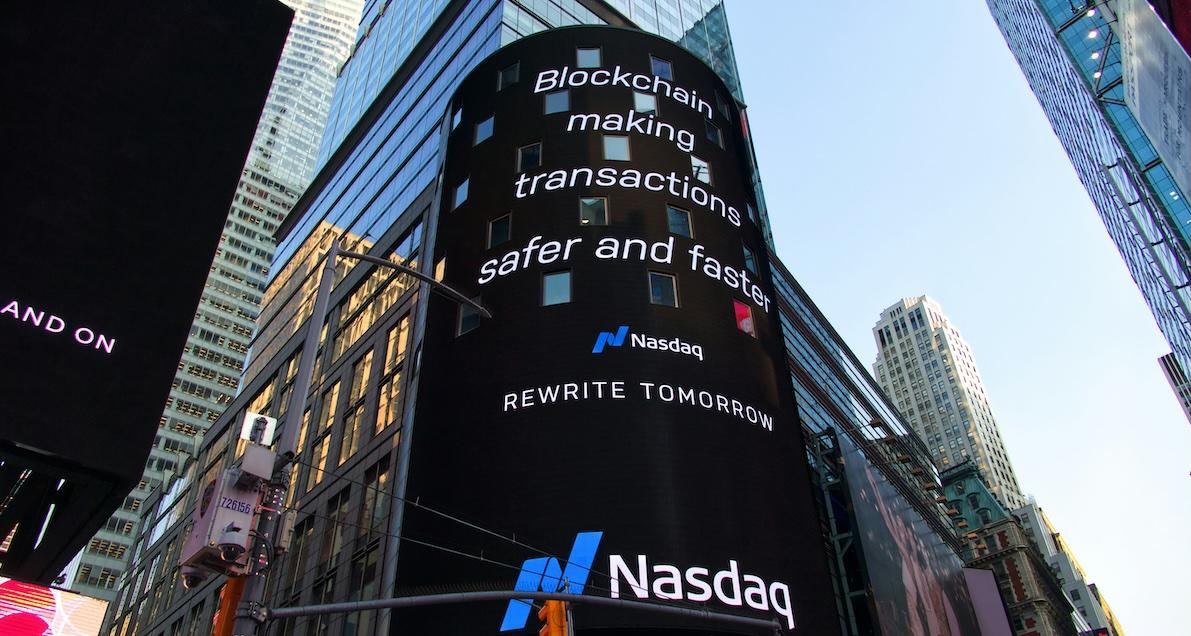
Companies in finance, logistics, and cloud computing are experimenting with permissioned blockchain networks tailored to enterprise needs. These networks offer more control over access rules while maintaining the fundamental benefits of decentralized architecture. Their success has encouraged executives to consider how blockchain might reinforce existing security frameworks.
Strengthening the Digital Future Through Blockchain
Blockchain's role in cybersecurity continues to expand as organizations seek reliable ways to secure data, verify identities, and monitor system activity. Its distributed structure, immutable ledgers, and cryptographic protection support the growing need for transparency and stability.
As adoption increases, blockchain may become an essential part of how companies protect their digital ecosystems and prepare for emerging threats across an increasingly complex technological landscape.